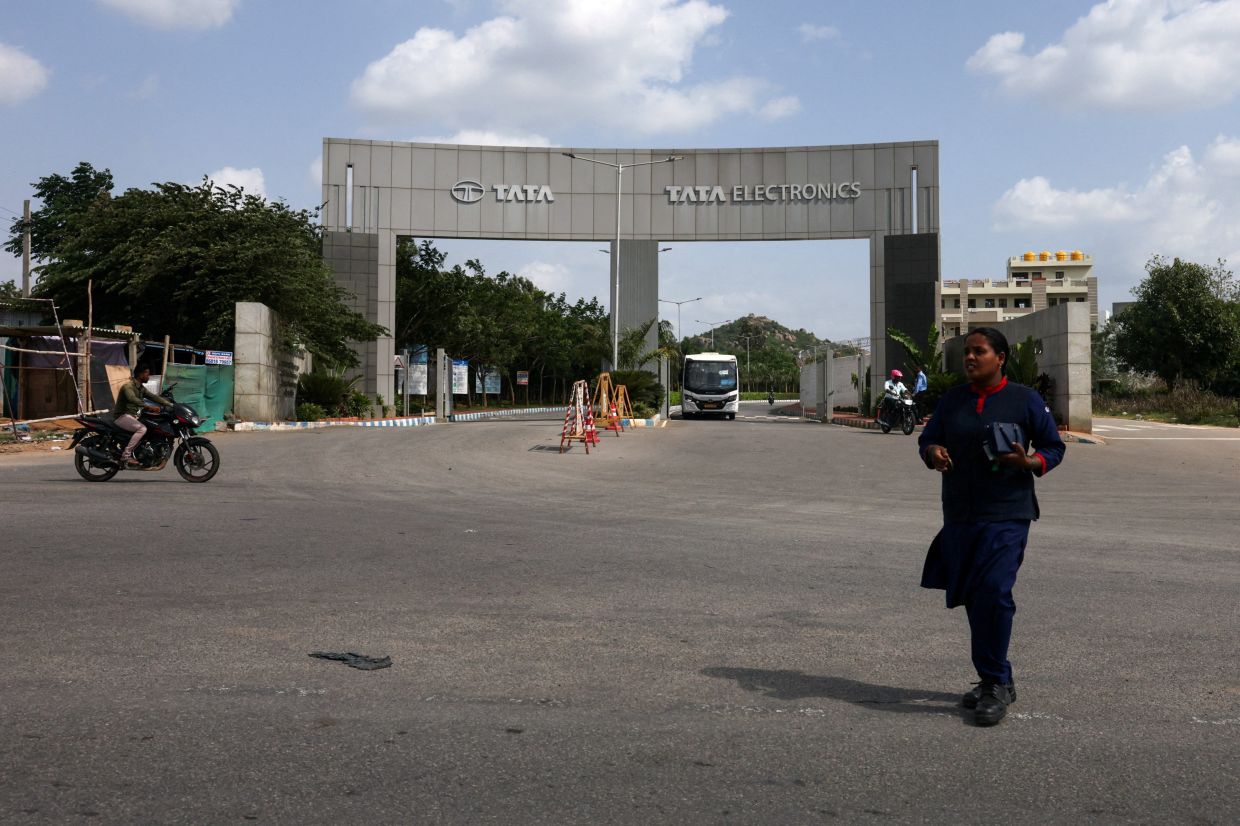
Tata Electronics acknowledged on Monday a significant cybersecurity breach after security researchers discovered that World Leaks, a ransomware group, had published hundreds of thousands of confidential files allegedly belonging to two of the company's major clients: Apple and Tesla. The disclosure marks a troubling moment for India's ambitions to become a global electronics manufacturing centre, particularly as the country seeks to reduce dependence on Chinese production capacity.
The Indian conglomerate confirmed detection of the incident several weeks prior and stated that containment measures had been implemented swiftly, with no operational disruption reported across its business divisions. However, the sheer volume of stolen material—exceeding 200,000 files totalling more than 630 gigabytes—suggests the breach was extensive and potentially far-reaching in scope. The data was posted to the dark web, making it accessible beyond conventional internet search engines and law enforcement monitoring.
Apple initiated an investigation into the breach and was conducting a comprehensive analysis of the incident when contacted by Reuters. The company additionally received a ransom demand connected to the theft, though neither Apple nor Tata Electronics would provide details on the amount or timeline. Apple declined to comment further, while Tata refrained from confirming specific aspects of the extortion attempt. The lack of transparency reflects standard corporate practice during active security investigations, but it also underscores the sensitivity surrounding industrial espionage in the technology sector.
Second-order consequences of this breach extend beyond immediate operational concerns. Tata is under separate scrutiny regarding environmental contamination allegations near its iPhone manufacturing facility in Hosur, Tamil Nadu, compounding regulatory pressure on the group. The timing of the cybersecurity incident therefore threatens to further erode confidence in Tata's ability to safeguard sensitive operations—a critical liability when competing for expanded supply-chain responsibilities from global technology firms.
Tata's significance within Apple's manufacturing ecosystem cannot be overstated. The company now accounts for approximately one-third of Apple's iPhone production in India, with only Foxconn representing comparable production capacity. This concentration reflects a deliberate strategy by Apple to diversify away from China-centric manufacturing, a process that Prime Minister Narendra Modi has championed as central to India's economic transformation. Any major disruption to Tata's operations or reputation therefore carries implications far beyond a single company, potentially affecting New Delhi's broader industrial policy objectives.
The authenticated data revealed concerning specifics about the scope of the theft. Search queries within the World Leaks database returned 181 files and folders associated with Apple, including what appeared to be a 52-page quality inspection standard document marked with Apple's proprietary notices. Similarly, searches for Tesla-related materials yielded manufacturing specifications and assembly documentation, notably including references to project Highland—an internally codnamed initiative to redesign Tesla's Model 3 sedan. One file referenced the NV36 Chargeport Controller for the Model Y's North American variant, indicating detailed knowledge of Tesla's product roadmap.
The digital footprints embedded within the stolen files provided additional confirmation of authenticity. Documents bore explicit markings declaring their status as confidential and proprietary to Apple and Tesla respectively, language typically found in internal corporate repositories rather than public-facing communications. Cybersecurity researcher Rajshekhar Rajaharia, who examined samples of the breach for Reuters, noted that the files extended beyond design specifications to include internal emails, event logs spanning multiple years, and passport copies of employees—both Indian nationals and foreign expatriates. Such diverse data categories suggest the attackers achieved deep access across multiple Tata systems.
World Leaks has demonstrated a pattern of high-profile breaches targeting major corporations. The group previously claimed responsibility for a breach affecting Nike, establishing a track record in industrial espionage operations. The choice to target Tata—a supplier to two of the world's most valuable technology companies—reflects the ransomware ecosystem's strategic calculation that such firms can afford substantial ransom payments while facing intense pressure to contain reputational damage.
Tata's vulnerability to cybersecurity threats is not unprecedented. The conglomerate's British subsidiary, Jaguar Land Rover, fell victim to a significant cyberattack the previous year that halted production for six weeks, demonstrating recurring weaknesses in the group's digital infrastructure. That incident alone raised questions about Tata's capacity to manage complex security protocols across geographically dispersed operations. The Tata Electronics breach suggests those questions remain unresolved.
The incident also reflects broader vulnerabilities within India's technology supply chain. As multinational manufacturers expand operations in India to escape tariff pressures and geopolitical tensions in China, they simultaneously expose themselves to regional cybersecurity risks. Indian institutional resources for managing industrial-scale breaches remain limited, with the Indian Computer Emergency Response Team—the government body responsible for coordinating response to major cyber incidents—providing minimal public information about investigation status or remediation efforts.
For Malaysian stakeholders monitoring regional supply-chain dynamics, this breach carries instructive lessons about the costs of manufacturing concentration and the persistent risks inherent in emerging manufacturing hubs. Malaysia, like India, has positioned itself as an alternative to Chinese production, and the Tata incident underscores the critical importance of investing in cyber resilience infrastructure before such catastrophes occur. Companies considering regional manufacturing expansion must now factor heightened cybersecurity risks into location decisions.
Tata's immediate priority involves rebuilding trust with Apple and Tesla while preventing further data exfiltration. The company informed employees at its iPhone assembly operations of the breach the week prior to public disclosure, suggesting internal communications were managed proactively. However, the trajectory of the investigation remains uncertain, and the potential for additional revelations about the breach's full scope could emerge as forensic analysis progresses. The incident will likely accelerate Apple's evaluation of alternative suppliers and potentially reshape calculations regarding India's viability as a long-term manufacturing anchor.