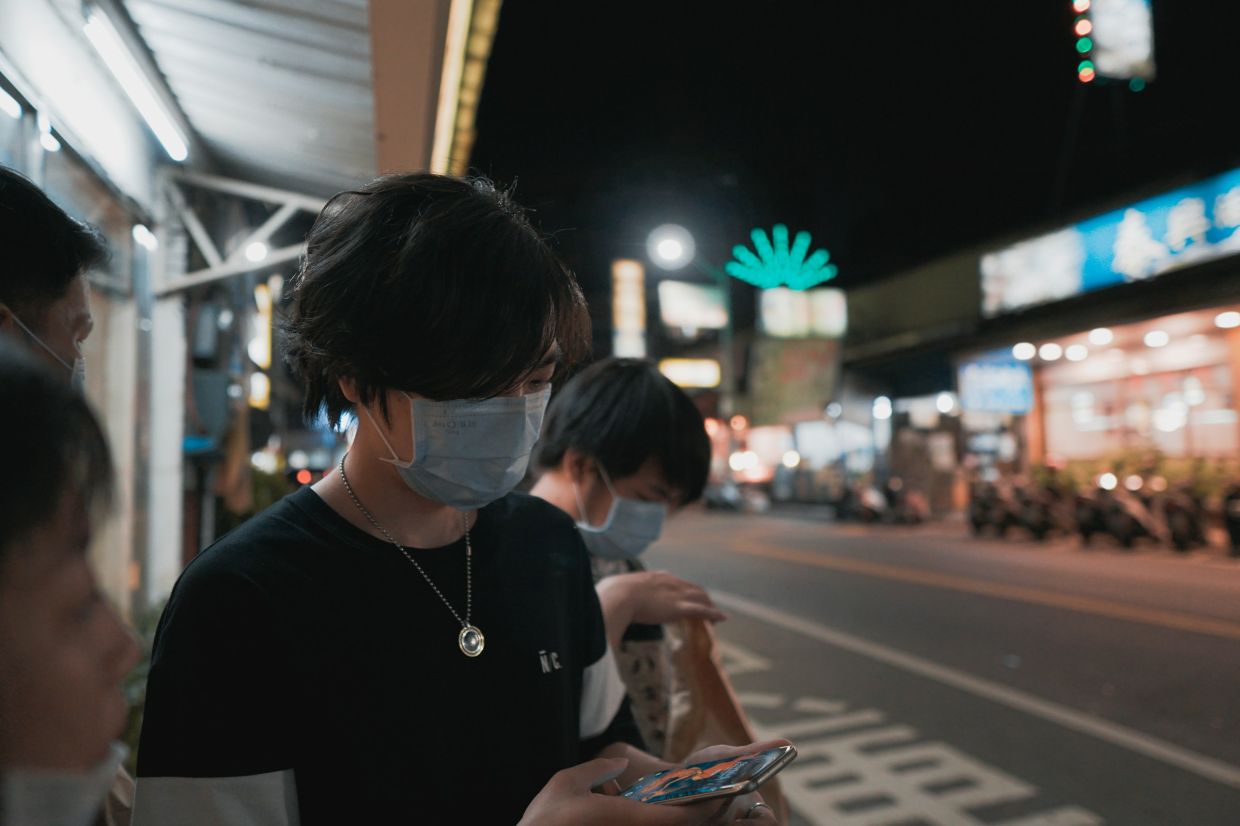
Taiwan is preparing for an unprecedented test of its infrastructure and public resilience by deliberately degrading mobile internet services across key population centres, representing a significant escalation in how the self-governing island approaches civil defence planning. National security officials in Taipei announced on July 20 that the exercise will unfold in two stages: August 10 in central Taiwan and August 13 in northern Taiwan, including the capital, with mobile data speeds deliberately throttled to render video streaming and similar bandwidth-intensive activities essentially impossible for thirty minutes between 2:30 pm and 3 pm local time.
This marks the first occasion Taiwan has incorporated mobile internet disruption into its annual resilience drills, reflecting mounting concerns about infrastructure vulnerability in an era of intensifying cross-strait tensions. The simulation deliberately preserves conventional communication channels—voice calls, text messaging, and fixed-line broadband all remain operational—allowing researchers and emergency planners to observe how effectively citizens can adapt to partial rather than total connectivity loss. The exercise recognises that in modern conflict or major natural disasters, data networks often fail while legacy telephone infrastructure may persist, creating asymmetrical communication challenges that populations must learn to navigate.
The primary pedagogical objective extends beyond mere simulation; officials aim to condition the public to identify and utilise alternative communication methods when conventional digital channels deteriorate. Crucially, the drills emphasise household-level contingency planning, encouraging families to establish predetermined contact protocols and to familiarise themselves with the locations and procedures for accessing designated shelters and emergency relief distribution points. By rendering these abstract concepts tangible through lived experience, Taiwan seeks to reduce panic and confusion that might otherwise accompany actual infrastructure failures during genuine crises.
For Malaysia and the broader Southeast Asian region, Taiwan's escalating preparedness measures carry significant implications. The island's willingness to conduct increasingly realistic and disruptive simulations signals deepening anxiety about both military confrontation and natural disaster response capacity. Taiwan's experience with integrated civil defence—combining concerns about Chinese military action with earthquake and typhoon preparedness—offers instructive lessons for other regional economies that face comparable dual-threat environments, though Malaysia's specific risk profile differs considerably from Taiwan's seismic vulnerability.
China's posture toward Taiwan has grown progressively more assertive in recent years, with Beijing conducting near-daily air and naval operations around the island while maintaining the explicit non-renunciation of military force to achieve unification. The frequency and scale of Chinese military exercises have intensified noticeably, creating sustained pressure on Taiwan's defence establishment and society. Additionally, China has announced intentions to maintain patrol operations in waters east of Taiwan following joint maritime boundary discussions between Japan and the Philippines, suggesting efforts to establish facts on the ground through persistent military presence across disputed or sensitive maritime zones.
Taiwan's dual exposure to military threat and natural hazard vulnerability distinguishes its emergency planning from many comparable democracies. The island experiences recurring earthquakes, typhoons, and other geological hazards that can individually cause massive casualties and economic disruption. The August drills accordingly address both categories of risk simultaneously, incorporating evacuation procedure refinements, expansion of medical surge capacity, and testing of emerging technologies such as drone-based supply and medical delivery systems. This integrated approach acknowledges that Taiwan may eventually face scenarios where conventional logistics networks collapse, necessitating rapid deployment of autonomous delivery systems to isolated or damaged communities.
The decision to include mobile internet throttling represents sophisticated understanding of how modern societies depend on data networks for emergency coordination and public information dissemination. When populations cannot access real-time updates regarding shelter locations, safe routes, or supply distributions, they revert to rumour and panic-driven behaviour. By familiarising citizens with communication degradation beforehand, authorities aim to preserve rational decision-making even when technological infrastructure deteriorates. The experiment also generates invaluable operational data about how emergency responders coordinate activities when data networks function at reduced capacity—knowledge directly applicable to actual contingency response.
For regional observers, Taiwan's escalating civil defence sophistication reflects broader anxieties about strategic stability in East Asia. The island's willingness to conduct increasingly realistic and disruptive simulations suggests confidence in its ability to absorb temporary service interruptions while gaining critical preparedness insights. However, the very necessity for such drills underscores the persistent strategic vulnerability that smaller regional powers face when confronted by larger neighbours with explicit military ambitions. Taiwan's approach—combining technological resilience, public education, and institutional coordination—represents one model for managing existential risks in contested strategic environments.
National security officials confirmed that future drills may expand beyond mobile data disruption to encompass outages affecting other telecommunications infrastructure categories, suggesting an evolutionary trajectory toward increasingly comprehensive and realistic exercises. This progression reflects learning from previous iterations and recognition that actual conflict or major disaster scenarios would likely involve simultaneous failures across multiple communication channels. The willingness to expand disruption scope also indicates civilian leadership confidence that periodic, controlled degradation of services generates preparedness benefits substantially outweighing the temporary inconvenience and economic costs imposed during exercises themselves.
The timing and scope of Taiwan's preparedness initiatives carry implications extending beyond the island itself. Countries throughout Southeast Asia and the broader Indo-Pacific region maintain substantial interests in Taiwan's stability and territorial integrity, whether for economic, strategic, or ideological reasons. Taiwan's demonstrated capacity to absorb infrastructure shocks while maintaining functional governance and public order contributes to broader regional confidence in the island's resilience. Conversely, any perception that Taiwan's infrastructure remains fragile or that its public lacks preparedness could invite miscalculation by actors seeking to exploit vulnerability windows for political or military advantage.

