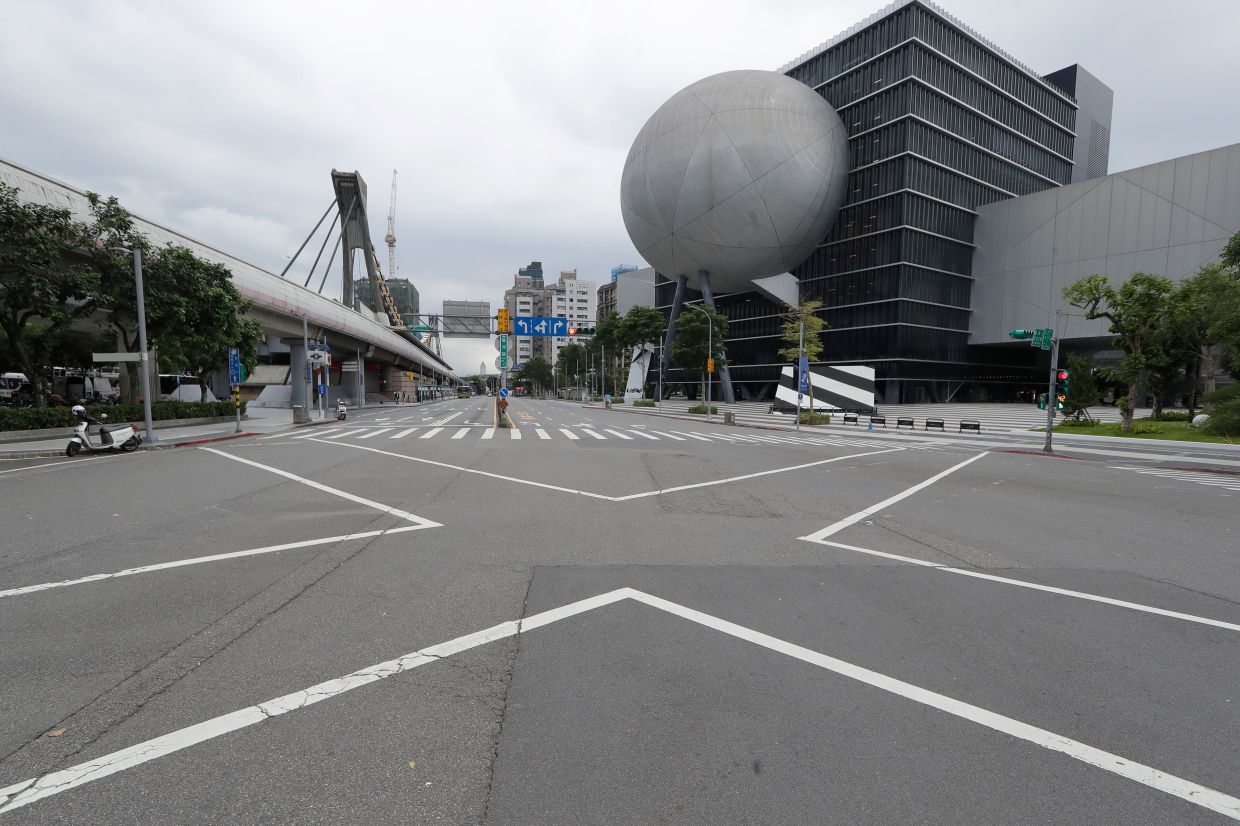
Taiwan deliberately throttled its mobile internet infrastructure to a crawl across Taipei and six other major cities on August 13, restricting data speeds to a mere 256 Kilobits per second—a measure that rendered video streaming and most web browsing impossible. The unprecedented slowdown formed the culmination of the island's Han Kuang military exercises, which had commenced the previous week with escalating intensity. Telecommunications operators across the affected regions implemented the restrictions as telecommunications infrastructure providers worked in coordination with defence authorities to simulate the disruptions that would accompany a genuine military crisis.
President Lai Ching-te acknowledged the disruption to residents and businesses dependent on mobile connectivity, publicly apologising for the inconvenience while framing the measure as an indispensable component of national readiness. His statement—"We ask for your understanding and support, as this is a necessary drill"—reflected the Taiwan government's determination to prioritise civil defence preparation over short-term public convenience. The apology itself represented a departure from past exercises, suggesting official recognition that the 2024 iteration had crossed a threshold into genuine societal disruption.
The internet throttling represented only one facet of a significantly more ambitious civil defence programme than Taiwan has previously attempted. Telecommunications authorities working alongside military planners had fundamentally redesigned the Han Kuang framework to incorporate civilian populations directly into exercises and to generate unavoidable, tangible consequences. Rather than restricting drills to specialised military units or conducting exercises that the general public could largely ignore, Taiwan's military brass had determined that meaningful readiness required wholesale participation from ordinary citizens encountering realistic wartime constraints.
In previous years, Taiwan's urban resilience drills had proceeded with minimal disruption to daily life. Air raid simulations in Taipei metro stations, for instance, had generated little observable impact on passenger movements or commuter routines. This year's revised approach fundamentally rejected that paradigm. Metro stations across participating cities locked their gates during scheduled air raid drills, trapping passengers inside for extended periods to simulate emergency sheltering conditions. The strategy deliberately prioritised authenticity over convenience, forcing residents to experience genuine inconvenience rather than participate in theatrical exercises.
Coordination with municipal governments and local authorities represented another structural innovation distinguishing the 2024 drills. Taiwan's defence establishment recognised that effective civil mobilisation required integration across governmental hierarchies—central military command could not realistically conduct large-scale exercises without municipal cooperation and local administrator buy-in. Government officials at city and district levels participated directly in planning and executing drill components within their jurisdictions, ensuring that exercises aligned with local conditions and that residents encountered messaging and coordination from trusted local figures.
The hospital component of the drills, which President Lai personally observed, demonstrated the exercises' focus on critical infrastructure resilience. Medical facilities practised protocols for relocating essential operations underground or to protected facilities, ensuring continuity of care during prolonged bombardment or missile strikes. These institutional rehearsals extended beyond theoretical planning; hospitals conducted live relocation drills, moving actual equipment and simulating patient transfers to underground contingency spaces. Such preparation addresses genuine vulnerabilities in Taiwan's healthcare infrastructure, should the island face the military confrontation that military planners view as an increasingly plausible scenario.
The regional context of Taiwan's intensifying civil defence preparations cannot be divorced from deteriorating cross-strait relations and China's expanding military capabilities. Taiwan faces an adversary possessing overwhelming quantitative advantages in military hardware, asymmetric capacity to inflict civilian casualties through sustained bombardment, and strategic doctrine explicitly contemplating integrated military-civilian targets. Under these circumstances, Taiwan's military and political leadership has determined that the most credible deterrent involves demonstrating to both external observers and the Taiwanese population itself that the island possesses genuine capacity to sustain civilian life and critical functions under wartime conditions.
International observers present during the drills offered instructive perspectives on the exercises' realism and psychological impact. Allen Hsieh, a tourist from Hong Kong who experienced the metro station closure firsthand, found himself unexpectedly detained for approximately thirty minutes as gates sealed during the air raid simulation. Rather than viewing the inconvenience negatively, Hsieh expressed appreciation for the exercise's authenticity, noting that he had anticipated merely receiving text messages rather than experiencing genuine operational restrictions. His reaction—a mixture of surprise at the drills' convincingness and understanding of their military necessity—likely reflected sentiments among many ordinary Taiwanese participants.
The decision to impose genuine mobile internet restrictions represented the most controversial and economically consequential component of the drills. Businesses reliant on digital connectivity faced involuntary service disruptions, online transactions stalled, and individuals dependent on constant data access encountered unexpected constraints. Financial institutions, e-commerce platforms, and digital services operated under degraded capacity, generating real economic friction. Yet Taiwan's defence establishment evidently judged that this friction paled in comparison to the risks associated with a population and critical infrastructure entirely unprepared for the communications blackouts and digital disruption that would accompany actual military conflict.
The integration of reservists into this year's Han Kuang exercises represented an additional strategic shift reflecting changing military doctrine. Taiwan increasingly recognises that professional armed forces alone cannot defend the island against a determined, numerically superior opponent. Reservists—civilians who have completed basic military training—constitute potential force multipliers, but only if they remain reasonably current with military procedures and prepared psychologically for combat mobilisation. Incorporating reservists directly into exercises, alongside civilian participants, served simultaneously to refresh reservist capabilities and to blur traditional distinctions between military and civilian spheres during defence preparations.
The political messaging embedded within Taiwan's escalating drill intensity deserves careful examination. By deliberately inconveniencing civilian populations, throttling internet speeds, and forcing businesses to operate under degraded conditions, Taiwan's government implicitly communicated that military preparation has transitioned from theoretical concern to urgent, immediate necessity. The apologies and public acknowledgment from President Lai and other officials further underscored that these measures reflected not arbitrary government overreach but sober assessment of genuine security requirements. This communication strategy serves simultaneously to prepare the population psychologically for potential conflict and to signal resolve to international audiences monitoring Taiwan's readiness.
Looking forward, Taiwan's intensified civil defence protocols suggest that future drills will likely incorporate additional disruptive measures and more comprehensive civilian participation. Military planners appear committed to transcending the theatrical exercises of previous years in favour of authentic, inconvenient rehearsals that generate genuine preparedness. For Malaysia and other Southeast Asian states, Taiwan's evolving civil defence approach offers instructive lessons regarding the practical challenges of maintaining population readiness and infrastructure resilience against asymmetric military threats.

