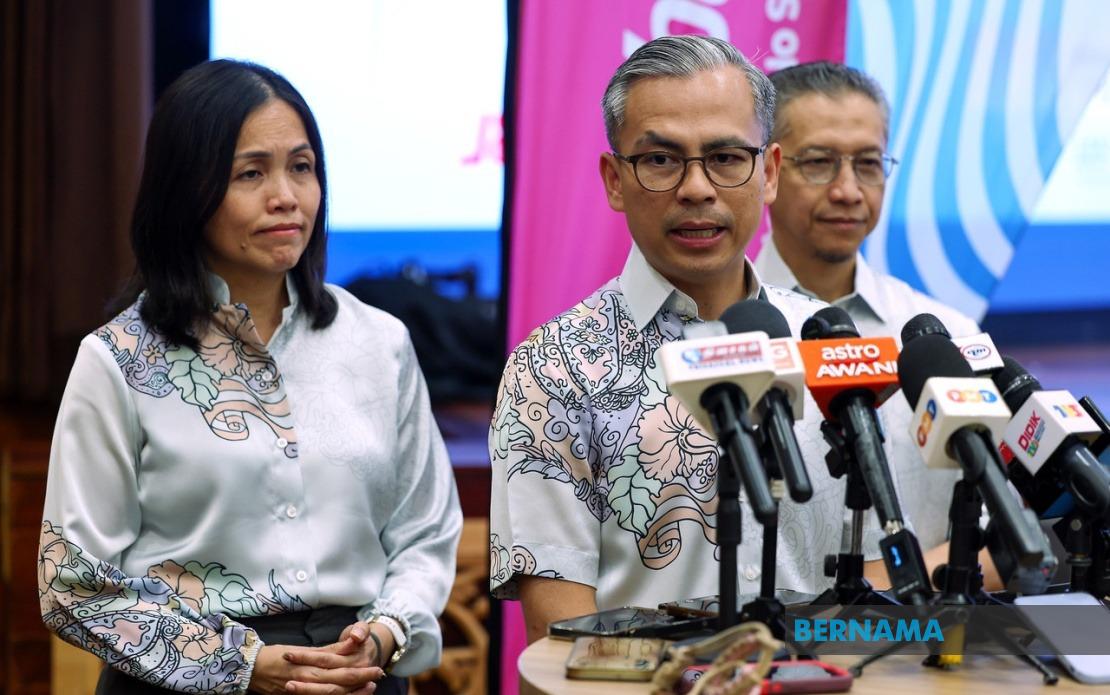
Communications Minister Datuk Seri Fahmi Fadzil has announced that the damaging Royal Commission of Inquiry report into Lembaga Tabung Haji will be distributed to a broad range of authorities tasked with conducting comprehensive investigations into its findings and recommendations. Speaking in Putrajaya on August 12, the government's chief spokesperson detailed the multi-agency approach to addressing the inquiry's conclusions, signalling the seriousness with which the administration is treating the governance failures identified at the Islamic pilgrimage fund.
The institutions receiving the report encompass the full spectrum of Malaysia's law enforcement and financial oversight apparatus. The Royal Malaysia Police will lead criminal investigations, while the Malaysian Anti-Corruption Commission handles graft-related matters. Simultaneously, bodies with responsibilities under anti-money laundering and terrorism financing legislation will scrutinise relevant aspects of the findings. Bank Negara Malaysia and the Inland Revenue Board will each examine areas falling within their regulatory purview. This coordinated approach reflects the comprehensive nature of the inquiry's conclusions and the government's commitment to pursue accountability across multiple legal frameworks.
Fahmi indicated that Prime Minister Datuk Seri Anwar Ibrahim had previously announced this enforcement strategy, with the handover representing the formal implementation of that commitment. The distribution follows a special parliamentary sitting held the previous day, during which Finance Minister II Datuk Seri Amir Hamzah Azizan and Minister in the Prime Minister's Department (Religious Affairs) Dr Zulkifli Hasan presented additional information supplementing the formal inquiry findings. This parliamentary briefing provided lawmakers with comprehensive context before the referral process commenced.
The RCI report, released publicly on July 29, documented persistent management and operational deficiencies spanning the 2014-2020 period. The inquiry made 25 recommendations for structural and operational improvements, with Tabung Haji having already implemented three-quarters of these measures by late July. However, the agency's responsive implementation of recommendations does not address the underlying failures documented during the inquiry period, which prompted the government's decision to commence formal investigations. The scope and depth of weaknesses identified justified the multi-agency approach now being deployed.
The report's publication has generated parliamentary pressure for an expanded inquiry covering the subsequent 2021-2025 period, with both government-aligned Barisan Nasional lawmakers and opposition Pakatan Harapan members calling for a new RCI. Fahmi acknowledged these proposals but stressed that establishing a fresh inquiry would require Cabinet approval and Yang di-Pertuan Agong consent, given the constitutional requirements governing Royal Commissions. The decision to expand or conclude the investigative process thus remains with the executive and monarchy rather than parliament, though legislative pressure may influence that determination.
Fahmi's remarks also addressed the parliamentary dynamics surrounding the TH debate, specifically praising Parti Pribumi Bersatu Malaysia MPs for attending the special sitting. This commendation carried implicit criticism of opposition figures who chose not to participate. The Communications Minister pointedly noted that the RCI had been established in 2021 when members of PAS and Opposition Leader Datuk Seri Hamzah Zainudin held Cabinet positions, suggesting that the inquiry was initiated with their knowledge and endorsement. His observation that these figures subsequently boycotted the parliamentary debate appeared calculated to emphasise their apparent inconsistency in initiating the inquiry but refusing to defend or explain its conclusions.
The parliamentary sitting itself witnessed significant procedural tension when opposition MPs staged a walkout and boycott, objecting to Speaker Tan Sri Johari Abdul's decision to proceed without Prime Minister Anwar Ibrahim's physical presence. This tactical withdrawal prevented certain opposition voices from engaging with the ministerial briefings and subsequent debate, allowing government and allied lawmakers to shape the parliamentary narrative surrounding the inquiry's findings. Despite the disruption, 39 MPs ultimately participated in debating the report, with government-aligned members dominating the discussion.
For Malaysian readers, the Tabung Haji inquiry carries particular significance given the institution's role as custodian of pilgrim savings and its religious importance in the Islamic financial ecosystem. Millions of Malaysian Muslims depend on Tabung Haji's management of their hajj funds, making governance failures at the institution a matter of both financial and spiritual concern. The documented weaknesses between 2014-2020 potentially affected large numbers of contributors, with implications for public confidence in religiously-designated financial institutions.
The multi-agency investigation framework also reflects broader governance challenges within Malaysia's institutional landscape. The concentration of significant failures within a single period suggests systemic issues in institutional oversight and management accountability that extend beyond Tabung Haji itself. The coordinated investigative response may therefore yield findings applicable to other government-linked companies and statutory bodies managing public or community resources. The precedent established through this comprehensive inquiry could influence how future governance failures are handled across the public sector.
The investigation process will likely extend over months, with different agencies pursuing distinct legal angles. Criminal investigations by police and MACC may result in individual charges if evidence of corruption or misconduct emerges. Regulatory examinations by Bank Negara and the IRB could lead to administrative sanctions or structural remedies. This layered approach maximises the likelihood of addressing accountability comprehensively while ensuring each institution operates within its designated legal authority. The eventual outcomes will significantly influence public perception of governance standards within Malaysia's Islamic financial institutions and government-linked enterprises more broadly.

