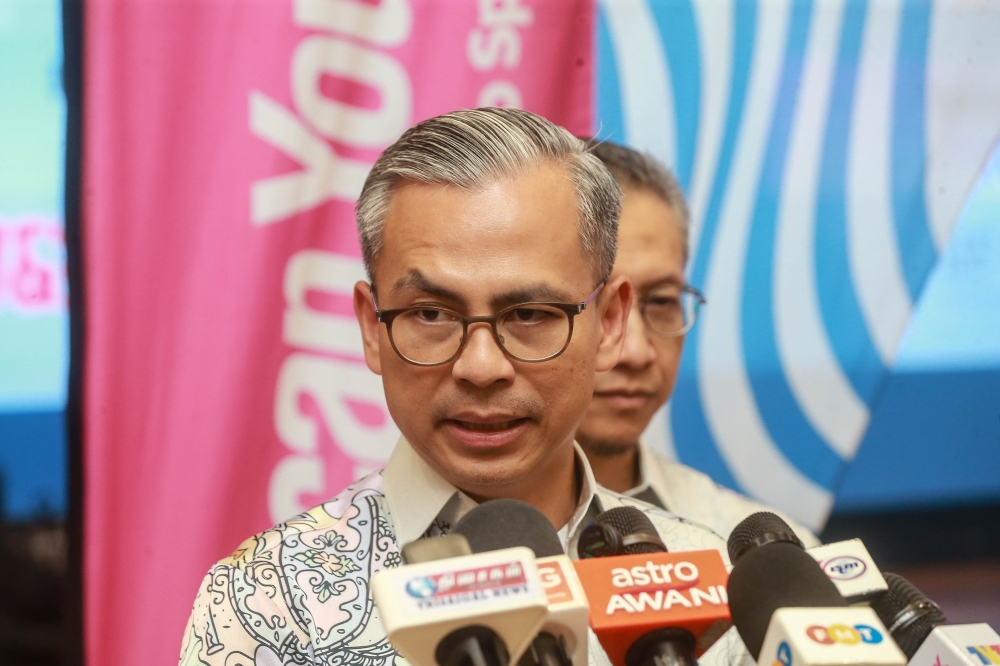
The Royal Commission of Inquiry into Lembaga Tabung Haji has triggered a multi-agency investigation, with findings now distributed across Malaysia's law enforcement and regulatory apparatus. The report, which examined the management and operations of the nation's Islamic pilgrimage fund, will be scrutinised by the police, Malaysian Anti-Corruption Commission, Bank Negara Malaysia, and the Inland Revenue Board according to a statement by government spokesperson Fahmi.
This coordinated referral approach underscores the gravity of concerns raised during the RCI's examination of Tabung Haji's affairs. By dispatching the report to agencies with distinct investigative mandates—from criminal prosecution to financial regulation and tax compliance—the government has signalled its intention to pursue multiple lines of inquiry simultaneously. The involvement of Bank Negara reflects the serious financial implications, while the IRB's participation suggests potential irregularities in tax reporting or treatment of fund transactions.
Tabung Haji, as Malaysia's designated institution managing pilgrims' savings, occupies a position of singular trust within the Muslim community. The fund collects contributions from millions of Malaysians planning to undertake the hajj pilgrimage, making its governance a matter of considerable public concern. Any findings of mismanagement or irregularity carry implications beyond the institution itself, touching on the broader confidence Malaysian Muslims place in government-backed financial vehicles designed specifically for their religious obligations.
The RCI's investigation likely delved into investment strategies, spending patterns, leadership decisions, and governance structures within Tabung Haji. These are not merely administrative matters. Improper management of pilgrimage savings strikes at both fiduciary obligations and the intersection of religious duty and state responsibility. The fact that findings warrant involvement by both anti-corruption and financial regulatory authorities suggests potential breaches spanning multiple jurisdictions and regulatory frameworks.
For Malaysia's law enforcement ecosystem, this distribution of responsibility reflects pragmatic recognition that contemporary financial investigations rarely fit neatly within single agencies' remits. The police may focus on establishing criminal culpability and potential fraud; MACC will examine corruption and abuse of power; Bank Negara can assess compliance with financial regulations and institutional stability; and the IRB will investigate tax-related dimensions. This compartmentalisation allows expertise application while preventing investigative gaps.
The referral carries substantial political weight in Malaysia's current governance environment. Tabung Haji's challenges are not recent phenomena but have accumulated concerns spanning years. By triggering formal investigations across multiple agencies, the government demonstrates responsiveness to public scrutiny while establishing formal accountability mechanisms. Whether this leads to prosecution, institutional reform, or both will significantly impact public confidence in the institution.
Regional observers of Malaysian governance will note that coordinated investigations of financial institutions require sophisticated coordination between agencies that traditionally operate with some independence. The success of this multi-pronged approach depends on effective information-sharing, complementary timelines, and commitment from each agency to pursue findings within its domain without duplicating or conflicting with parallel inquiries.
For ordinary Malaysians with contributions tied up in Tabung Haji, the escalation carries both reassuring and concerning dimensions. The involvement of multiple regulatory bodies suggests serious scrutiny of their savings, yet prolonged investigations may delay resolution and clarity about fund performance or security. The timing of the RCI completion and subsequent referrals will determine how quickly beneficiaries receive answers about their pilgrimage savings.
The international dimension should not be overlooked. Malaysia's hajj system operates within a broader Islamic financial ecosystem. How the government addresses Tabung Haji's governance challenges could influence perceptions of Malaysia's broader Islamic financial sector among both domestic stakeholders and international observers increasingly focused on governance standards within Islamic institutions.

