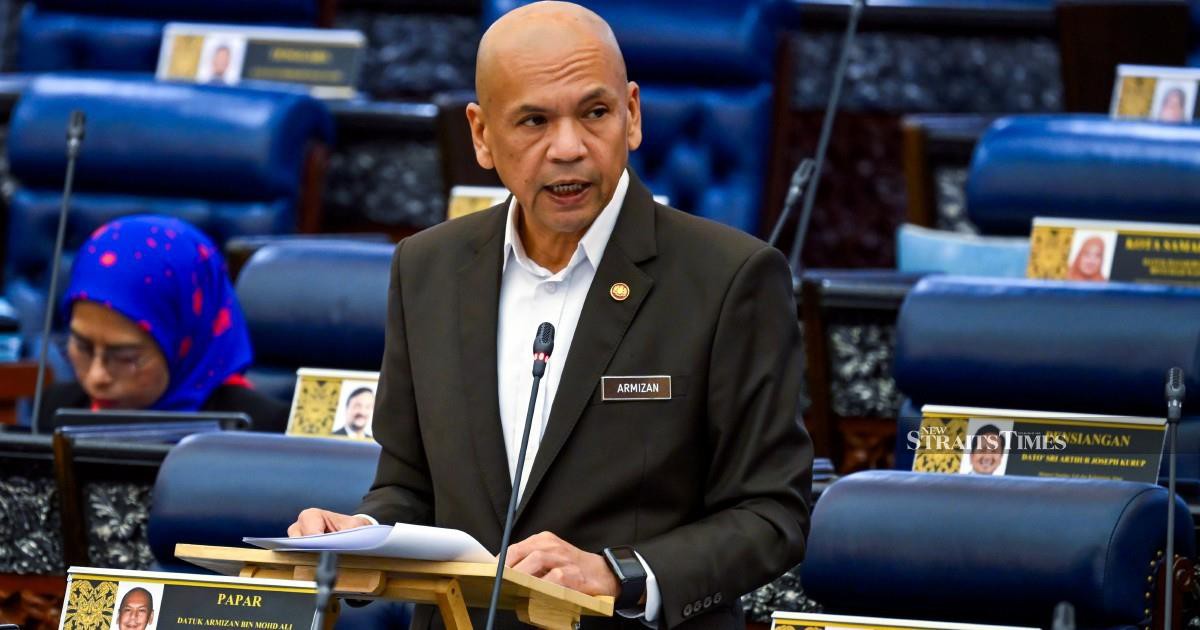
The Royal Commission of Inquiry investigating Tabung Haji has unveiled concerning gaps in the audit process, with members of Parliament now questioning whether the financial integrity reports presented to the nation's highest institutions were sufficiently rigorous. Lawmakers raised these concerns following the release of the RCI's comprehensive findings on the pilgrimage fund manager, which operates one of Southeast Asia's largest Islamic financial institutions.
The inquiry's conclusions suggest that audit procedures applied to Tabung Haji may not have met the standards expected for an organisation managing billions of ringgit in public savings. This revelation strikes at the heart of institutional trust, as Tabung Haji serves as a critical repository for the hajj savings of over 9 million Malaysians. The audit reports in question were formally submitted to Cabinet members and tabled before Parliament, documents that legislators and the executive branch relied upon to assess the organisation's financial health.
For Malaysian investors and depositors, the implications are particularly troubling. Tabung Haji functions as a mandatory savings vehicle for Muslims preparing for the hajj pilgrimage, making it not merely a financial institution but a deeply trusted custodian of religious obligation and personal savings. When audit integrity falters at this level, confidence in the entire governance structure becomes compromised. The RCI's findings suggest that what was presented as transparent financial reporting may have obscured underlying vulnerabilities within the organisation's management.
The concerns raised by lawmakers underscore a fundamental challenge in Malaysia's corporate governance landscape: the adequacy of independent oversight mechanisms. Audit firms, regulators, and internal controls are designed to function as checks on institutional conduct, yet the RCI inquiry suggests these safeguards may have contained blind spots. This raises questions about how robustly external auditors scrutinised Tabung Haji's operations, whether they possessed sufficient independence to challenge management decisions, and whether regulatory bodies maintained adequate supervisory distance.
The timing of these revelations compounds the concern. Tabung Haji has faced significant operational challenges in recent years, including substantial asset losses and investment underperformance. Had audit reports been more forthright about emerging issues, intervention and corrective measures could potentially have been implemented earlier. Instead, the organisation continued operations under an apparent veneer of normalcy that the RCI report now suggests was misleading.
For policymakers across Southeast Asia, the Tabung Haji case offers a cautionary lesson about institutional accountability. Many regional governments rely upon religious or social savings schemes to mobilise capital from their populations. Without robust audit frameworks and genuine investigative independence, these institutions become vulnerable to the same governance failures that plagued Tabung Haji. The RCI inquiry demonstrates that formal audit ticks and regulatory compliance letters provide little protection when underlying processes lack substance.
The parliamentary concern also reflects a broader regional trend toward increased scrutiny of state-linked entities. Malaysia, Singapore, Indonesia and other Southeast Asian nations are gradually tightening expectations around transparency and accountability for institutions managing public funds. The Tabung Haji RCI findings align with this trajectory, though they also expose gaps that should have been identified earlier through normal supervisory channels.
What remains unclear from the initial RCI findings is whether audit failures stemmed from insufficient resources, unclear mandates, conflicts of interest, or deliberate circumvention of established procedures. Understanding these root causes will be essential for implementing meaningful reforms. Simply identifying that audit integrity was compromised provides limited guidance for preventing similar situations across other government-linked companies and financial institutions.
The credibility questions now facing Tabung Haji's auditors extend beyond the organisation itself. They invite scrutiny of how other major Malaysian institutions underwent similar audit processes during the same period. Parliament and the public are entitled to clarity about whether the audit deficiencies identified at Tabung Haji were anomalies or indicators of systemic weakness across Malaysia's institutional audit ecosystem.
Moving forward, the focus must shift toward reconstructing trust through demonstrably stronger governance. This requires more than procedural adjustments—it demands that auditors, regulators, and institutional leaders recognise that their core responsibility is serving the Malaysian public whose savings and interests are at stake. For Tabung Haji's 9 million depositors, the path to restored confidence begins with unambiguous commitment to transparency and reform that goes meaningfully beyond what audit reports of past years implied about the organisation's true condition.

