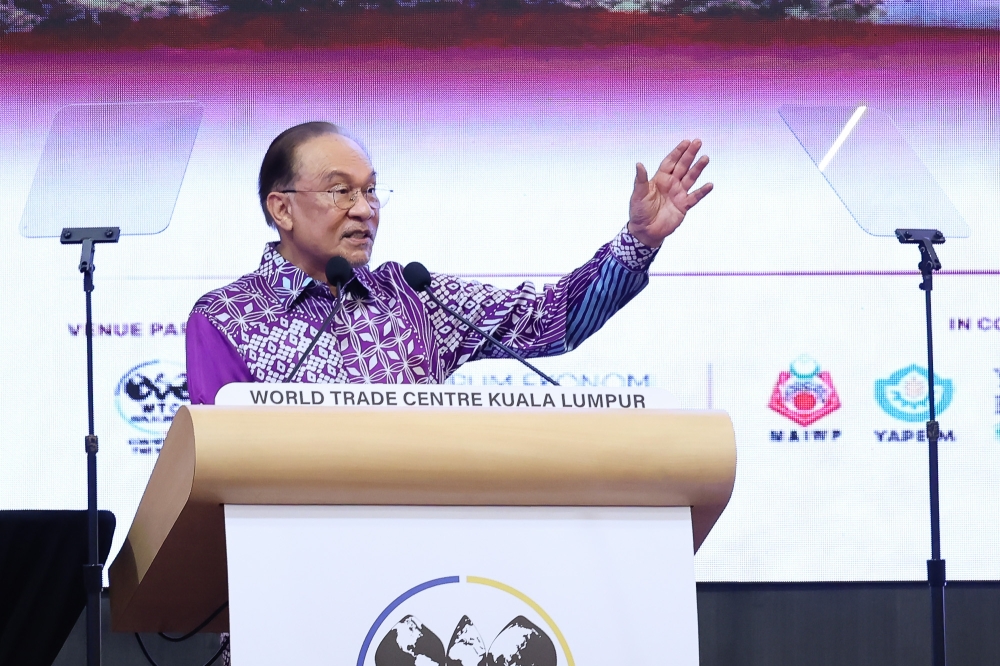
Prime Minister Datuk Seri Anwar Ibrahim has signalled that Tabung Haji, Malaysia's troubled pilgrimage savings board, has substantially recovered from the financial and governance crises that prompted major intervention over recent years. Speaking in Kuala Lumpur on July 23, Anwar indicated the institution now stands on firmer operational and financial ground after undergoing systematic restructuring measures. The government's confidence in the institution's trajectory comes ahead of the imminent release of a comprehensive Royal Commission of Inquiry report that will lay bare the findings of an independent examination into the board's past management failures.
The timing of Anwar's remarks underscores the political significance of Tabung Haji's rehabilitation. The institution manages savings for millions of Malaysian Muslim pilgrims undertaking the Hajj journey to Saudi Arabia, making it deeply embedded in the fabric of Malaysian Islamic finance and public trust. Its previous travails, marked by investment losses and governance lapses, had stirred considerable public concern and parliamentary scrutiny. The government's decision to defer public release of the RCI findings until now suggests that officials wished to allow adequate time for remedial actions to take root before subjecting the institution to formal external examination.
Anwar's characterisation of Tabung Haji as strengthened reflects broader confidence that the reform agenda has arrested the deterioration that characterised earlier periods. The reforms have encompassed both structural reorganisation and changes to investment and operational protocols. By holding back the RCI report's public unveiling until after substantial corrective measures had been implemented, the government appeared to calculate that transparency regarding past failures would be better received if accompanied by demonstrable institutional improvements. This sequencing represents a delicate balance between accountability and pragmatism in managing public confidence.
The upcoming RCI report release is likely to provide the most detailed official accounting of what transpired at Tabung Haji during the period under review. Such inquiries typically examine decision-making processes, investment strategies, risk management frameworks, and the roles of board members and senior management in the institution's downfall. The report's findings will potentially identify systemic weaknesses in governance and identify specific individuals or groups whose decisions contributed to losses. For many Malaysians whose savings are held by Tabung Haji, the RCI findings will offer clarity about whether their money was mismanaged through incompetence, negligence, or deliberate malfeasance.
The pilgrimage savings board's importance to Malaysian society extends beyond mere financial stewardship. Tabung Haji functions as a repository of public trust for one of Islam's five pillars, making institutional failures particularly damaging to credibility. When Tabung Haji struggles, it raises uncomfortable questions about whether religious institutions and faith-based financial entities can maintain professional standards of governance. The recovery narrative that Anwar is promoting seeks to restore confidence that the institution can safeguard pilgrim savings while investing them prudently for growth.
Regional observers and institutional investors have watched Tabung Haji's trajectory with interest given the broader landscape of Islamic finance in Southeast Asia. Malaysia positions itself as a centre of Islamic financial innovation and expertise, with Tabung Haji serving as a flagship institution in the pilgrimage savings space. The manner in which Malaysian authorities address institutional failure and implement recovery measures sends signals about the robustness of governance frameworks in the broader financial sector. A successful turnaround demonstrates that even troubled institutions can be rehabilitated through determined reform effort.
The government's confidence in Tabung Haji's improvement must also be contextualised within Malaysia's broader economic and financial management priorities. For a government focused on restoring institutional credibility and tackling corruption and mismanagement, the Tabung Haji case represents an opportunity to demonstrate that executive action produces tangible results. The reforms implemented and the forthcoming RCI report constitute evidence of a administration willing to undertake difficult institutional housekeeping even when it involves scrutinising the decisions of predecessors or contemporaries.
Public reception of the RCI report will depend considerably on how comprehensively it documents past failures and how clearly it establishes the causal links between governance weaknesses and financial losses. If the report identifies specific policy errors and poor decision-making by identifiable individuals, it could generate political pressure for accountability measures. Conversely, if it attributes difficulties primarily to external market conditions or systemic factors beyond institutional control, the report may be perceived as insufficiently rigorous. The balance struck in the RCI's language and conclusions will shape public interpretation of both the past crisis and the credibility of current reforms.
Anwar's announcement that the report will be released soon reflects recognition that transparency cannot be indefinitely deferred. Public confidence in reformed institutions requires evidence, and evidence requires disclosure. The government appears to have calculated that the combination of tangible improvements already implemented, coupled with honest documentation of what went wrong, constitutes a credible foundation for renewed public trust. For millions of Malaysians saving through Tabung Haji toward their pilgrimage dreams, the report's release and the institution's demonstrated stability will offer reassurance that their contributions remain secure.

