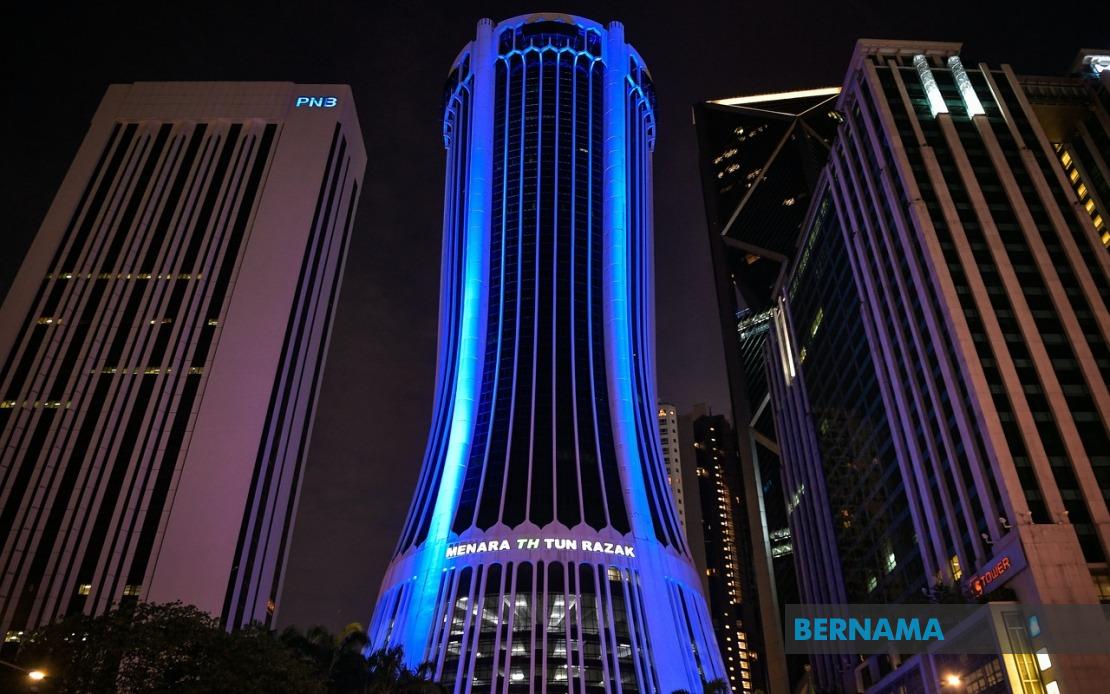
Lembaga Tabung Haji (TH) must significantly strengthen its engagement with depositors through modern communication channels and comprehensive governance overhauls to restore the public confidence that has been shaken by revelations of institutional weaknesses, according to senior analysts and academics. The pilgrimage savings fund, which serves millions of Muslim Malaysians, faces a critical juncture in rebuilding trust after a Royal Commission of Inquiry report made public on July 29 documented various failings in management and governance during the 2014 to 2020 period and proposed 25 recommendations for systemic improvement.
Dr Mohd Kamarul Amree Mohd Sarkam, Senior Lecturer at the Academy of Islamic Defence Studies at Universiti Pertahanan Nasional Malaysia, emphasizes that TH cannot afford to remain passive during this recovery phase. Rather, the institution must deploy consistent messaging across digital platforms—a strategic imperative given that the majority of TH's depositor base consists of millennials and Generation Z consumers who conduct much of their daily information consumption through social media channels. By leveraging these platforms effectively, TH can demonstrate tangible commitment to addressing institutional weaknesses while simultaneously keeping reform progress transparent and visible to the communities it serves.
The digital communication strategy carries particular weight because confusion and misinformation regarding TH's financial standing and reform timeline have already begun circulating among the deposit-holding public. Dr Mohd Afzanizam Abdul Rashid, chief economist at Bank Muamalat Malaysia Bhd, has flagged the dangerous intersection of incomplete public understanding and the normalization of misconceptions about TH's current financial position and the timeline of the Royal Commission report—which was completed in 2022, not recently. This distinction matters enormously because depositors who mistakenly believe TH is undergoing a current financial crisis may make hasty decisions regarding their savings, potentially creating a self-fulfilling prophecy of institutional instability.
Beyond digital engagement, experts advocate for intensive face-to-face outreach programmes that bring TH's leadership and reform narrative directly to depositors across the nation. Dr Mohd Afzanizam proposes that TH organize town hall sessions and district-level community forums where management can walk depositors through specific reforms, explain the implications of Royal Commission recommendations being implemented, and directly address concerns in real time. This granular, localized approach acknowledges that while digital communication reaches broad audiences efficiently, the trust-building process often requires the human element—the opportunity for depositors to hear explanations directly and pose their own questions without mediation.
A fundamental structural transformation of TH's leadership framework underpins these communication efforts. Dr Mohd Kamarul Amree has called for TH to move away from appointing individuals with primary political affiliations to senior management roles, instead recruiting accomplished technocrats and business management experts whose professional credentials and track records exist independent of partisan considerations. This depoliticization of TH's governance would signal to the public that the institution operates according to technical and financial logic rather than political convenience—a critical distinction for a fund entrusted with the hajj savings of millions of ordinary Malaysians whose interests transcend electoral cycles.
The recommendations emerging from the Royal Commission report itself provide the operational blueprint for this transformation. The RCI proposed amendments to the Tabung Haji Act that would modernize regulatory frameworks and clarify accountability structures, changes that parliament debated following a special sitting of the Dewan Rakyat last week. Dr Mohd Kamarul Amree specifically recommends that TH's financial management be placed under the purview of the Ministry of Finance, a structural change that would align pilgrimage savings management with broader fiscal governance and reduce the possibility of autonomous institutional decision-making disconnected from national financial oversight.
Particularly significant is the recognition among experts that TH has built genuine international credentials in hajj management that deserve amplification in public discourse. Saudi Arabia's government has formally recognized the quality of Malaysia's hajj administration, a distinction that reflects TH's operational competence despite the governance lapses identified in the Royal Commission report. Rebuilding public narrative around this international validation provides a counterweight to institutional criticism and demonstrates that the fundamental pilgrimage services TH provides continue to meet world standards, even as governance systems undergo necessary reform.
The governance crisis documented in the Royal Commission report occurred during a specific historical window—2014 to 2020—during which institutional oversight mechanisms proved insufficient to prevent misconduct and mismanagement. The report's findings and subsequent recommendations represent a national governance moment with implications extending far beyond TH itself. For all Malaysian public and quasi-public institutions, the RCI report serves as a cautionary document about the consequences of insufficient transparency, inadequate accountability structures, and the hiring of leaders primarily on political rather than professional grounds.
Dr Mohd Afzanizam's emphasis on assuring the public that TH's financial position remains fundamentally sound reflects an important distinction between governance failure and financial insolvency. The Royal Commission investigated management and institutional processes rather than discovering that TH lacks the financial capacity to meet its obligations to depositors. This nuance, properly communicated through systematic outreach, could substantially calm concerns among depositors who may fear losing their hajj savings entirely. Clear explanation that TH maintains adequate financial reserves even while undergoing governance reform addresses the most acute anxiety many depositors experience.
The implementation timeline for Royal Commission recommendations becomes critical in the coming months. TH must move beyond merely acknowledging recommendations and begin demonstrating concrete institutional changes through visible structural modifications, personnel appointments, policy amendments, and operational procedure revisions. Each implemented recommendation should be publicized and explained, creating a continuous narrative of institutional improvement rather than allowing depositors to assume stalled progress.
The broader context for TH's recovery efforts includes the government's stated commitment to institutional integrity and corruption eradication. By positioning TH's governance reforms as aligned with national anti-corruption policy, the institution can benefit from the political capital surrounding integrity initiatives while simultaneously contributing to a culture of transparency that extends across Malaysian public institutions. This alignment transforms what might otherwise appear as crisis management into a component of systematic institutional strengthening affecting multiple sectors.
For Malaysian depositors, particularly those from lower and middle-income backgrounds for whom TH savings represent significant accumulated wealth designated for religious pilgrimage, the institution's successful navigation of this reform period matters profoundly. The combination of improved digital communication, comprehensive governance restructuring, intensive community outreach, and demonstrable implementation of Royal Commission recommendations provides the pathway through which TH can transition from an institution marked by recent scandal to one recognized for responsiveness and reformed institutional practice. The coming year will determine whether TH emerges as a case study in successful institutional rehabilitation or as a cautionary tale about inadequate reform commitment.

