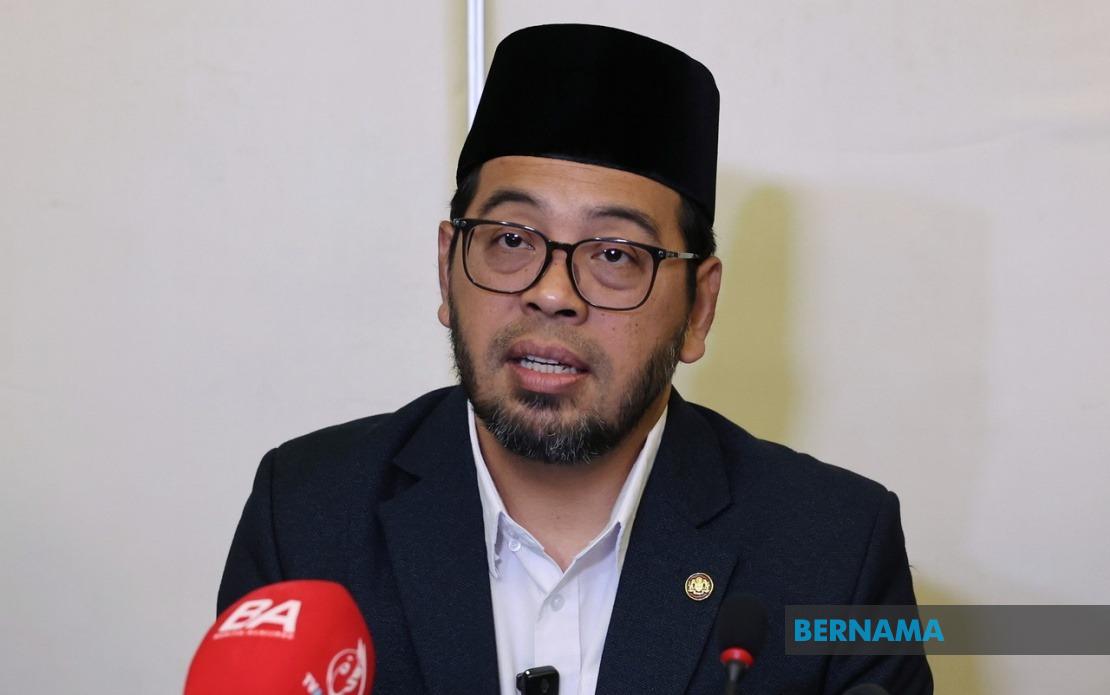
Religious Affairs Minister Dr Zulkifli Hasan has declared that Tabung Haji has emerged from a significant institutional recovery process, now positioning the fund in substantially better financial and operational health. Speaking during a special parliamentary sitting, Zulkifli outlined how the MADANI Government inherited an organisation burdened by problematic legacy assets accumulated since 2018, requiring deliberate intervention and restructuring.
The government's strategy prioritised allowing Tabung Haji space to undertake internal restoration before making public disclosure of its challenges and recovery trajectory. This measured approach meant withholding detailed scrutiny until management improvements had demonstrably taken root. The minister framed this decision as prudent stewardship, avoiding panic among the fund's millions of depositors whilst enabling comprehensive remediation of underlying institutional weaknesses.
International recognition has validated the turnaround. Tabung Haji received five World's Best Haj Management Awards across four consecutive years, a distinction underscoring that effective leadership underpinned by competence, integrity and trustworthiness could successfully revitalise even organisations facing significant reputational damage. These accolades carry weight beyond prestige; they signal to Muslim pilgrims globally that Malaysia's premier hajj fund maintains standards worthy of handling their sacred savings.
On July 29, Malaysia's Cabinet unanimously approved releasing the Royal Commission of Inquiry report into Tabung Haji, a pivotal moment of transparency. The 211-page RCI document, chaired by former Chief Justice Tun Mohamed Raus Sharif and supported by five specialists spanning public administration, banking, finance, syariah and accounting, detailed institutional deficiencies spanning 2014 to 2020. The report proposed 25 improvement recommendations; by late July, three-quarters had already been implemented, with remaining measures under active pursuit.
Simultaneously, the government initiated comprehensive enforcement investigations. The Malaysian Anti-Corruption Commission and police began probes into alleged misappropriation, detaining several individuals implicated in the RCI findings. This dual-track approach—public disclosure combined with criminal accountability—reflected government determination to investigate misconduct thoroughly without favour or compromise. Zulkifli stressed that enforcement action demonstrated commitment to investigating every allegation whilst respecting His Majesty Sultan Ibrahim's directive for comprehensive, transparent investigation conducted "until every stone is turned."
The stakes surrounding Tabung Haji extend far beyond institutional reputation. The fund holds savings accumulated painstakingly by millions of ordinary Malaysians: parents setting aside money for children, teachers, smallholder traders, retirees, farmers, fishermen, rubber tappers and taxi drivers. Their deposits represent not pursuit of commercial returns but spiritual aspirations—they save to journey to the Holy Kaaba. When such trust is breached, Zulkifli contended, governance responses cannot rely on selective disclosure or obscure reality behind statistics.
This perspective illuminates why the RCI process, announced by the previous government in 2021, commanded such political and social importance. Between appointment in January 2022 and final submission in August that year, the commission's investigations had to establish authoritative findings about institutional governance failures. The specific weaknesses identified between 2014 and 2020 represented formative years when Tabung Haji faced competitive pressures, asset management challenges and evolving regulatory environments—problems requiring honest diagnosis rather than institutional defensiveness.
The minister's parliamentary statements emphasise that Tabung Haji decisions must be anchored to principles of depositor confidence and trust restoration. Any governance choice must weigh whether it strengthens or undermines the confidence of ordinary savers who depend on the fund's integrity. Conversely, investigations into alleged breaches of trust cannot be deferred or minimised through political calculations; truth-seeking, rectification and prevention mechanisms constitute the spirit animating the RCI exercise.
For Malaysian and Southeast Asian observers, the Tabung Haji recovery carries instructive implications about institutional resilience and governance reform. Many nations operate faith-based financial or welfare institutions serving predominantly Muslim populations; the Malaysian experience demonstrates that transparent acknowledgment of failures, coupled with decisive management change and enforcement action, can restore institutional credibility. The reputational rehabilitation signalled by international hajj management awards suggests regional confidence in Malaysian institutional competence remains intact despite past misconduct.
The government's phased approach—permitting recovery before public disclosure—reflects mature governance calculation. Premature revelation during active institutional fragility risks depositor panic and fund destabilisation. Yet indefinite secrecy erodes public trust. The chosen timing, once recovery metrics had demonstrably improved, represents a pragmatic middle path between transparency and prudence, prioritising depositor welfare whilst ultimately confronting problematic history.
Enforcement investigations now underway will determine whether breaches involved negligence, mismanagement or deliberate criminal conduct. The distinction matters significantly: each category requires different remedial frameworks. Tabung Haji's status as custodian of pilgrims' sacred savings means institutional governance operates simultaneously within legal, fiduciary, religious and community accountability frameworks—obligations exceeding those facing conventional financial institutions. The RCI findings and subsequent investigations therefore constitute not merely administrative reviews but assessments touching the intersection of Islamic trust principles, public accountability and criminal responsibility.
Looking forward, Tabung Haji's trajectory will merit continued scrutiny as implementation of the remaining RCI recommendations proceeds. The fund's ability to maintain the World's Best Haj Management Awards whilst embedding improved governance systems will signal whether recovery represents sustained institutional transformation or temporary corrective measures. For Malaysia's Muslim community and hajj pilgrims, the tangible measure of success will be demonstrated through uncomplicated, transparent fund management earning renewed depositor confidence—a restoration only time and consistent performance can fully achieve.

