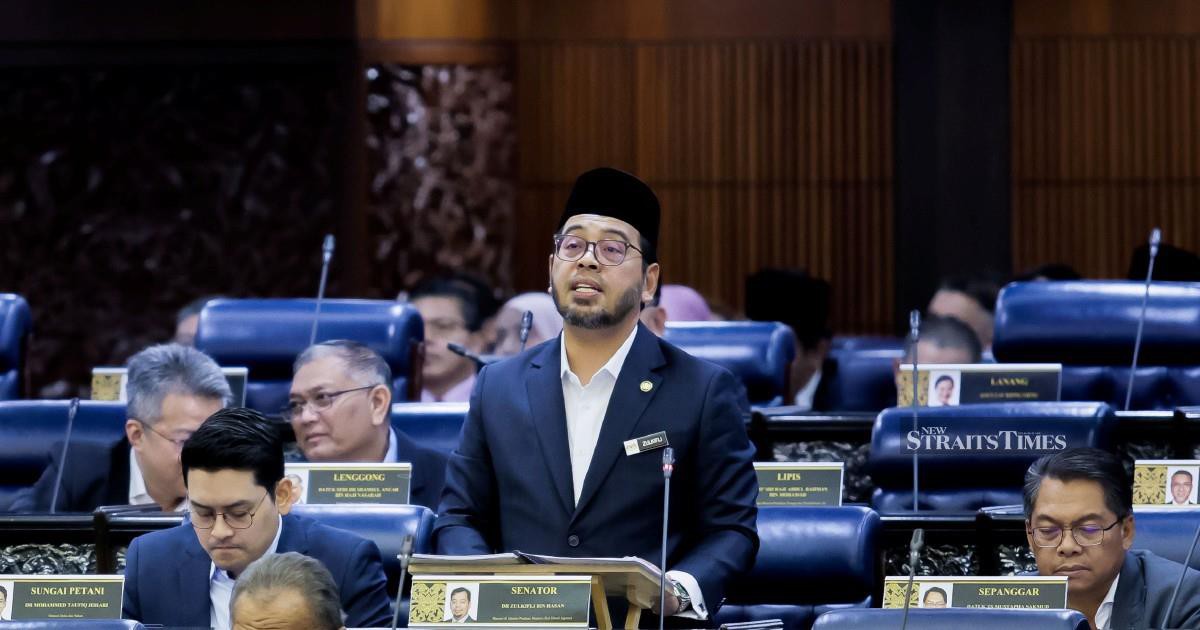
Malaysia's Tabung Haji, the state-backed Islamic pilgrimage fund responsible for managing savings from millions of Muslim Malaysians heading to Mecca, has formally lodged 12 reports with both the Royal Malaysia Police and the Malaysian Anti-Corruption Commission in response to findings uncovered by a Royal Commission of Inquiry into the organisation's management and governance.
The decision to file these reports marks a significant step in addressing the controversies that have dogged the fund in recent years. Tabung Haji manages approximately RM95 billion in pilgrim funds, making it one of the most important financial institutions for Malaysia's Muslim majority. The move to escalate concerns to law enforcement and anti-corruption authorities signals the seriousness with which the fund is treating the RCI's conclusions about operational and administrative irregularities.
A Royal Commission of Inquiry represents Malaysia's highest investigative mechanism outside the courts, typically convened to examine matters of national importance or institutional crisis. The decision to establish an RCI into Tabung Haji's operations reflected widespread concern about the fund's financial performance, investment decisions, and governance structures. The commission's investigation would have examined years of operations, financial records, and decision-making processes at multiple levels of the organisation.
Tabung Haji's decision to refer the RCI findings to law enforcement agencies rather than handle them internally underscores the gravity of the issues identified. The Malaysian Anti-Corruption Commission, which has broad powers to investigate corruption offences across both public and private sectors, would be particularly relevant if the RCI findings pointed to misuse of funds or abuse of office by individuals within Tabung Haji's leadership or administration.
For Malaysian pilgrims and their families, Tabung Haji's proactive engagement with authorities offers some reassurance that irregularities flagged by the commission will be properly investigated and, if warranted, prosecuted. The fund operates on a principle of trust, as pilgrims entrust substantial personal savings to the organisation for years before their pilgrimage. Lapses in governance or financial stewardship directly impact the savings and aspirations of ordinary Malaysians.
The filing of multiple reports suggests the RCI identified concerns across various dimensions of Tabung Haji's operations—possibly spanning investment management, procurement practices, personnel decisions, or fund disbursement procedures. Each report would likely detail specific findings and recommend investigative focus areas, providing police and MACC investigators with a structured foundation for their inquiries.
Tabung Haji's cooperation with authorities reflects evolving standards of institutional accountability in Malaysia. Rather than adopting a defensive posture, the fund's leadership appears committed to demonstrating transparency and supporting external scrutiny. This approach may help restore confidence among Malaysia's Muslim community, who have watched Tabung Haji navigate financial losses and management changes in recent years.
The RCI's investigation itself would have been comprehensive, potentially examining governance structures, board oversight mechanisms, investment strategy decisions, and operational controls. Commissioners typically have access to confidential documents, internal communications, and the ability to question current and former senior officials under oath. These powers allow RCIs to reach conclusions that might be difficult for routine audits or reviews to establish.
From a Malaysian perspective, the Tabung Haji matter carries broader implications for institutional governance and public accountability. As pilgrimage is a fundamental religious obligation in Islam, the fund managing these savings occupies a uniquely trusted position. Ensuring its proper operation is not merely a financial matter but touches on religious trust and national values.
The ongoing investigations by police and MACC will now determine whether the RCI's findings warrant criminal action or disciplinary measures against individuals. This process could take considerable time, as anti-corruption investigations typically require extensive evidence gathering and inter-agency coordination. The public will likely await updates on outcomes, though investigative privilege means details may remain confidential during proceedings.
Tabung Haji's handling of this situation will be instructive for other Malaysian institutions facing scrutiny. The fund's decision to promptly escalate RCI findings to appropriate authorities, rather than attempt remedial measures alone, demonstrates institutional responsibility. How the investigations proceed and what actions result will provide important signals about Malaysia's commitment to addressing governance failures in institutions managing public resources.
For Southeast Asian perspectives on institutional accountability, Malaysia's approach to investigating Tabung Haji reflects regional trends toward greater transparency and international standards of financial governance. As nations across Southeast Asia manage large sovereign funds and religious organisations with significant assets, the outcomes of Malaysia's process may influence similar investigations elsewhere in the region.

