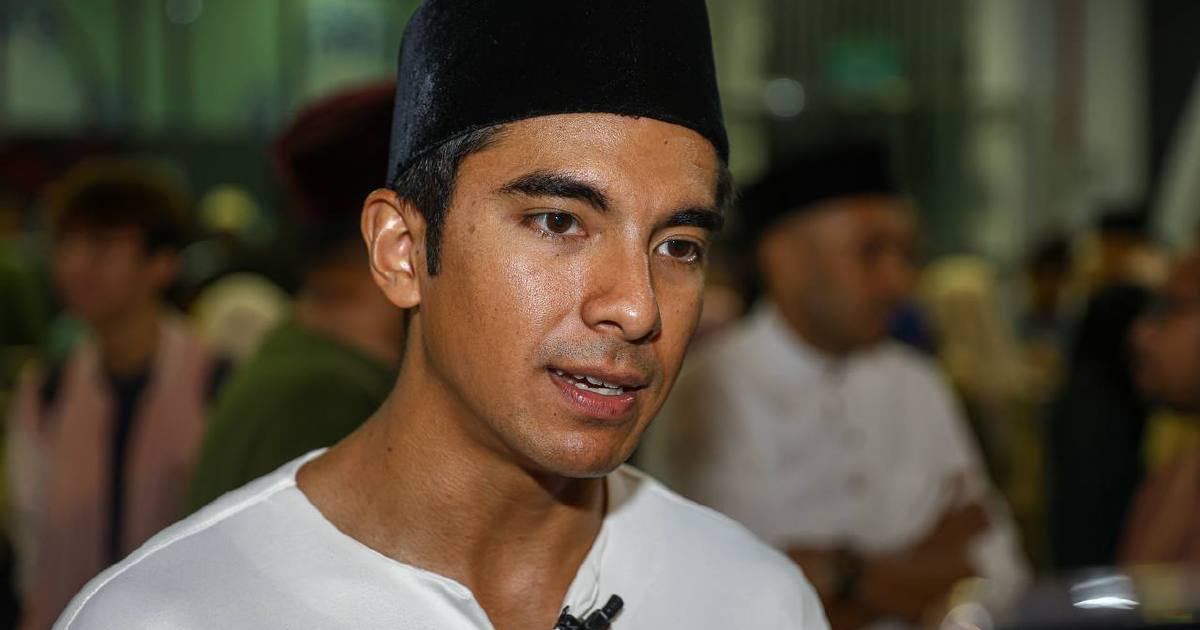
Syed Saddiq Abdul Rahman, the former Youth and Sports Minister, has struck a resigned and philosophical tone as Malaysia's highest court prepares to deliver a consequential ruling on his case. The politician, who once served in the Cabinet under the previous administration, has publicly stated that he is placing his trust in God as the moment of judicial determination approaches. This stance reflects not merely personal piety but also a calculated political positioning ahead of what is anticipated to be a pivotal moment in his public career.
The case before the Federal Court carries significant implications for Syed Saddiq's standing within Malaysian politics. His fate now rests entirely with the judicial system, and his recent comments underscore the gravity of what the decision may entail. By framing his position through a religious and spiritual lens, he has signalled acceptance of whatever outcome emerges from the bench, while simultaneously maintaining dignity in what could be a challenging situation. This approach is not uncommon among Malaysian political figures facing consequential legal proceedings.
Syed Saddiq's political trajectory has been marked by notable developments over recent years. His rise within the youth wing of his party and subsequent elevation to ministerial rank represented a significant achievement for someone of his generation. However, legal challenges have intervened in what was previously considered a promising ascent through Malaysia's political establishment. The Federal Court's impending decision will likely reshape both his immediate circumstances and his long-term political viability.
The timing of his public statements reflects an understanding that the decision is imminent. Federal Court rulings on matters of this significance are conducted with considerable deliberation, yet the court's calendar suggests that a determination is now close at hand. Political observers and legal analysts across Malaysia have been monitoring the case with interest, given its potential ramifications not only for Syed Saddiq individually but potentially for broader political dynamics within his party and the wider coalition landscape.
In the Malaysian context, Federal Court decisions carry substantial weight both legally and politically. A verdict in Syed Saddiq's favour could rehabilitate his public standing and position him for a return to more prominent roles within the party machinery. Conversely, a decision against him could necessitate a recalibration of his political ambitions and public engagement. The stakes, therefore, are considerable, which lends additional significance to his current posture of acceptance and spiritual reliance.
Syed Saddiq's public remarks have been notably restrained, avoiding inflammatory language or suggestions of injustice that might characterise other political figures in similar circumstances. This measured approach may reflect strategic counsel from his legal team and political advisors, who likely recognise that dignified acceptance of judicial process serves his interests better than combative rhetoric. In Malaysia's political ecosystem, where respect for institutions—however imperfect in practice—remains rhetorically important, such composure can influence public perception and potentially judicial consideration of character and circumstance.
The former minister's situation also illuminates broader questions about accountability and the rule of law within Malaysian politics. The trajectory from high office through legal challenge to potential vindication or conviction follows patterns seen with other prominent figures. These cases collectively demonstrate that no individual, regardless of political position or party affiliation, operates entirely outside the jurisdiction of the courts. This principle, while occasionally tested, remains foundational to Malaysia's constitutional framework.
Within his party, Syed Saddiq's current predicament has generated varied responses. Some colleagues have maintained public loyalty, while others have adopted strategic distance, the nature of Malaysian factional politics dictating such differentiation. His potential rehabilitation or elimination from contention for future office will influence intra-party dynamics, particularly within youth-oriented structures where his generational cohort and management experience once generated significant enthusiasm.
The Federal Court's timeline for delivering judgment remains uncertain, though all indications suggest the decision will arrive in the near term rather than remaining in extended suspension. This anticipated imminence has prompted Syed Saddiq's recent statements, positioning him psychologically and publicly for the transition from litigant in waiting to respondent receiving judgment. Whether this philosophical acceptance masks anxiety or reflects genuine equanimity remains a matter of speculation among political analysts and observers familiar with his profile.
Looking forward, the impact of the Federal Court's decision will extend beyond Syed Saddiq's personal circumstances. Malaysian politics continues to evolve through a series of high-profile legal proceedings involving prominent figures. Each verdict contributes to the developing jurisprudence and expectations surrounding accountability among elected officials and those who have held high office. This case, therefore, forms part of a broader institutional narrative about governance, justice, and political consequence in contemporary Malaysia.

