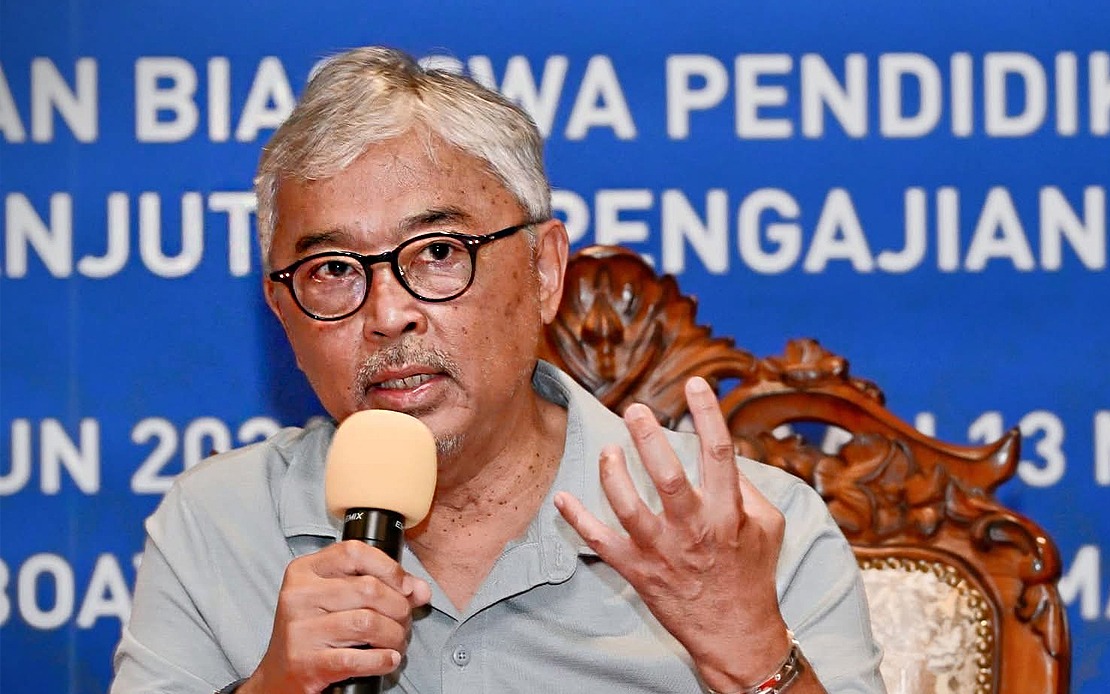
The Sultan of Pahang, Al-Sultan Abdullah Ri'ayatuddin Al-Mustafa Billah Shah, has made a direct appeal to universities across Pahang to expand scholarship opportunities for students originating from Tioman Island, emphasising that geographic isolation should not hinder educational advancement. His call represents a growing push within Malaysia's leadership to bridge the educational gap between urban centres and remote communities, particularly those in archipelagic regions where access to quality tertiary education remains constrained by distance and economic circumstances.
The royal directive centres on the Institut Jantung Negara University College (IJNUC), which has already demonstrated commitment by awarding scholarships to two outstanding Tioman students. The Sultan identified this initiative as a model that should inspire other Pahang-based universities to take similar action, setting a precedent for institutional responsibility towards underserved populations. By publicly endorsing and attending the scholarship presentation ceremony, the Sultan signalled that this effort aligns with the state's development priorities and reflects values he considers central to sustainable growth.
Tioman Island, while renowned as a tourist destination and marine biodiversity hotspot, faces persistent challenges in providing equitable educational pathways for its resident youth. The island's remoteness and limited infrastructure create structural barriers that often result in talented students forgoing higher education or relocating to pursue it. The Sultan's intervention acknowledges this reality and positions scholarship provision as both a social equity issue and a mechanism for developing human capital that might otherwise remain untapped in Malaysia's push towards becoming a high-income nation.
In his remarks disseminated through official channels, the Sultan specifically addressed the two scholarship recipients, framing their achievements as emblematic of broader potential within Tioman's youth population. Rather than portraying the recipients as beneficiaries dependent on charity, he positioned them as ambassadors whose success would establish aspirational benchmarks for peers. This rhetorical framing—coupled with his explicit instruction that "failure is not an option"—transforms the scholarship into a form of symbolic investment, where the students' academic performance becomes a proxy for validating the entire community's capacity for excellence.
The Sultan's emphasis on discipline, time management, and sustained focus throughout the tertiary education journey reflects awareness of the psychological and practical challenges facing students from remote communities. Research on student retention and academic performance suggests that first-generation and geographically displaced students often encounter difficulties with adjustment, financial stress, and social integration. By providing not merely financial support but also authoritative encouragement centred on resilience and commitment, the royal directive attempts to address these softer dimensions of educational success.
Institut Jantung Negara itself merits attention within this context. As a leading cardiac treatment centre recognised across Asia for specialisation and research capability, its corporate social responsibility engagement represents a strategic approach where specialised institutions leverage their prestige and resources to build community relations. The Sultan's public recognition of IJN's dual role—as both a medical excellence leader and active community partner—effectively validates a model where institutional self-interest and genuine social contribution become aligned. This alignment matters particularly in an environment where corporate social responsibility initiatives sometimes face scepticism regarding authenticity.
The Sultan's reference to IJN's consistent community health outreach, including in areas like Kampung Bantal, situates the scholarship initiative within a broader institutional pattern rather than treating it as an isolated charitable gesture. By documenting this pattern, the royal statement creates accountability expectations—the institution has established a standard it cannot easily abandon without reputational consequences. For other universities, this public commendation effectively raises the bar for what constitutes meaningful institutional engagement with disadvantaged populations.
For Malaysian higher education policy, the Sultan's intervention carries subtle but significant implications. It signals that royal institutions view equity in tertiary education access as a governance concern warranting direct intervention. While universities in Malaysia operate with institutional autonomy, royal patronage and explicit encouragement from state rulers carries considerable weight in decision-making and resource allocation contexts. The Sultan's call may therefore trigger institutional responses extending beyond Pahang, as universities in other states recognise the political and social capital attached to such initiatives.
Tioman Island itself represents a microcosm of Southeast Asia's broader rural-urban education divide. Island and maritime communities across the region face similar structural disadvantages regarding higher education access. Malaysia's comparative wealth and institutional capacity position it to develop models that other nations might eventually adopt. The Tioman initiative, if expanded and systematised, could generate evidence and best practices regarding scholarship design and student support mechanisms suited to geographically dispersed populations—knowledge increasingly valuable as Southeast Asian nations prioritise inclusive development.
The Sultan's specific designation of Pahang universities as primary addressees reflects state-level development philosophy. Rather than centralising responsibility in Kuala Lumpur-based institutions, the directive encourages distributed responsibility where regional universities serve regional communities. This approach potentially builds local institutional capacity while addressing equity concerns, though it also raises questions about resource distribution and whether Pahang universities possess sufficient research capacity and financial resources to sustain comprehensive scholarship programmes without straining their operational budgets.
Moving forward, the effectiveness of this initiative hinges substantially on institutional follow-through. Royal encouragement, however publicly declared, does not automatically translate into institutional action absent corresponding incentive structures or policy frameworks. Whether additional Pahang universities respond will likely depend on factors including financial capacity, strategic priorities, and whether government policy mechanisms provide complementary support—perhaps through tax incentives for institutional scholarship spending or formal requirements that universities allocate specified percentages of operating budgets to access programmes.
The Sultan's personal investment in attending the scholarship ceremony and recording detailed remarks underscores that this constitutes not merely ceremonial engagement but substantive concern warranting ongoing attention. For Tioman students and communities, this visibility carries meaning extending beyond immediate financial support—it represents recognition that their aspirations matter within broader state and national development narratives, a symbolic validation that often precedes material policy shifts.

