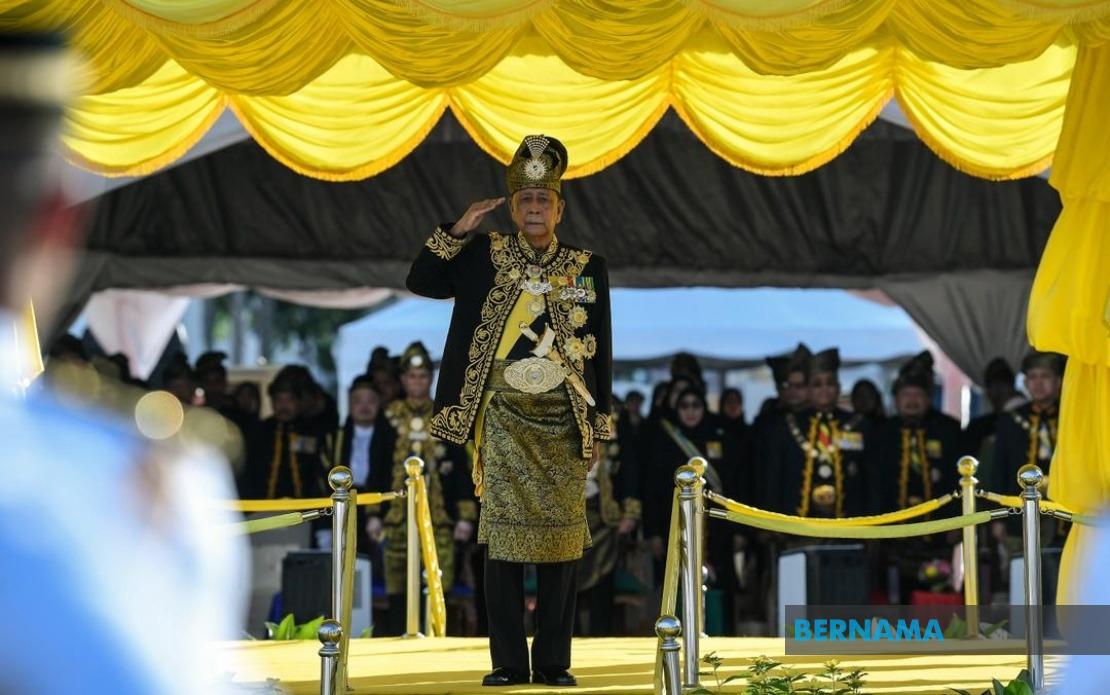
The Sultan of Kedah, Al Aminul Karim Sultan Sallehuddin Sultan Badlishah, marked another milestone on July 5 with a ceremonial guard of honour parade held at Dataran Medan Bandar in Alor Setar to commemorate his 84th birthday. The occasion drew significant attendance from the state's leadership, reflecting the formal recognition afforded to the constitutional monarch in Malaysia's federal system.
Joining the Sultan for the celebration was the Raja Muda of Kedah, Tengku Sarafudin Badlishah Sultan Sallehuddin, alongside the state's chief executive and senior government officials. The gathering included Kedah Menteri Besar Datuk Seri Muhammad Sanusi Md Nor and State Secretary Datuk Seri Norizan Khazali, underscoring the importance the state administration places on royal occasions. Members of the State Executive Council also witnessed the proceedings, demonstrating unified support across the state government.
The centrepiece of the morning's festivities was the military parade itself, which mobilised considerable resources from the armed forces. The 6th Battalion of the Royal Malay Regiment contributed 103 personnel and three officers to execute the ceremony, with Major Muhammad Nasrullah Abdullah directing operations. The precision of such formations requires weeks of preparation, and the soldiers' turnout reflected both the ceremonial importance and the tradition of honouring Malaysian royalty through military pageantry.
Visuual splendour characterised multiple aspects of the event. Lieutenant Mohamad Aiman Hanif Samsudin carried the national colours while Warrant Officer 1 Mohd Fairuz Ramli bore the regimental standard, positions of considerable honour within military protocol. The parade formation was reinforced by the presence of the RAMD Central Band, conducted by Captain Muhamad Fauzee Japar with assistance from Sergeant Mohd Shahrilaizad Bakhtiar, whose musical accompaniment added ceremonial gravitas to the proceedings.
The aerial component of the celebration demonstrated the breadth of military involvement in such occasions. Two EC120B helicopters from the Flying Training Institute (INSPEN) 2 conducted a ceremonial flypast, while three PC-7 MK II training aircraft from INSPEN 1 participated in the aerial display. Such participation reflects how various military branches and training institutions contribute resources to significant state occasions, turning celebrations into demonstrations of national capability and coordination.
The thunderous accompaniment of artillery added the traditional final flourish to the ceremony. The 41st Battery of the Royal Artillery Regiment, stationed at Sungai Buloh Camp in Selangor, discharged a 21-gun salute under the command of Major Hafizan Md Ghani. This ancient military tradition, preserved in modern Commonwealth realms including Malaysia, carries deep symbolic weight, signalling respect and recognition of the Sultan's constitutional position as head of state.
For Malaysian readers, such ceremonies represent more than mere pageantry. The Sultan of Kedah occupies a unique constitutional position within Malaysia's federal structure, serving not only as the state ruler but also participating in the national conference of rulers that advises on matters of national importance. The elaborateness of birthday celebrations reflects broader Malaysian values regarding respect for monarchy and the continuity of constitutional traditions established during the nation's independence.
The participation of military units from across Malaysia, including formations stationed in other states such as Selangor, demonstrates how royal occasions create opportunities for inter-state military coordination and showcase the nation's capacity for ceremonial organisation. Such events serve as visible expressions of national unity and institutional strength, particularly important in a federal system where state and federal authorities must maintain clear protocols and mutual respect.
From a regional perspective, Malaysia's continued observance of such traditional ceremonies distinguishes it within Southeast Asia's varied constitutional frameworks. While some neighbouring nations have moved away from elaborate royal ceremonialism, Malaysia has maintained these practices as integral to its political culture and national identity. The Sultan of Kedah's 84th birthday parade exemplifies how traditional protocols remain embedded within modern Malaysian governance structures.
The event also carries significance for understanding the practical functioning of Malaysia's constitutional monarchy. Unlike ceremonial heads of state in some democracies, Malaysian sultans exercise real constitutional authority within their respective states. The formal military recognition afforded to the Sultan of Kedah underscores the substantive nature of these positions and their continued importance in state governance and public life.
Looking ahead, such ceremonies will likely continue to characterise Malaysian public life, particularly as the nation maintains respect for established constitutional traditions. The 84th birthday celebration demonstrates how institutions adapt traditional practices to contemporary contexts whilst preserving their essential meanings and functions within Malaysia's political framework.

