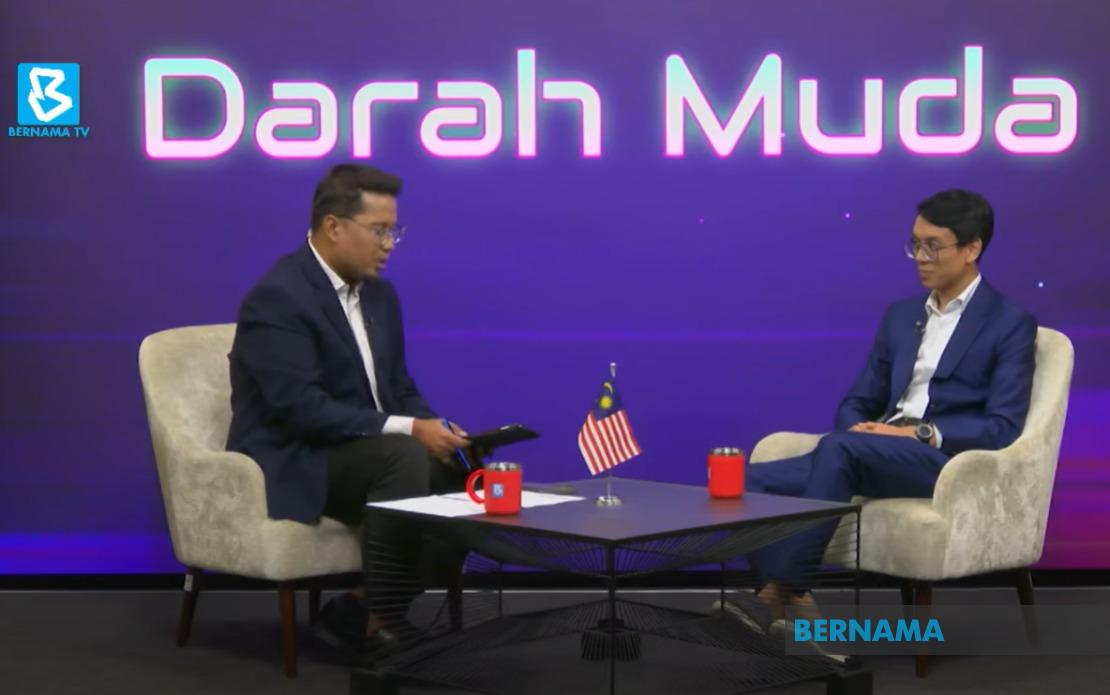
Preventing a fresh round of institutional failures at Lembaga Tabung Haji (TH) demands more than surface-level reforms—it requires a fundamental shift toward professional leadership and stringent governance standards that prioritize the interests of depositors over other considerations, according to economic policy experts weighing in on the institution's troubled history.
Mohamad Ikmal Ahmad Nordin, a data analyst with IKRAM Malaysia's Economic Agenda Team, has argued that while TH has undertaken recovery measures since its previous difficulties, the organisation must address deep structural weaknesses laid bare by the Royal Commission of Inquiry report. The broader challenge, he contends, involves examining not just individual wrongdoings but the systemic failures that allowed problems to flourish unchecked. This diagnostic approach is essential if genuine reform is to take root rather than merely patching over underlying dysfunction.
At the heart of the reform agenda sits a critical issue: TH operates simultaneously as a religious and financial institution, yet its leadership structure may not reflect this dual mandate. Nordin emphasizes that positions of authority within TH should be populated by individuals with demonstrable expertise in fund management, accounting, and actuarial science. The institution manages billions in deposits from ordinary Malaysians saving for one of Islam's Five Pillars, making financial competence non-negotiable. When those overseeing such responsibilities lack basic literacy in financial statements or investment strategy, the stage is set for mismanagement and potential misconduct.
He suggests a structural remedy: separating TH's religious and administrative functions from its financial operations. The Department of Islamic Development Malaysia (JAKIM) or the relevant religious ministry could assume responsibility for Hajj logistics and spiritual oversight, while TH refocuses as a specialized financial institution led by qualified professionals. This division of labor would allow each function to be performed by those with appropriate expertise, reducing conflicts of interest and clarifying accountability.
For Malaysia's younger generation, institutional reform at TH carries particular weight. Young people contemplating the Hajj face escalating costs and limited financial vehicles to accumulate the necessary funds. Better governance and more sophisticated financial management at TH could unlock new savings schemes and investment instruments designed specifically for younger depositors, making the pilgrimage accessible to a broader demographic. Nordin stresses that young Malaysians themselves must champion these reforms, as they understand intimately the financial pressures of saving for religious obligations while managing contemporary living expenses.
The path forward requires not merely replacing corrupt individuals but fundamentally reorienting TH toward its original charitable mission. Public confidence, eroded by scandal, will only be restored through demonstrable commitment to depositors' welfare. This extends beyond prudent investment of funds to exploring innovative mechanisms that directly facilitate Hajj participation—whether through preferential financing schemes, cost-reduction initiatives, or collaborative arrangements with travel operators and accommodation providers.
Simultaneously, forensic audits of TH-related companies must proceed comprehensively rather than selectively. Investigations that address isolated incidents while leaving other questionable transactions unexamined risk repeating the same pattern: problems resurface later because the underlying system was never genuinely purified. Nordin advocates for thorough audits that map the complete flow of funds through TH-linked entities, identify beneficiaries of questionable transactions, and establish a factual record preventing revisionist interpretations of what occurred.
The governance imperative extends beyond Malaysia's borders, offering lessons for other Muslim-majority nations operating Hajj-focused financial institutions. Institutional design, leadership selection, and oversight mechanisms directly determine whether such organizations serve depositors faithfully or become vehicles for personal enrichment. Malaysia's experience with TH demonstrates that even well-intentioned institutions serving a sacred purpose require the same rigorous governance standards applied to conventional financial firms.
Moving forward, TH's recovery cannot rely on incremental adjustments or cosmetic leadership changes. The institution demands a comprehensive reset grounded in meritocratic recruitment, professional standards, transparent decision-making, and robust internal and external oversight. Only through such sustained commitment to excellence can TH earn back public trust and fulfill its fundamental obligation to ordinary Malaysians entrusting their Hajj savings to its stewardship.

