Malaysia's growing elderly demographic faces a pressing public health challenge that remains largely underappreciated: the devastating impact of falls and fractures on quality of life. Dr Adibah Ali, owner of FitLab gymnasium in Kuching, is sounding an urgent call for increased community awareness about how structured muscle-strengthening exercises can dramatically reduce these preventable injuries among senior citizens.
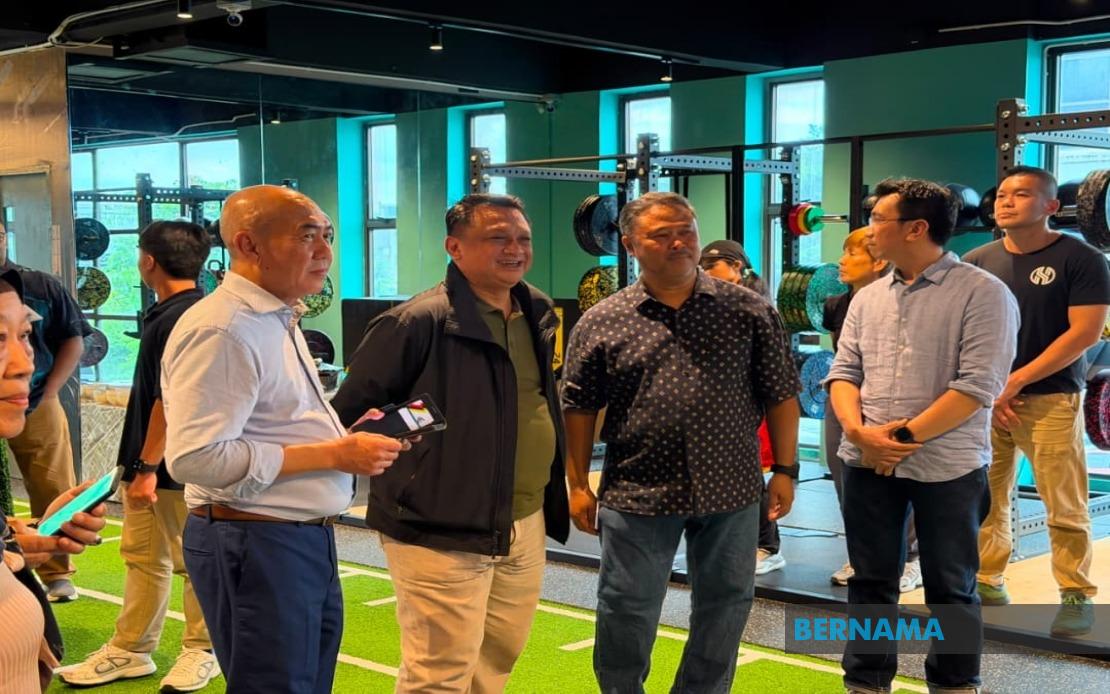
During a recent royal visit to her facility by the Raja Muda of Perlis, Tuanku Syed Faizuddin Putra Jamalullail, accompanied by the Raja Puan Muda of Perlis, Tuanku Dr Lailatul Shahreen Akashah Khalil, Dr Adibah articulated the medical reality confronting Malaysia's healthcare system. Her two decades of experience as a consultant breast and endocrine surgeon in hospital settings have provided firsthand observation of the cascade of problems triggered by fall-related injuries in older patients. Ward after ward, she witnessed elderly admissions stemming from preventable fractures, each one representing not merely a medical episode but the beginning of functional decline that can spiral into loss of independence.
The core message Dr Adibah emphasises challenges widespread misconceptions about strength training. She stresses this is not about achieving dramatic muscular physiques or aesthetic bodybuilding outcomes. Rather, the objective centres on fortifying skeletal structures, stabilising joints, and enhancing neuromotor coordination and balance. When elderly individuals engage in appropriate resistance and functional movement training, they develop the muscular reserves necessary to catch themselves during stumbles, maintain stability on uneven surfaces, and navigate environmental hazards with greater confidence. The physiological adaptations extend beyond mere muscle enlargement to encompass improvements in proprioception, reaction time, and overall postural control.
Beyond injury prevention, strength conditioning enables older Malaysians to sustain independence in routine domestic tasks that directly influence dignity and self-determination. Climbing stairs without assistance, rising from seated positions, carrying groceries, and maintaining balance while reaching for objects become feasible when foundational strength exists. These seemingly mundane activities represent the actual currency of quality of life for seniors, determining whether they remain embedded within family and community structures or become progressively isolated through dependency.
Recognising this gap between evidence and practice, FitLab has committed to developing specialised fitness classes specifically designed for older adults, taking into account their unique physiological requirements and safety considerations. The gymnasium is simultaneously pursuing collaboration with Pusat Aktiviti Warga Emas (PAWE), the national seniors activity centre, to broaden accessibility and institutional support for elderly fitness participation. Such partnerships represent a practical pathway for scaling behavioural change across communities.
Sarawak's Deputy Minister of Youth, Sports and Entrepreneur Development, Datuk Gerald Rentap Jabu, affirmed the regional government's commitment to promoting active lifestyles among older citizens, particularly as those aged 50 and above constitute an expanding demographic segment across the state. Beyond conventional physical conditioning, he identified the necessity for multifaceted programming that simultaneously engages cognitive function. Mental stimulation activities such as chess, which demands strategic thinking and analytical capability, complement physical training to create holistic wellness approaches that address both bodily and neurological ageing.
This integrated perspective reflects contemporary gerontological understanding that successful ageing requires simultaneous attention to physical capacity, cognitive vitality, and psychosocial engagement. The proposed collaboration between fitness facilities and community centres like PAWE offers a structural framework for delivering such comprehensive programmes at scale, moving beyond isolated gym memberships to community-embedded interventions.
Malaysia's situation mirrors broader Southeast Asian demographic trends, where rapidly expanding elderly populations have outpaced corresponding investments in preventive health infrastructure and community-based interventions. The economic burden of fall-related hospitalisations, rehabilitation, and long-term care represents a significant drain on family resources and public healthcare systems. Prevention through early adoption of strength training offers compelling return-on-investment compared to treating fractures, managing complications, and supporting prolonged disability.
Yet awareness remains strikingly low among the target population, suggesting the gap lies not in scientific evidence but in public education, accessibility, and cultural attitudes toward ageing. Many older Malaysians and their families may incorrectly assume that exercise becomes risky or inappropriate at advanced ages, or that physical decline represents an inevitable and untreatable aspect of growing old. Overcoming these misconceptions requires sustained messaging from respected medical professionals, celebrity endorsement through high-profile participation such as the royal visit, and integration of strength training into mainstream geriatric care recommendations.
The path forward demands coordinated action across multiple sectors. Healthcare providers must routinely screen elderly patients for fall risk and prescribe individualised exercise programming as preventive medicine. Community centres, gyms, and public recreational facilities need to develop programming specifically targeting seniors, with trained instructors competent in age-appropriate exercise modification. Policymakers should explore incentive structures encouraging older adults to participate, whether through subsidised memberships or insurance benefits recognising prevention investments. Media campaigns can normalise strength training for older populations, transforming outdated perceptions about physical capacity in later life.

