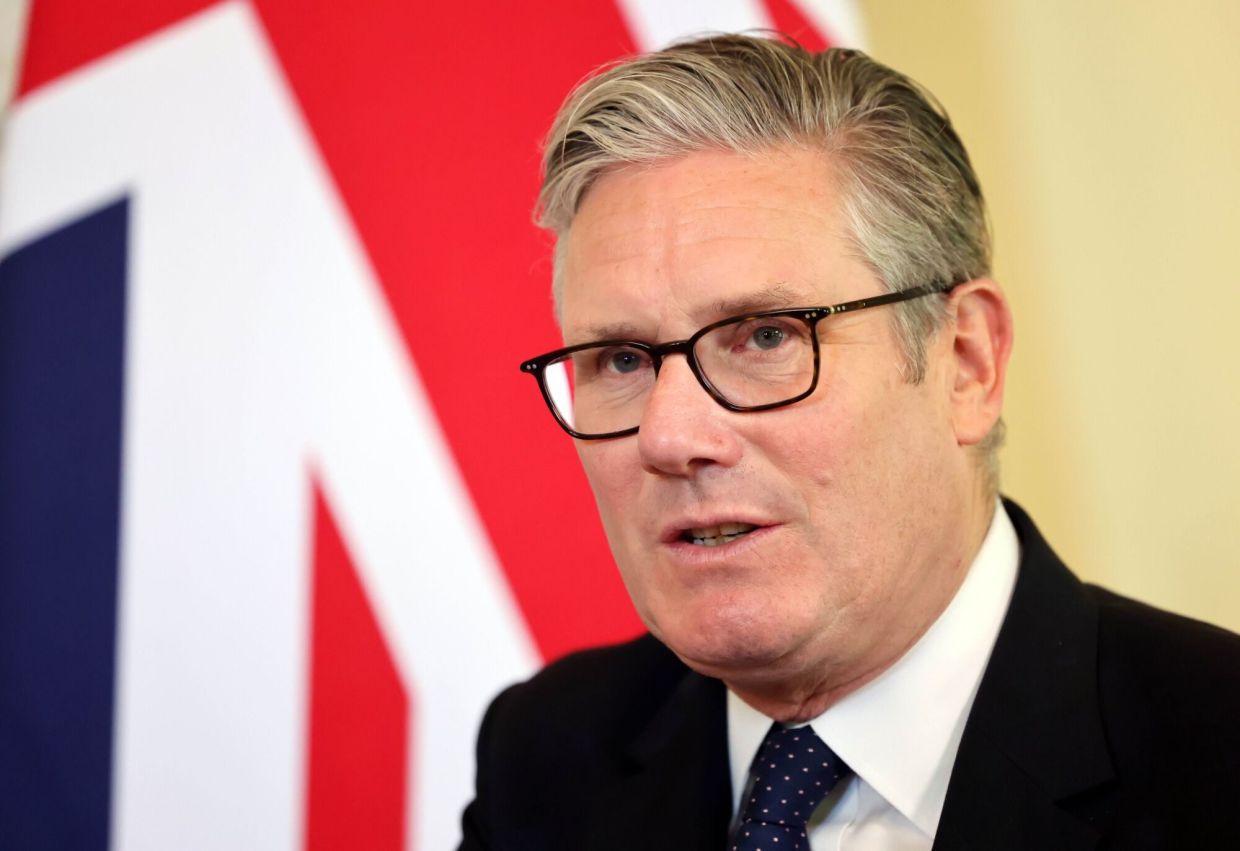
Prime Minister Keir Starmer is set to unveil a sweeping package of safeguards aimed at shielding young Britons from online harms at the start of a critical week for his government. The announcement, expected Monday morning, will include prohibiting children under 16 from accessing major social media platforms, imposing time restrictions on older teens, and implementing strict controls on chatbot technology. Starmer will then travel to Évian-les-Bains for a Group of Seven gathering, where he confronts difficult discussions regarding last week's defence secretary departure and budgetary uncertainties for Britain's armed forces.
The proposed measures have garnered public backing, though questions persist about implementation feasibility. According to sources briefed on the policy, the UK legislation will surpass the scope of comparable restrictions introduced in Australia, where a teen social media prohibition took effect last year. Starmer framed the decision in moral terms, stating: "This is a choice about whose side we're on: families across the country, or a status quo that isn't working."
The government's push for such a comprehensive ban has drawn sharp criticism. Ian Russell, whose teenage daughter died by suicide in 2017 after exposure to damaging online material, condemned Starmer for potentially rushing the policy for political advantage. Several Labour ministers question whether the government moved too hastily, given that public consultation on youth protection concluded barely three weeks prior. The opposition Liberal Democrats lambasted the approach as "rushing through a half-baked policy just to secure a political legacy."
Starmer faces mounting political pressure with Thursday's by-election in Makerfield in northwest England. Labour candidate Andy Burnham is favoured to win the seat, but his anticipated victory could trigger an internal party challenge to Starmer's leadership, potentially paving the way for a summer contest for the premiership. The timing has intensified scrutiny over whether announcement strategies serve genuine policy aims or electoral positioning.
Meanwhile, the government attempts to stabilize following recent ministerial departures. Defence Secretary John Healey and junior defence minister Al Carns resigned last week, along with two additional aides, with Healey citing insufficient military spending increases amid security threats from Russia and other adversaries. Culture Secretary Lisa Nandy signalled Sunday that officials continue seeking budget reallocations from other areas to strengthen defence capabilities, telling the BBC: "Negotiation is happening as we speak." A more substantial funding increase would allow Starmer to honour commitments to allied nations, though it risks accusations of reversing course after Healey's departure.