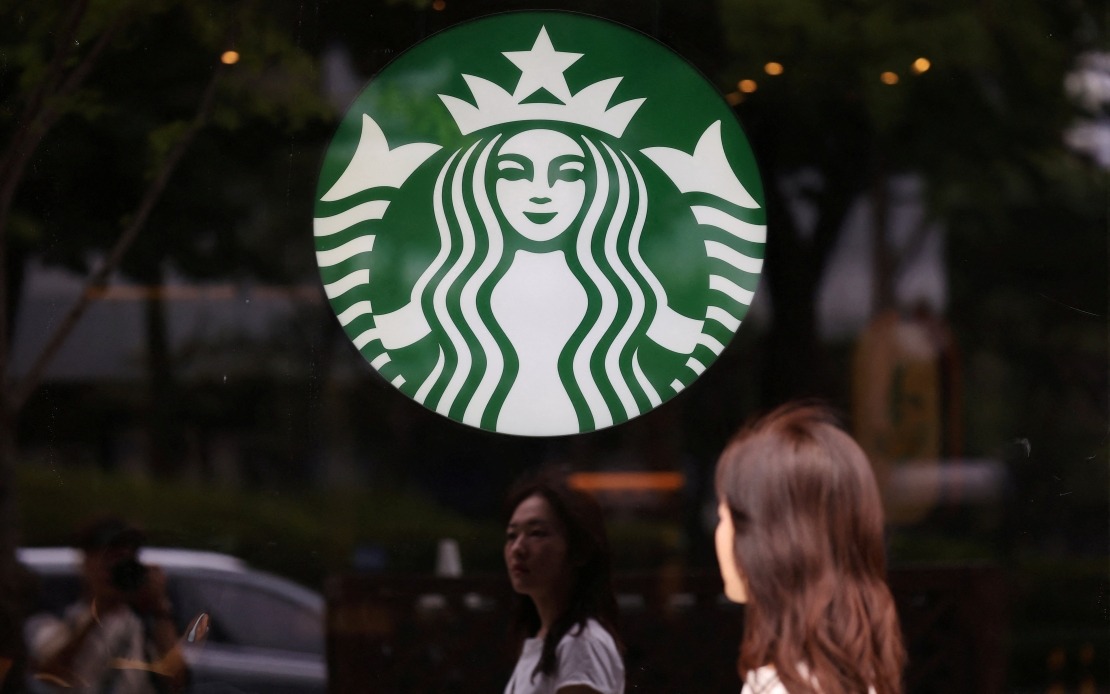
Starbucks Korea took the unusual step of shuttering all 2,000 outlets across the nation on Monday afternoon to conduct compulsory historical education sessions for staff, a dramatic response to a public relations crisis that has exposed the fraught relationship between commerce and national memory in South Korea. The unprecedented closure underscores how deeply the country's traumatic democratic transition continues to resonate within corporate decision-making, and the extreme measures companies now undertake to recover from perceived slights against that legacy.
The controversy stemmed from a promotional campaign launched by Shinsegae, the South Korean retail conglomerate that holds the franchise licence for Starbucks operations in the country. Last month, the company unveiled a stainless steel thermos product branded as the "SS Tank" and declared May 18 as "Tank Day" to commemorate the product launch. What appeared to be a straightforward marketing initiative instantly triggered widespread public outrage, as May 18 carries profound significance in Korean collective consciousness.
On May 18, 1980, the South Korean military government brutally suppressed a pro-democracy uprising centred in the city of Gwangju, deploying armoured tanks and military personnel to crush civilian protesters demanding democratic reforms. The crackdown resulted in hundreds of deaths and became a defining moment that mobilised national commitment to democratic governance. For millions of South Koreans, the date represents sacrifice and the struggle for fundamental freedoms—making its association with a commercial product launch deeply offensive to public sensibilities.
The backlash was swift and severe. Social media platforms erupted with calls for widespread boycotts of Starbucks, with consumers viewing the campaign as a callous or tone-deaf co-optation of national tragedy for commercial gain. Within mere hours of the campaign's launch, Shinsegae withdrew the promotion entirely, but the damage to the brand's reputation had already crystallised. The incident exposed a critical gap between corporate marketing departments and historical awareness, raising questions about internal review processes that permitted such messaging to reach the public.
While the abbreviation "SS" technically referred to stainless steel in this context, the company's choice to use this particular acronym compounded the controversy, as the same letters historically represent Adolf Hitler's paramilitary organisation. Though this connection appeared secondary to the primary grievance centred on the Gwangju tragedy, it added another layer of international sensitivity and amplified criticism across global media platforms monitoring corporate missteps.
The political establishment wasted no time registering its displeasure. President Lee Jae Myung publicly condemned the campaign on his X account, declaring his fury at what he characterised as inhumane conduct by business interests. His intervention signalled that this was not merely a matter of consumer preference but rather touched upon national values and respect for historical victims—a statement that corporate entities could ignore only at significant cost.
Shinsegae's damage control efforts included a formal apology and the dismissal of the executive deemed responsible for approving the campaign. Following an internal investigation, the company stressed that no deliberate intention existed to dishonour or trivialise the victims of the democracy movement, framing the episode as an unfortunate oversight rather than calculated disrespect. However, such explanations frequently ring hollow in the context of national historical trauma, where the burden of responsibility for cultural sensitivity rests heavily on institutions.
The decision to close all Starbucks outlets nationwide for mandatory historical training represents an escalation beyond typical corporate apology frameworks. By compelling thousands of employees to engage with the historical context of May 18, the company signalled that this incident demanded systemic rather than individual accountability. Such training sessions, while costly in operational terms, serve a dual purpose: they genuinely educate staff about the historical significance they inadvertently trivialised, and they demonstrate to consumers that the company recognises the gravity of its error.
For regional observers, the incident highlights how national historical sensitivities remain potent forces shaping corporate behaviour across East Asia. Unlike Western markets where such controversies might be dismissed as oversensitivity, South Korean society maintains a cultural imperative to protect the memory of those who sacrificed for democratic freedoms. Multinational corporations operating in the region must navigate these expectations with particular care, as missteps carry reputational consequences far exceeding those encountered in less historically fraught markets.
Seoul police investigation into the circumstances surrounding the campaign adds another dimension to the unfolding saga. While Shinsegae's explanations emphasise unintentional error, the police investigation signals that authorities regard the matter as potentially warranting scrutiny beyond corporate accountability mechanisms. This reflects the seriousness with which South Korean society treats historical commemorations and suggests that laws protecting national historical dignity may have been implicated.
The broader lesson extends to multinational enterprises and their local partners throughout Southeast Asia and beyond. Historical consciousness varies dramatically across markets, and marketing strategies developed for global application require rigorous localisation and cultural vetting. The Starbucks Korea episode demonstrates that the reputational cost of such oversights—measured in lost sales, mandatory store closures, and executive terminations—far exceeds investment in cultural training and historical awareness programmes.
Looking forward, the incident may prompt other international brands operating in South Korea and similar markets to conduct comprehensive audits of marketing materials and promotional calendars against national historical chronologies. Corporate social responsibility increasingly encompasses not merely charitable initiatives but also active respect for historical memory and national sensitivities. For Starbucks Korea and Shinsegae, the pathway to reputation recovery depends partly on whether this mandatory training becomes genuine institutional change or merely performative gesture.