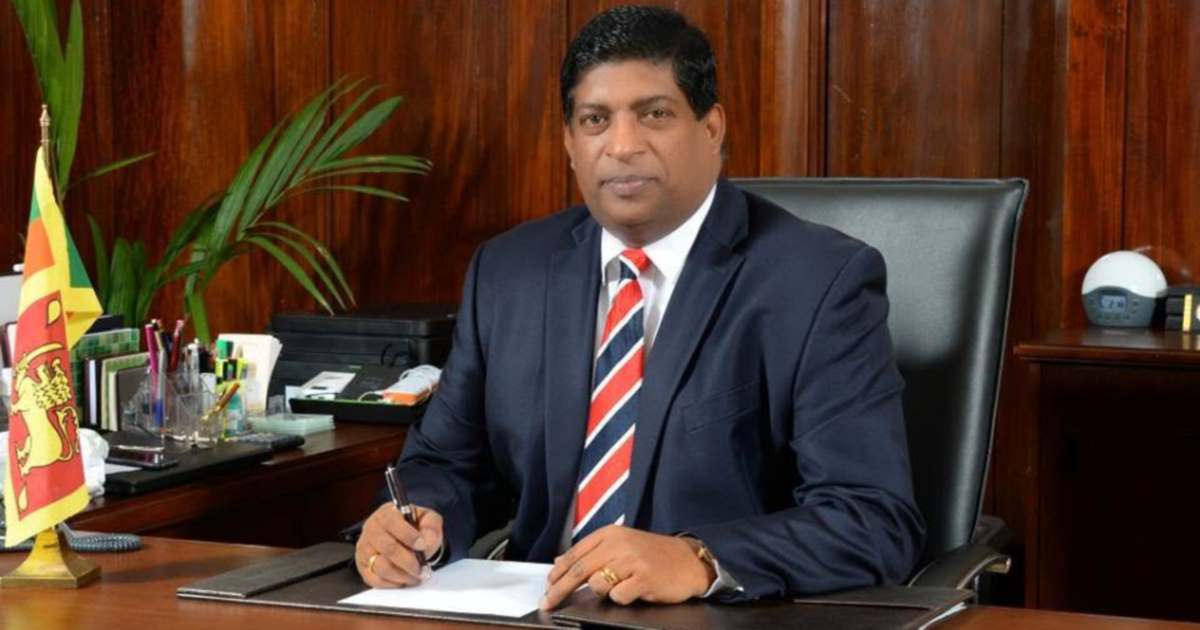
Sri Lanka's former finance minister Ravi Karunanayake was taken into custody on Monday following accusations that he misappropriated government funds to compensate private employees, according to the country's primary corruption investigation agency. The detention marks an escalation in anti-corruption enforcement efforts within the island nation and places fresh scrutiny on financial management during his tenure.
The allegations centre on the allegedly improper transfer of state resources to settle salary obligations for personnel working on private matters, a practice that would constitute a serious breach of public trust and regulations governing the use of government money. Anti-corruption authorities have framed the case as emblematic of the sort of financial misconduct they have prioritised in recent investigations.
Karunanayake, who previously held the pivotal finance portfolio, occupies a significant position in Sri Lanka's political establishment. His arrest signals that no political figure remains insulated from scrutiny by the anti-corruption machinery, a message that carries weight in a nation where perceptions of elite immunity have historically undermined public confidence in institutions. The move reflects broader momentum in holding senior officials accountable for their financial conduct.
The timing of the arrest comes as Sri Lanka continues navigating recovery from a devastating economic crisis that peaked in 2022. During that period, the country faced severe foreign exchange shortages, double-digit inflation, and widespread public anger over governance failures and alleged financial mismanagement across successive administrations. Renewed anti-corruption action signals political commitment to reforming fiscal discipline and institutional accountability.
For Malaysian observers and regional policymakers, the Karunanayake case offers instructive lessons about institutional resilience and anti-corruption enforcement. Malaysia's own experience with high-profile investigations into political figures has demonstrated both the potential and the pitfalls of pursuing corruption cases against powerful individuals. The efficacy of Sri Lanka's anti-corruption body will partly depend on whether investigations remain insulated from political interference and whether judicial processes deliver outcomes perceived as legitimate across competing political factions.
The broader Southeast Asian context renders such accountability mechanisms particularly relevant. Nations across the region have grappled with balancing anti-corruption imperatives against allegations that enforcement becomes weaponised during periods of political transition. Sri Lanka's approach to Karunanayake's case will likely be monitored closely by international observers and regional partners concerned with governance standards and rule of law.
Public sector financial discipline carries particular weight in Sri Lanka's recovery trajectory. The country has been operating under International Monetary Fund oversight following its bailout programme, with external monitors reviewing fiscal governance and institutional controls. High-profile corruption prosecutions may support Sri Lanka's credibility with international creditors and assist in demonstrating political will to combat the systemic governance failures that contributed to economic collapse.
The detention also reflects changing political dynamics within Sri Lanka's leadership structures. Successive administrations have emphasised anti-corruption positioning as central to their reform mandates, recognising that public trust in government legitimacy depends partly on visible action against financial wrongdoing. Whether such enforcement remains consistent across political transitions will substantially influence perceptions of institutional independence.
For investors and businesses operating in Sri Lanka and the broader region, the arrest underscores that financial accountability mechanisms are functioning, potentially improving the overall governance environment. However, questions persist about whether enforcement reaches across all political constituencies evenly or becomes concentrated against particular factions, a concern that affects risk assessments and institutional confidence.
The case will likely proceed through Sri Lankan courts, where outcomes will demonstrate the judiciary's capacity to handle politically sensitive cases while maintaining public confidence. Previous high-profile corruption trials in the region have sometimes faced criticisms regarding delays, perceived bias, or inconsistent sentencing, factors that influence both domestic legitimacy and international perceptions of rule of law.
Regional implications extend to how Sri Lanka's experience influences governance conversations across South and Southeast Asia. Nations managing post-crisis recoveries or facing pressure to strengthen institutional accountability will observe whether anti-corruption enforcement successfully restores public trust or becomes perceived as politically motivated, a distinction that determines the actual strengthening of governance versus mere performative action.
The investigation into Karunanayake represents a significant moment in Sri Lanka's broader institutional reform process. Success in prosecuting former finance ministers for alleged misuse of public funds would constitute meaningful progress in holding political elites accountable. Conversely, if the case falters or appears compromised, it would reinforce public cynicism about whether systemic change has genuinely taken root within Sri Lanka's governance structures, with ripple effects across regional assessments of institutional strength and reform credibility.

