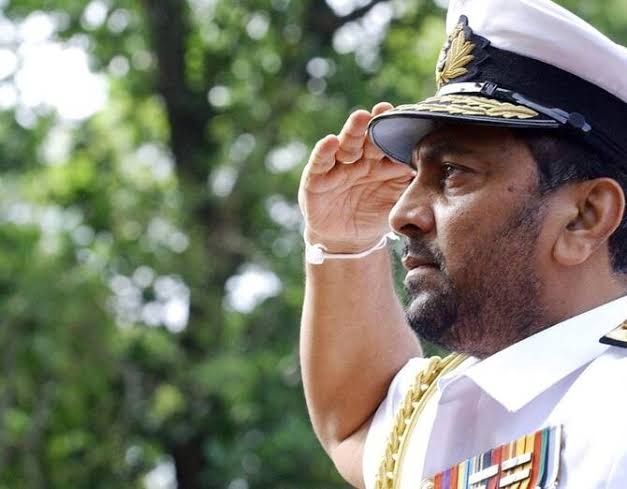
Authorities in Sri Lanka have taken into custody Admiral of the Fleet Wasantha Karannagoda, 73, following an investigation by the Bribery Commission into allegations that he corruptly facilitated the recruitment and overseas training of Yoshitha Rajapaksa, the 38-year-old son of former president Mahinda Rajapaksa. The arrest on Friday underscores the intensifying legal pressure facing the Rajapaksa family since the election of President Anura Kumara Dissanayake in September 2024, who campaigned on a platform of rooting out corruption and addressing unresolved high-profile crimes from the past.
Karannagoda stands accused of circumventing required qualifications to enable Yoshitha Rajapaksa's enlistment in the navy in 2006, an era when the former president's administration was consolidating power. The corruption allegations centre on claims that the admiral abused his position to provide preferential treatment to a politically connected individual, bypassing established recruitment standards that apply to ordinary citizens. This case represents part of a wider pattern of nepotistic favouritism that characterised the Rajapaksa presidency, in which family members received prominent government positions and special access to state resources.
Karannagoda's own tenure as navy commander spanned a significant period in Sri Lankan history. He held the position when the island's protracted Tamil separatist conflict, which had lasted decades and claimed thousands of lives, formally concluded in 2009. His elevation to the rank of Admiral of the Fleet occurred in 2019, yet he has maintained no active operational role within the navy since then. The timing of his arrest reflects the new administration's willingness to revisit decisions and conduct from the Rajapaksa era, including actions taken by military figures who enjoyed prominence during that government's rule.
Yoshitha Rajapaksa's legal troubles extend well beyond his father's tenure. The younger Rajapaksa was arrested last month on charges related to the misuse of public funds for naval training at Dartmouth, Britain's prestigious naval college. He was subsequently released on bail but continues to face prosecution. The Bribery Commission's formal statement declared that Karannagoda had committed corruption in facilitating Yoshitha's recruitment and overseas training, cementing the official position that improper influence was wielded to secure advantages that would not ordinarily have been available to the former president's son.
The broader context of Karannagoda's arrest involves multiple serious allegations beyond the immediate corruption charges. The admiral has faced accusations related to war crimes and human rights violations dating to the final years of the civil conflict and its immediate aftermath. In March 2025, Britain imposed sanctions on Karannagoda, citing grave concerns about alleged extrajudicial killings and serious breaches of human rights. These international consequences reflect growing scrutiny of figures from that military era, particularly those suspected of involvement in disappearances and unlawful deaths.
Additionally, Karannagoda confronts conspiracy to murder charges connected to the killing of eleven young men between 2008 and 2009, a period when the conflict had technically ended but reports of continued extrajudicial violence persisted. These charges were originally dismissed in October 2021 when Gotabaya Rajapaksa, Mahinda Rajapaksa's younger brother, occupied the presidency. However, President Dissanayake's administration has revived them as part of its commitment to examining unresolved cases from the past. The reversal demonstrates how political transitions in Sri Lanka can fundamentally alter prosecutorial priorities and judicial outcomes.
The revival of cases against military and political figures reflects a broader shift in how Sri Lanka's post-conflict justice system operates. The Dissanayake government has signalled that previous administrations' reluctance to prosecute figures from the Rajapaksa era will no longer constrain investigations. This represents a significant departure from the period when Gotabaya Rajapaksa served as president and actively moved to drop cases against those associated with the military campaign. For regional observers, particularly those concerned with post-conflict accountability, the renewed prosecutions indicate potential momentum toward addressing allegations that had been effectively shelved.
Yoshitha Rajapaksa's own legal predicament encompasses more than the naval training expenditure. He faces criminal investigation for his inability to adequately explain the sources of funds used to purchase residential property during his father's presidency, which lasted from 2005 to 2015. When questioned by investigators, the younger Rajapaksa claimed he had obtained money through the sale of gemstones allegedly gifted to him by his grandaunt. However, the grandaunt subsequently acknowledged she could not satisfactorily account for how she had originally acquired those precious stones, creating a chain of questionable financial transactions that prosecutorial authorities view as suspicious.
The accumulation of charges against various members of the Rajapaksa family and their inner circle demonstrates that Dissanayake's anti-corruption agenda extends far beyond individual figures. Gotabaya Rajapaksa, who served as president until August 2022 before fleeing the country amid public unrest, has recently been subjected to a foreign travel ban on account of alleged involvement in the 2019 Easter Sunday bombings that killed 279 people. This restriction on his movement signals that investigative authorities continue to examine his alleged connections to that devastating terrorist attack, one of the deadliest incidents in modern Sri Lankan history.
For Malaysian observers and regional governance experts, the situation in Sri Lanka offers relevant lessons about the challenges of post-conflict accountability and political transitions. When incumbent administrations change, successor governments often face decisions about whether to prosecute predecessors and their associates for alleged crimes. Sri Lanka's experience demonstrates both the political will required to pursue such cases and the complexity of reviving investigations that earlier governments had terminated. The Dissanayake administration's approach suggests that winning an election on an anti-corruption platform creates expectations and momentum for delivering concrete prosecutorial results.
The cases pending against the Rajapaksa family in Sri Lankan courts remain unresolved, with all charges still awaiting judicial determination. This protracted legal process reflects the intricate nature of corruption and war crimes investigations, which typically demand extensive evidence gathering, witness testimony, and complex procedural steps. As these cases progress through the courts, they will continue to dominate Sri Lankan political discourse and test whether the country's judiciary can deliver verdicts perceived as fair and substantiated rather than politically motivated.
Moreover, the international dimensions of these prosecutions, exemplified by British sanctions against Karannagoda, indicate that Sri Lanka's internal justice mechanisms increasingly operate within a broader framework of international scrutiny and accountability. This interconnection between domestic prosecution and external pressure creates both opportunities for more rigorous investigations and potential complications if local courts perceive external influence. For the region broadly, the trajectory of these cases will influence perceptions of whether post-conflict states can credibly address historical grievances while managing contemporary governance demands.

