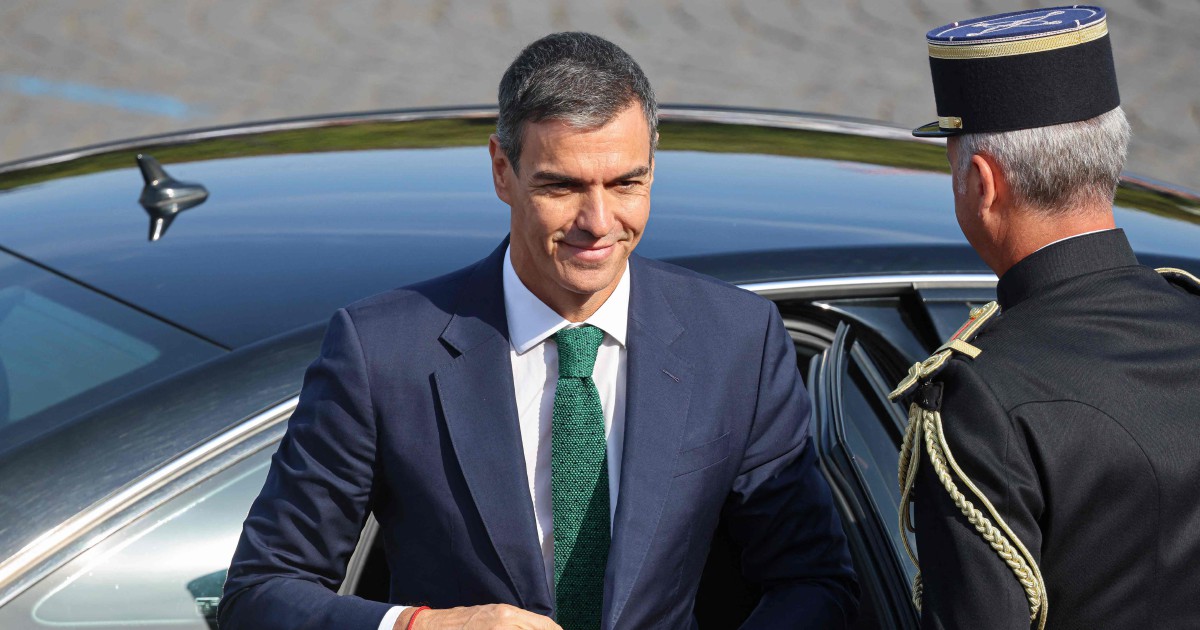
Spain's Prime Minister Pedro Sanchez has used the nation's imminent World Cup final against Argentina as an opportunity to celebrate the exceptional unity of the Spanish national team, offering a moment of collective pride during a period when his government faces persistent graft allegations at home. His remarks underscore how major sporting events often transcend political divisions, allowing leaders to galvanise public sentiment around shared national accomplishment rather than contentious domestic policy debates.
Sanchez characterised the squad as possessing qualities that set it apart from other competing nations, emphasising the remarkable cohesion the players have demonstrated throughout the tournament. The Prime Minister's intervention reflects a broader political calculation: by publicly endorsing and amplifying the team's achievements, he positions himself and his administration alongside popular national sentiment, which can provide valuable political insulation during periods of scrutiny and controversy. This phenomenon is well-established in political science, where governments often benefit from what scholars term the "rally-around-the-flag" effect during major sporting competitions.
The timing of his comments carries particular significance given the backdrop of investigation and allegation surrounding his government's conduct. In Spain, as in many democracies, moments of national sporting achievement provide welcome respite from negative news cycles dominated by institutional accountability questions. By channelling public energy towards the World Cup final, political leaders can effectively compete for media attention and public discourse against coverage of ongoing corruption probes.
Spain's journey to the World Cup final represents a remarkable achievement for a nation that has previously dominated international football. The squad's progression reflects not merely individual talent but the kind of tactical discipline and collective commitment that Sanchez has chosen to highlight. This coherence between players from competing Spanish clubs, each with their own institutional interests and pressures, has evidently impressed observers both within Spain and internationally.
For Malaysian and Southeast Asian readers, the broader political dynamics at play merit consideration. Many nations in the region have experienced how sporting success can reshape political narratives, offering governments crucial opportunities to reset public perception during challenging periods. The phenomenon demonstrates the universal nature of sports' political significance across cultural and geographical contexts.
The Spanish squad's composition and performance record during the tournament provide empirical grounds for Sanchez's characterisation of the team as distinctive. Analysts have noted the high technical standard and seamless integration of tactics that have defined Spain's play, differentiating their approach from more physically dominant competitors. This represents the culmination of sustained investment in youth development systems and coaching infrastructure across the country.
Argentina presents a formidable challenge, bringing their own narrative of national redemption and veteran leadership to Sunday's encounter. The final promises to deliver contrasting playing philosophies and philosophies, with Spain's possession-based game and Argentina's more direct attacking approach creating a compelling tactical contest that has already captured global sporting attention.
The World Cup final will take place against the backdrop of Spain's domestic political challenges, meaning the match outcome will likely carry amplified symbolic weight for the Spanish electorate. Victory would provide Sanchez with powerful political leverage domestically, offering a sustained period during which positive news dominates discourse. Conversely, defeat would return focus swiftly to ongoing investigations and governance questions.
From a Southeast Asian perspective, the intersection of politics and sport demonstrated through Sanchez's World Cup rhetoric serves as a reminder that political leaders across the globe employ similar strategies when managing domestic crises. The universal calculus of how sporting achievement can serve political interests transcends national boundaries and democratic traditions.
As Spain prepares for Sunday's final, the nation stands united across political lines behind the national team—a rare moment of consensus in what has otherwise been a divisive period for Spanish politics. Sanchez's decision to publicly champion the squad reflects a shrewd understanding of this dynamic, leveraging the emotional investment Spaniards have developed in their national football team to create political space during a difficult period of governance scrutiny.

