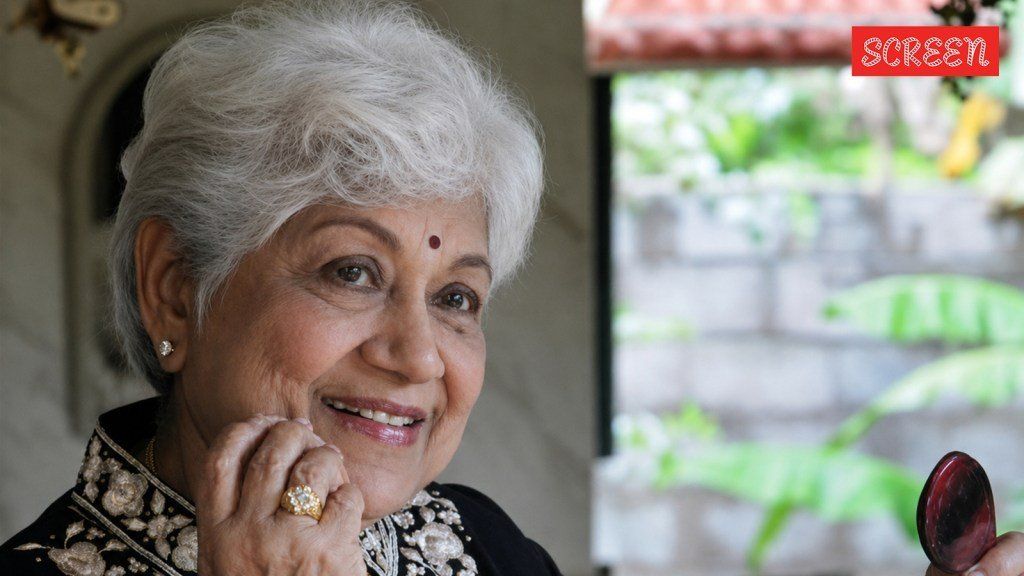
The South Indian film industry mourned the loss of one of its most enduring and respected figures on Friday when Sowcar Janaki, the legendary actress who defined multiple generations of Tamil, Telugu, Kannada and Malayalam cinema, passed away at a private hospital in Chennai at the age of 94. Her death came after a brief spell in intensive care for an age-related illness. Nassar, president of the South Indian Artistes' Association, confirmed her passing and announced that her mortal remains would be placed for viewing at Cenotaph Road in Teynampet from 5 pm onwards, allowing members of the film fraternity and admirers to pay their final respects.
Sankaramanchi Janaki, professionally known as Sowcar Janaki, built an unparalleled career that spanned more than seven decades and encompassed nearly 400 films. Her prolific output and consistency in delivering nuanced performances made her a fixture across South Indian cinema at a time when regional film industries were consolidating their own identities and artistic traditions. What distinguished her work was not merely quantity but the calibre of roles she undertook, often playing strong female characters and, particularly in her later years, becoming the screen mother to some of the region's biggest stars. This versatility allowed her to work with leading heroes across generations, establishing her as a performer whose craft transcended the changing tastes and technical evolution of cinema itself.
Her contributions to the entertainment world were formally recognised through several prestigious honours. She was awarded the Padma Shri, India's fourth-highest civilian honour, acknowledging her lifetime of service to the arts. Beyond government recognition, the film industry itself bestowed upon her the Filmfare Lifetime Achievement Award, a testament to her standing among peers and critics. She also received two Nandi Awards, the highest cinematic honour in Telugu cinema, and the Kalaimamani Award, Tamil Nadu's most significant recognition for contributions to the arts. These accolades collectively underscore how thoroughly she had embedded herself within the cultural consciousness and institutional memory of South Indian cinema.
Janaki's professional journey commenced in 1950, placing her at the genesis of the modern South Indian film industry. She witnessed and participated in the transformation of regional cinema from its early stages through the emergence of studio systems, the rise of stars and auteurs, the technical revolutions from black-and-white to colour cinematography, and ultimately the digital age. Her decision to remain active even into her nineties demonstrated a commitment to her craft that was as remarkable as the breadth of her filmography. Her final Tamil film appearance came in Biskoth in 2020, while her last Telugu project, Anni Manchi Sakunamule, released in 2023, showing that she continued to seek meaningful work well into her final years.
The outpouring of tributes from the film industry revealed the depth of affection and respect in which she was held. Tamil Nadu Chief Minister C. Joseph Vijay articulated his shock at her passing in a statement posted on X, emphasising how Janaki had secured an enduring place in the hearts of audiences across generations through her distinctive and natural approach to acting. He highlighted her remarkable artistic journey and noted that her work across five different language industries—Tamil, Telugu, Kannada, Malayalam and Hindi—was unusual even among accomplished South Indian performers, reflecting her unique appeal and versatility.
Kamal Haasan, one of Tamil cinema's greatest actors, provided a deeply personal tribute that illuminated their professional relationship. He recalled their forty-year collaboration beginning with the film Paarthaal Pasi Theerum, during which she predominantly played his screen mother while he took the lead role. Haasan's reflection revealed how Janaki had been an indispensable talent within the South Indian cinematic ecosystem, particularly favoured by legendary director K. Balachander, who worked with both of them. His emotional tribute, expressing that he bid her farewell with tears in his eyes, underscored how performers of even the highest calibre felt the loss of working with someone of her calibre and experience.
Other prominent actors across the region similarly took to social media to acknowledge her passing. Radhika Sarathkumar characterised Janaki as a strong-willed path breaker and independent spirit, noting their personal connection and professional collaboration, while also highlighting her friendship with Sarathkumar's late father, Mr. Radha, describing their mutual admiration. Jr NTR posted his condolences in Telugu, recognising her indelible mark on both Telugu and Indian cinema more broadly. Chiranjeevi, one of Telugu cinema's biggest stars, similarly wrote in Telugu about her magnificent acting abilities and the diverse roles she had portrayed throughout her nearly seven-decade career, emphasising how she had earned an enduring place in audiences' hearts through her natural performance style.
Prabhudeva and Vishnu Manchu also offered brief but heartfelt tributes, with Manchu specifically urging younger members of the industry to study her career and appreciate her legendary status. This collective response from across generational and linguistic boundaries within South Indian cinema testified to how Janaki's work had transcended temporal and regional boundaries, creating a cultural legacy that actors, directors and audiences across the region felt obligated to honour and commemorate. Her passing represents the loss not merely of an individual performer but of a living connection to the historical development and artistic traditions of South Indian cinema itself.

