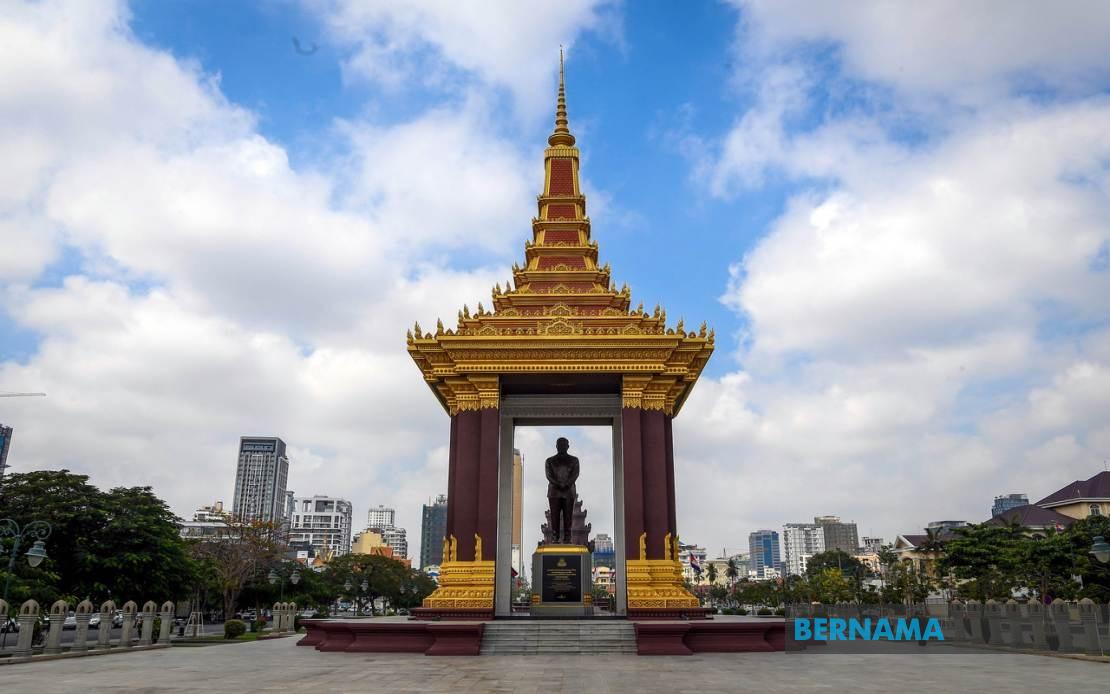
Southeast Asia's political and economic landscape continues to reshape itself through a mix of bilateral partnerships and multilateral initiatives, with nations across the region pursuing distinct yet interconnected development strategies that reflect both regional priorities and global trends in July 2026. Chinese Premier Li Qiang's visit to Cambodia underscored Beijing's strategic commitment to the kingdom, with high-level discussions reaffirming the characteristically robust bilateral relationship that has underpinned Cambodian foreign policy for over a decade. The explicit reiteration of an "ironclad" friendship signals continuity in a relationship that transcends ordinary diplomatic courtesy, reflecting deeper economic, security, and geopolitical alignments that shape Cambodian decision-making across multiple domains.
Cambodia's simultaneous move into artificial intelligence governance demonstrates how smaller Southeast Asian nations are positioning themselves within emerging digital and technological frameworks. The kingdom's status as a founding signatory to the Agreement on the Establishment of the World Artificial Intelligence Cooperation Organisation in Shanghai represents far more than ceremonial participation in yet another multilateral institution. By joining at the ground floor of global AI governance structures, Cambodia signals both its intention to shape the rules governing one of the twenty-first century's most consequential technologies and its recognition that AI development carries implications for sovereignty, economic competitiveness, and social organisation. This dual engagement—deepening traditional partnerships while embracing new technological frontiers—exemplifies how Cambodia navigates between established great powers and emerging domains of influence.
Indonesia's ambitious renewable energy agenda reflects a nation increasingly willing to invest substantially in addressing climate imperatives while simultaneously building domestic manufacturing capacity. President Prabowo Subianto's announcement of up to 50 new ethanol plants demonstrates confidence in both the technological feasibility and commercial viability of biofuel production at scale, a shift that carries significant implications for agricultural economies throughout Southeast Asia. The E20 fuel mandate, requiring at least 20 percent bioethanol blending, represents a meaningful commitment to transitioning away from petroleum dependence—a goal that resonates across an energy-hungry region vulnerable to global crude price volatility and climate pressures. For Malaysia's energy sector and transportation industry, Indonesia's ethanol expansion presents both competitive and cooperative challenges, potentially reshaping feedstock markets and creating opportunities for cross-border energy trade arrangements.
The Indonesian government's commitment to developing a nationally branded electric motorcycle adds another dimension to Jakarta's automotive ambitions. By positioning electric two-wheelers as a strategic industrial sector rather than merely an environmental adjustment, Indonesia recognises the enormous transportation market represented by millions of middle-income households across Southeast Asia. Electric motorcycles represent not only lower-emissions transport but also potential manufacturing employment and technology transfer opportunities. The domestic branding strategy suggests a deliberate effort to build consumer familiarity and nationalist appeal, mirroring successful models in other industries where "national champion" positioning has accelerated adoption and protected market share against international competitors.
Myanmar's coastal management framework, based on green, blue, and circular economy principles, indicates efforts to develop sustainable economic pathways despite the nation's complex recent political history. The Integrated Coastal Management strategy addresses the vulnerability of Myanmar's extensive coastline to both climate impacts and resource depletion, while attempting to balance conservation with livelihood support for communities whose survival depends on marine and agricultural resources. This approach acknowledges that sustainability cannot be pursued in isolation from poverty reduction and rural development—a recognition increasingly shared across developing Southeast Asian economies where millions remain dependent on natural resource sectors.
The Myanmar government's initiative to provide loans through the MSME Development Fund for cotton cultivation and processing demonstrates recognition that agricultural value chains require support beyond traditional farming methods. By targeting infrastructure for cottonseed oil extraction and yarn production, policymakers are attempting to move beyond raw commodity exports toward higher-value manufacturing. This vertical integration strategy within the cotton sector mirrors broader aspirations throughout Southeast Asia to escape resource-dependent economic models. For regional textile and garment producers including Malaysia, Myanmar's cotton sector development could either present supply chain advantages or intensify competition depending on how efficiently the new infrastructure operates and connects to regional manufacturing networks.
Philippines weather developments, while superficially routine, reflect the intersection of climate patterns and development concerns increasingly central to Southeast Asian governance. The southwest monsoon bringing isolated showers and localized thunderstorms illustrates seasonal patterns that carry substantial implications for agricultural productivity, infrastructure resilience, and disaster preparedness across the archipelago. Singapore's anti-drug operations, resulting in 100 arrests and confiscation of more than S$34,000 in narcotics, demonstrate the persistent enforcement challenges facing city-states attempting to maintain strict drug control regimes. These enforcement results highlight how narcotics trafficking represents an ongoing security concern despite aggressive legal frameworks and sophisticated law enforcement capabilities.
Prime Minister Lawrence Wong's assertion that mother tongue languages form a cornerstone of Singapore's education system articulates a vision of national identity development that balances assimilation with cultural preservation. The acknowledgment that mastering mother tongues presents genuine pedagogical difficulties suggests honest recognition of tensions inherent in multilingual societies—a challenge increasingly relevant as Southeast Asian nations manage diverse populations and competing visions of cultural integration. Thailand's global coding champion achievement by Grade 3 pupil Pavin Pattanavekin demonstrates how Southeast Asian youth increasingly compete at international levels in STEM disciplines, foreshadowing potential shifts in regional technological capacity and competitiveness.
Thailand's khao kaeng pricing scheme reveals the complexities of government intervention in informal economies. The Commerce Ministry's 40-baht meal subsidy initiative foundered partly because market realities had already adjusted to similar price points, suggesting that grassroots economic adaptation sometimes outpaces governmental policy design. This phenomenon—where informal sector vendors maintain affordability through operational efficiency rather than margin preservation—indicates sophisticated self-organization within Southeast Asian informal economies that policymakers must understand before implementing top-down interventions. The episode illustrates how development challenges in the region often require appreciation for existing market mechanisms rather than presumption that government programs introduce innovation where none existed.
Across the seven nations surveyed, common threads emerge around balancing growth with sustainability, managing agricultural transformation, investing in technology and human capital, and attempting governance interventions in markets that possess their own dynamics. Whether Cambodia positioning itself within global AI structures, Indonesia building renewable capacity, Myanmar developing coastal economies, or Thailand navigating informal sector dynamics, Southeast Asian nations demonstrate commitment to shaping their development trajectories rather than passively accepting external determination. The diversity of these approaches—from green energy investment to technological governance participation to maritime conservation—reflects both the region's heterogeneity and shared recognition that twenty-first century development requires simultaneous engagement with multiple domains of change.

