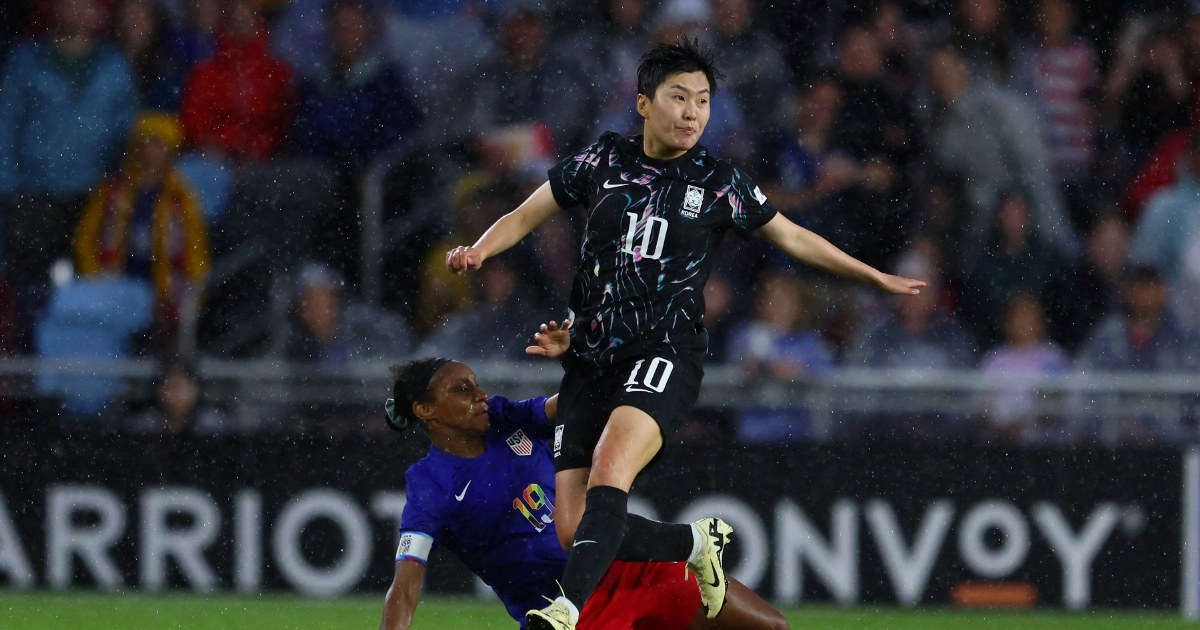
South Korea's national women's football governing body has initiated a formal investigation into serious allegations surrounding inappropriate conduct during a domestic league match. The probe centres on claims that a female referee made insulting remarks about menstruation directed at Ji So-yun, a former Chelsea midfielder and prominent figure in Korean football, marking a significant moment in discussions about professionalism and respect within the sport.
The incident has prompted wider conversation about the standards expected from officials overseeing women's football in South Korea, one of Asia's most competitive women's football markets. Ji So-yun's stature as a player who has competed at elite levels in European football adds considerable weight to the allegations, as such conduct from an official represents a serious breach of the respect and dignity that should characterise professional sports environments.
This development comes amid growing scrutiny of workplace conduct in South Korean sports, where incidents of inappropriate behaviour have increasingly drawn public attention and institutional response. The federation's swift announcement of an investigation signals recognition that such allegations warrant formal examination and that standards of officiating conduct must be maintained at all levels of competition.
The nature of the alleged insult—reducing a player's performance or capability to biological function—reflects a persistent pattern of gendered commentary that undermines women athletes. Such remarks, whether from officials, commentators, or administrators, perpetuate harmful stereotypes and create hostile environments that discourage participation and professional development in women's sports. The incident thus extends beyond individual conduct to represent a systemic challenge facing women's football in the region.
Ji So-yun's career trajectory exemplifies the calibre of talent in South Korean women's football and the international recognition such players can achieve. Her time at Chelsea demonstrated that Korean athletes can compete successfully in the world's most competitive football leagues, making any apparent disrespect from domestic officials particularly troubling and counterproductive to nurturing elite talent.
The involvement of a female referee in making such comments adds another layer of complexity to the situation. It challenges assumptions that women officials would necessarily be more supportive of female athletes and suggests that gender bias can manifest regardless of the referee's own gender. This underscores that combating discriminatory behaviour requires institutional culture change rather than demographic solutions alone.
South Korea's women's football federation faces pressure to demonstrate that its investigation will be thorough and that any substantiated misconduct will result in meaningful consequences. The credibility of women's football as a professional endeavour depends on such accountability, particularly when allegations involve officials whose role is to uphold fair play and respectful conduct.
For Malaysian football and the broader Southeast Asian women's football community, this incident carries instructive value. As women's football continues developing across the region, establishing robust safeguarding protocols and professional standards for officiating becomes increasingly important. Malaysia's own women's football programme, whilst still growing, can benefit from observing how neighbouring federations address such conduct and establish clear expectations for all personnel involved in the sport.
The timing of this investigation also reflects evolving social consciousness around discrimination in sports. In South Korea and throughout Asia, there is mounting recognition that women's athletic participation and professional achievement deserve the same respect and free from gender-based commentary as men's sports. Incidents like this one, when investigated transparently, contribute to shifting institutional norms.
The federation's investigation will likely examine not only the immediate incident but also broader patterns of conduct, training standards for referees, and mechanisms for reporting and addressing such behaviour. These findings could inform policy adjustments that strengthen protection for players and establish clearer guidelines for official behaviour across Korean women's football.
Beyond the immediate case, this situation highlights the importance of creating pathways for players to report inappropriate conduct without fear of professional consequences. Many incidents in women's sports go undocumented because athletes worry that raising concerns might damage their career prospects or standing within their sport. Establishing confidential reporting mechanisms and demonstrating support for those who come forward becomes essential for federation credibility.
The outcome of this investigation will significantly influence perceptions of women's football professionalism in South Korea and potentially across Asia. Whether the federation demonstrates genuine commitment to accountability and cultural change will determine whether similar incidents recur and whether women's football can attract and retain top talent across the region. For Malaysian observers, the case underscores ongoing work needed to ensure women's football environments prioritise dignity, respect, and equal professional standards.

