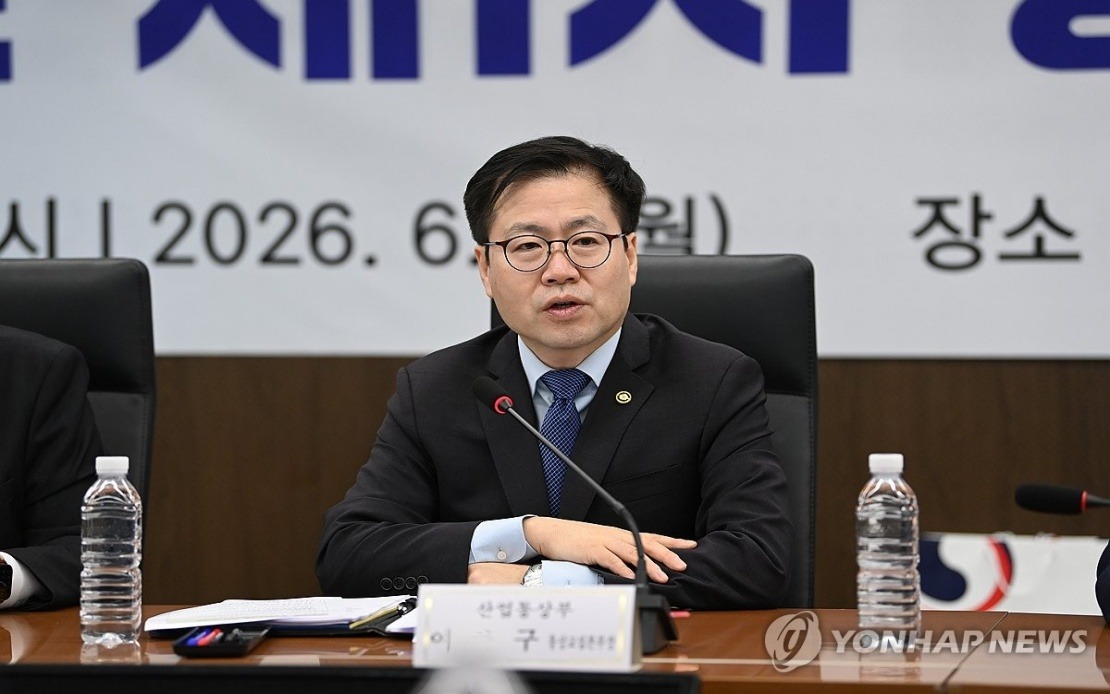
South Korea's chief trade negotiator has been removed from his post, the Ministry of Trade, Industry and Energy confirmed on Saturday, in a move that coincides with intensifying commercial friction between Seoul and Washington. Yeo Han-koo was notified of his dismissal by the Ministry of Personnel Management on Friday, according to government sources, though officials declined to specify the underlying reasons for the decision. The timing has prompted considerable scrutiny given the escalating trade environment between the two allies.
Government spokespeople sought to distance the personnel action from ongoing trade tensions, with one official explicitly stating that the dismissal bore no connection to tariff negotiations with the United States. However, the dismissal occurred against a backdrop of mounting commercial pressures, and Yeo himself moved to forestall suggestions of personal impropriety. In a public statement, he categorically rejected claims of misconduct and indicated his intention to pursue legal remedies against what he characterised as inaccurate reporting. These denials appear designed to maintain confidence in the ministry's institutional stability during a critical negotiating period.
The resignation happens at a particularly delicate moment for Seoul's commercial relationship with Washington. The South Korean government is currently navigating multiple fronts of pressure from the Trump administration, including demands that Seoul accelerate its investment commitments under an existing bilateral trade agreement. Additionally, a separate dispute has emerged regarding penalties South Korea imposed on Coupang, the US-listed e-commerce operator, following a personal data breach. These overlapping conflicts underscore the complexity of managing trade relations with a more protectionist Washington administration.
President Donald Trump's announcement on Thursday substantially escalated the tariff landscape when he signed a proclamation imposing duties of 15 per cent on drone imports and related components originating from South Korea. This action reflects the administration's broader strategy of deploying tariffs as leverage across multiple trading partners and sectors. For Seoul, the measure represents a concrete expression of the commercial pressure that Yeo had been tasked with managing through negotiations, and it illustrates why the position of chief trade negotiator carries considerable political weight and responsibility.
Yeo's background and experience made him a pivotal figure in these discussions. He previously held the position of trade minister during the Moon Jae-in presidency before being reappointed following the launch of the Lee Jae Myung administration in May 2025. His reappointment reflected the new government's recognition of the need for experienced negotiators capable of handling complex bilateral relationships, particularly with the United States. Since his return to the post, Yeo had been directly involved in substantive negotiations over tariff schedules and South Korea's pledged investments in the American market.
For Malaysia and other Southeast Asian economies, the South Korean situation carries broader implications. The region's manufacturing and export sectors face similar pressures from a more assertive US trade posture, and observing how Seoul manages its negotiations provides valuable lessons. The vulnerability demonstrated by the drone tariff—a sector where South Korean firms maintain competitive advantages—suggests that even technologically advanced and strategically allied nations cannot insulate themselves entirely from US protectionist measures.
The dismissal also highlights the domestic political dimensions of trade policy management. When negotiations encounter headwinds, governments often resort to personnel changes as a signal of course correction or renewed commitment. By replacing Yeo, the Lee administration may be attempting to demonstrate to the Trump White House its willingness to take decisive action, while simultaneously managing domestic perceptions that a change in negotiating personnel might unlock progress in stalled discussions. This pattern reflects the precarious position trade negotiators occupy between international pressure and domestic political expectations.
The circumstances surrounding Yeo's departure remain partially opaque, with the government's explicit denial of tariff-related causes inviting speculation about alternative explanations. Whether the dismissal results from policy disagreements, administrative procedure, or other factors remains unclear. This ambiguity itself constitutes a form of diplomatic communication, potentially signalling to Washington that Seoul is responsive to concerns whilst maintaining official decorum about the reasons for the change. The strategic deployment of such ambiguity is common in high-stakes trade environments where all parties monitor signals of commitment and flexibility.
Looking forward, Yeo's replacement will inherit a complex mandate requiring simultaneous management of multiple disputes and the broader challenge of defending South Korean commercial interests against escalating tariff measures. The incoming negotiator will need to balance Seoul's strategic alliance with Washington against the economic imperatives of protecting domestic industries and workers. This balancing act becomes more difficult when the US administration employs tariffs as its preferred policy tool, fundamentally altering the negotiating environment within which Korean trade officials must operate.

