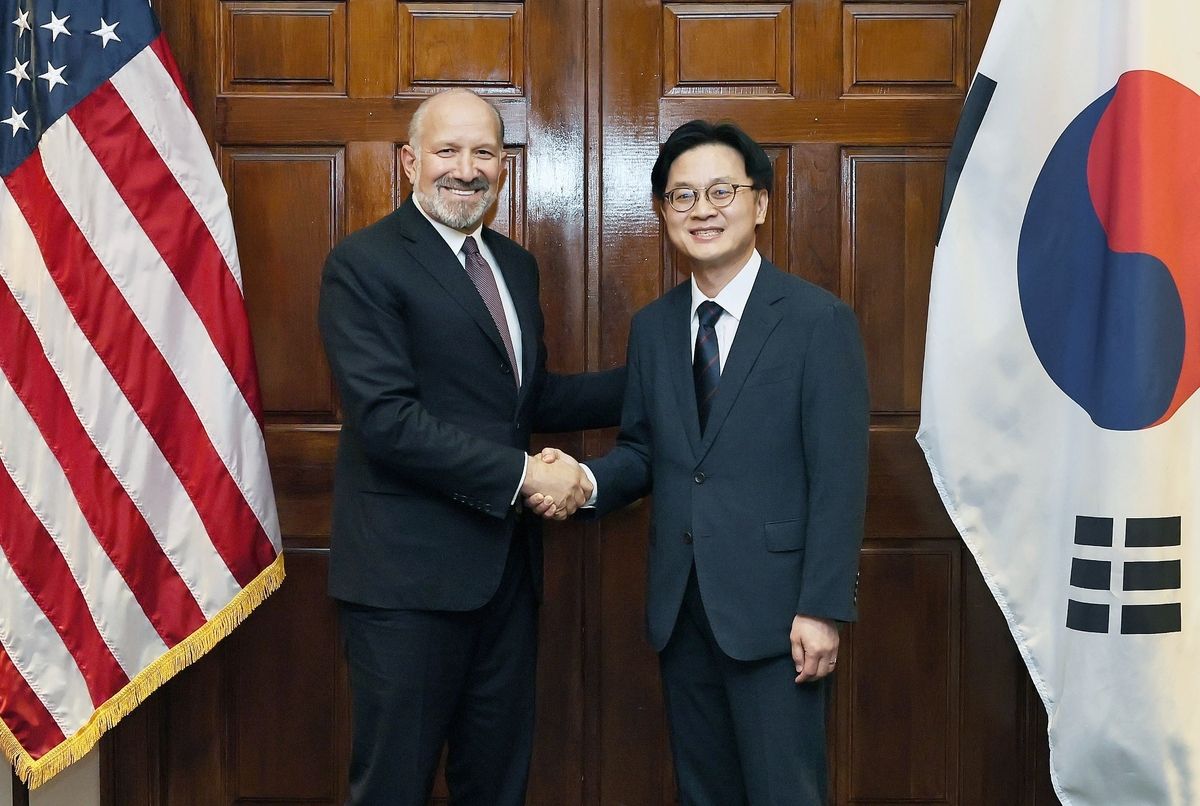
South Korea's Industry Minister Kim Jung-kwan is making a strategic trip to Washington from 22 to 25 July, meeting with top US trade and energy officials at a particularly sensitive moment for bilateral commerce. The visit, announced by Seoul's Ministry of Trade, Industry and Resources, comes as South Korea braces for an imminent US decision on tariff increases stemming from investigations into trade practices and forced labour concerns that could substantially impact Korean exporters across multiple sectors.
The timing of Kim's mission underscores the delicate balancing act Seoul must perform as it seeks to shield its economy from protectionist American policies while simultaneously strengthening strategic partnerships with Washington. An anticipated US announcement under Section 301 of the Trade Act—a provision that allows unilateral tariff action based on investigations into allegedly unfair trade practices—represents a significant threat to Korean manufacturers already facing global supply chain pressures. Local media reports suggest the forced labour investigation could trigger additional tariffs that would further squeeze Korean export margins, particularly in labour-intensive industries.
During his visit, Kim will hold substantive discussions with US Commerce Secretary Howard Lutnick, focusing on how South Korean companies can increase strategic investments within the United States. This approach reflects Seoul's defensive strategy: by demonstrating commitment to job creation and technology transfer in America, South Korea hopes to build goodwill that might soften the blow of incoming tariff decisions. The conversation will also address broader bilateral trade frameworks and investment cooperation mechanisms designed to make Korean capital more attractive to US policymakers.
The minister is also scheduled to meet Energy Secretary Chris Wright, signalling South Korea's interest in deepening cooperation on resource security and energy initiatives. For Seoul, this dimension is particularly important given its heavy dependence on imported energy and raw materials. Closer coordination with the US on these fronts could provide both countries with more resilient supply chains while offering Korean firms opportunities in renewable energy and strategic resource partnerships—areas increasingly central to both nations' economic strategies.
Beyond cabinet-level meetings, Kim plans to engage directly with members of Congress on trade and investment issues. This grassroots diplomatic effort aims to cultivate support among legislators who influence trade policy, a crucial element given that congressional pressure often shapes executive tariff decisions. By building relationships with key Congressional voices, South Korea seeks to create a counterweight to protectionist sentiment and demonstrate the mutual benefits of stable US-Korea trade relations.
The highlight of Kim's agenda is attending the opening ceremony for a South Korea-U.S. Shipbuilding Partnership Center in Washington on Thursday. This facility, established following a May agreement between Seoul's trade ministry and the US Commerce Department, represents a tangible manifestation of bilateral cooperation. The center will serve as an official nexus for collaboration between Korean and American shipbuilding companies, facilitating technology sharing, joint ventures, and coordinated bids on major projects. For South Korea's globally competitive shipbuilding sector, access to US market opportunities and partnership frameworks could offset potential revenue losses from tariff actions elsewhere.
Kim has also signalled his intention to clarify and advance investment projects tied to South Korea's new Strategic Investment in America law, which took effect in June. This legislation provides incentives and support mechanisms for Korean companies establishing operations in the United States, covering sectors deemed strategically important. By working with US officials to define and expedite specific projects under this framework, Seoul hopes to accelerate Korean investment flows into America, creating jobs and political constituencies within the US that benefit from Korean corporate presence.
The broader context of this mission reflects the precarious position Seoul occupies in contemporary US trade politics. Unlike Japan or Europe, which have negotiated relatively stable trade frameworks with Washington, South Korea faces scrutiny on multiple fronts—forced labour investigations, trade imbalances in certain sectors, and intellectual property concerns. Yet South Korea's strategic importance as a US ally and technology leader, combined with substantial Korean investment already present in America, provides negotiating leverage that Seoul is clearly intent on maximising.
Kim's explicit commitment to implementing existing tariff agreements and maintaining stable bilateral trade relations signals Seoul's determination to avoid escalation while seeking accommodation on pending decisions. However, the substantive outcomes of this visit may largely depend on broader US political calculations regarding tariff strategy, Congressional pressure, and the administration's approach to Section 301 investigations across multiple countries. South Korea's best hope lies in convincing Washington that cooperation and investment serve mutual strategic interests better than confrontational trade policies that could destabilise the relationship between two security and technology partners.
The visit occurs as Southeast Asian nations and other US trading partners watch Seoul's approach closely, given that similar tariff threats and investigations target their own exports. How successfully South Korea navigates these negotiations could establish precedents for how other regional economies might engage with Washington on trade disputes. For Malaysian businesses and policymakers, South Korea's experience offers instructive lessons in diplomatic trade management and the importance of diversifying investment across key markets.

