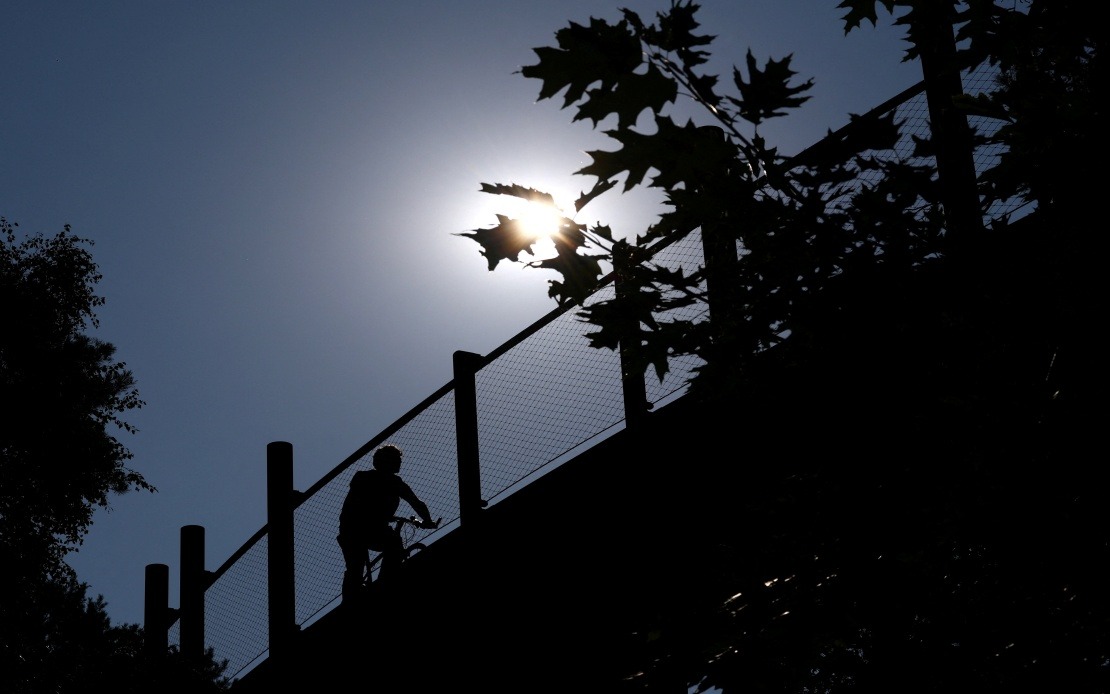
South Korea is confronting a deadly heat crisis as the nation records 21 fatalities linked to extreme temperatures this year, surpassing the previous year's 20 deaths despite actually treating fewer heat-related cases overall. The Korea Disease Control and Prevention Agency confirmed the grim milestone on Wednesday, highlighting how this year's heat wave, though affecting fewer people in terms of total cases, has proven considerably more lethal. The divergence between case numbers and mortality rates underscores a troubling pattern: the intensity of heat exposure has become more dangerous even as fewer individuals seek emergency treatment, suggesting either more vulnerable populations are being affected or exposure conditions are more severe.
According to the agency's surveillance data, which has tracked heat-related illnesses since mid-May, emergency departments across the country have admitted 2,441 patients suffering from heat-related conditions through Tuesday. This figure represents a decline compared to the corresponding period last year, yet the higher death count indicates that the quality and urgency of care, along with underlying health vulnerabilities among those exposed, may differ significantly. The recent tragedy involving a 60-year-old agricultural worker in Eumseong County, North Chungcheong Province, exemplifies the occupational hazards faced by those working outdoors. This death on Tuesday reflects broader concerns about protective measures and rest protocols for outdoor labourers during peak heat periods.
The medical profile of this year's heat victims reveals important distinctions in severity. Heat exhaustion constitutes the majority of cases at 61.7 per cent, representing the milder end of the spectrum. Heat stroke, the most dangerous condition and a frequent cause of death, accounts for 16.8 per cent of documented cases, while heat cramps make up 11.5 per cent. These proportions suggest that while many cases involve manageable exhaustion, a significant minority involve organ-threatening hyperthermia. The elevated fatality rate despite lower case numbers raises questions about whether severely affected patients are being identified and treated promptly enough, or whether certain demographics face heightened vulnerability.
The meteorological situation intensified considerably this week as South Korea's state weather agency issued additional serious heat wave warnings for the greater Seoul metropolitan region, placing nearly 43 per cent of the densely populated area under the highest alert classification. Seoul itself faces expected peak temperatures reaching 39 degrees Celsius on Thursday, creating dangerous conditions across the nation's most congested urban centre where millions reside, often in high-rise apartments lacking optimal ventilation or adequate cooling infrastructure for vulnerable populations. For Malaysian readers accustomed to tropical humidity, South Korean heat waves present a different challenge: they arrive suddenly after milder springs, catching infrastructure and public health systems in catching-up mode, and affect populations less physiologically adapted to extreme temperatures.
The heat wave's timing matters considerably for regional geopolitics and economic activity. South Korea's manufacturing sector, already facing global supply chain pressures, must maintain productivity while ensuring worker safety during dangerous thermal conditions. Companies in semiconductor fabrication, automotive production, and electronics manufacturing must balance output demands against growing occupational health and safety requirements. The agricultural sector, represented by the Eumseong County fatality, represents another critical vulnerability point where seasonal workers often labour without adequate shade, hydration systems, or medical support in remote areas.
Comparing the epidemiological trends year-over-year provides crucial intelligence for public health planning. The 2024 season's higher mortality despite lower case volumes suggests that awareness campaigns and accessible emergency services have successfully encouraged more people to seek treatment before reaching critical stages. However, this also means that those who do require hospitalization represent a sicker population cohort, potentially including elderly individuals, those with pre-existing conditions, and socioeconomically disadvantaged groups with limited access to air conditioning or preventive healthcare. Understanding these demographic patterns becomes essential for targeted intervention strategies.
For Southeast Asian nations including Malaysia, South Korea's heat emergency offers instructive lessons. While Malaysia contends with year-round tropical heat and has developed corresponding public health infrastructure, sudden and extreme heat waves in temperate zones reveal vulnerabilities that existing systems may not address adequately. Malaysian health authorities can observe South Korea's surveillance protocols, emergency response coordination, and public messaging strategies. The Korean Disease Control and Prevention Agency's systematic tracking since mid-May demonstrates the value of formalizing heat-illness surveillance rather than treating such cases as scattered incidents.
The broader climate context cannot be overlooked. Intensifying heat waves across East Asia reflect global warming trends that will increasingly affect the region's 1.4 billion residents. South Korea's experience, like recent heat emergencies in Japan, Thailand, and the Philippines, previews challenges that emergency management systems across Asia must prepare for. Infrastructure investments in cooling centres, improved monitoring systems for vulnerable populations, occupational safety standards during heat events, and public education campaigns represent necessary adaptations.
Moving forward, South Korea faces the immediate challenge of protecting its population through the remainder of summer while implementing longer-term resilience strategies. The disparity between heat-illness case numbers and fatality figures demands urgent investigation into which populations are dying and why. Urban planning that improves air circulation in high-density housing, workplace standards mandating adequate breaks and hydration for outdoor workers, and enhanced emergency medical response capabilities all merit urgent attention. For regional observers, South Korea's unfolding heat crisis represents both a cautionary tale and a case study in real-time public health emergency management.

