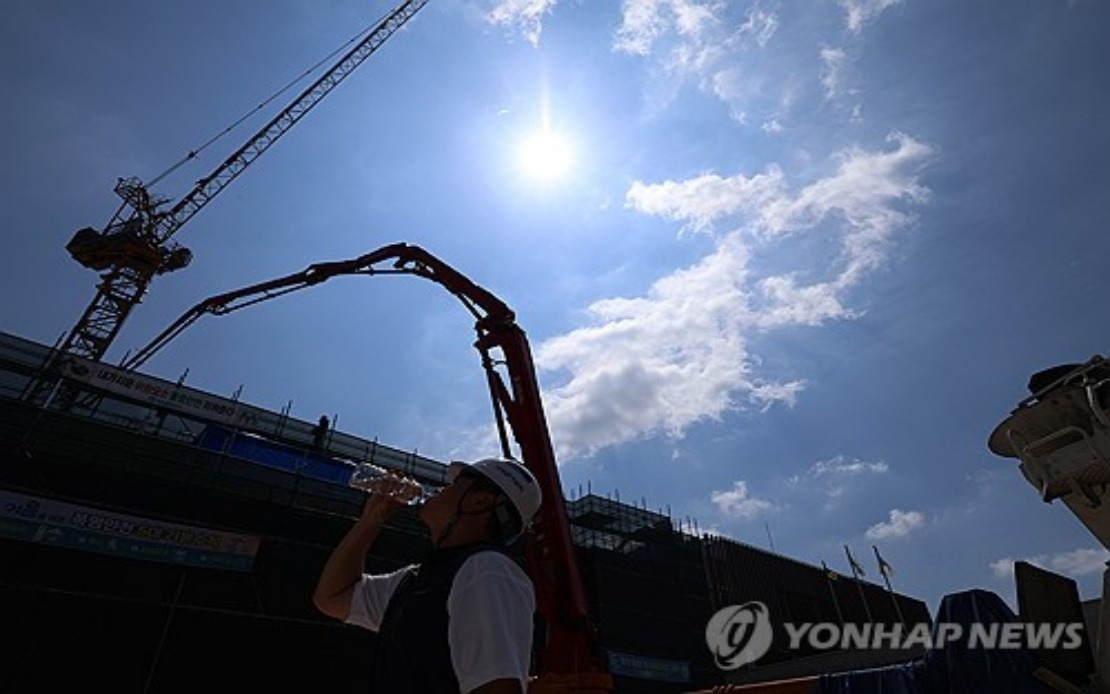
South Korea is experiencing an unprecedented surge in extreme heat that has prompted authorities to escalate warning levels across one of Asia's most densely populated regions. The Korea Meteorological Administration expanded its most serious heat wave alerts on Wednesday to encompass 43 per cent of the greater Seoul metropolitan area, reflecting the intensity and geographic breadth of the current crisis. The expansion brought 20 of the region's 46 land-based weather advisory zones under the highest alert tier, with the warnings taking effect at 11 am across southern Incheon and nine municipalities and districts in Gyeonggi Province, including Gwangmyeong, Yeoncheon and Hwaseong. This represents a significant escalation from the previous day, when Seoul itself became the first area ever to be placed under top-tier warnings since the alert system's introduction on June 1.
The geographic reach of the crisis has expanded beyond the capital region into central South Korea, with Cheongyang in South Chungcheong Province receiving serious heat wave warnings for the first time—a milestone that underscores how the extreme conditions are affecting previously less-affected territories. The Korea Meteorological Administration's activation criteria for such warnings are stringent, indicating the genuine severity of current conditions. Serious heat wave warnings trigger when meteorologists forecast apparent temperatures—which account for humidity, wind and solar radiation—will reach 38 degrees Celsius or higher, or when daily maximum temperatures are projected to hit 39 degrees Celsius or higher. These criteria apply only to regions where the highest apparent temperature has already exceeded 35 degrees Celsius for two or more consecutive days.
The temperature readings being recorded across South Korea suggest the nation is enduring one of its most intense heat episodes in recorded history. The southeastern city of Yangsan has registered a maximum temperature of 42.5 degrees Celsius, establishing a new record since modern meteorological observations commenced in 1904—a 120-year benchmark. Such readings place South Korea in line with some of the most extreme heat events documented in East Asia in recent decades, with implications not only for immediate public health but also for infrastructure, agriculture and economic productivity across the nation.
For Malaysian and Southeast Asian observers, South Korea's heat crisis serves as a cautionary case study. The region experiences monsoon-driven climate patterns distinct from South Korea's temperate climate, yet extreme weather events have become increasingly common across Southeast Asia. Thailand, Vietnam and Malaysia have all recorded exceptional heat episodes in recent years, prompting regional authorities to examine how developed nations manage such crises. The systematic alert framework employed by South Korea's meteorological service, with graduated warning levels and clearly defined temperature thresholds, offers a model that developing economies in Southeast Asia might consider adapting to their own contexts and climate conditions.
The public health consequences of South Korea's heat wave have been substantial and measurable. The Korea Disease Control and Prevention Agency documented 2,221 hospitalisations linked to heat exposure between May 15 and the start of this week, with 19 confirmed fatalities attributable to heat-related causes during the same period. These figures likely underestimate the true burden of illness, as many individuals suffer heat-related complaints without seeking formal medical attention, and attribution of deaths to heat can be complex when multiple comorbidities exist. The vulnerability profile in heat emergencies typically encompasses elderly populations, outdoor workers, individuals with chronic medical conditions and those with limited access to air conditioning—demographic groups that exist across all income levels in modern urban societies.
South Korea's heat crisis reflects broader climate trends affecting East Asia and the wider Pacific region. Scientists have increasingly documented that global warming is intensifying heat waves in duration, geographic extent and peak temperature, with projections suggesting such extremes will become more frequent throughout the 21st century. Urban areas like Seoul experience additional warming due to heat island effects, where concrete, asphalt and reduced vegetation raise ambient temperatures compared to surrounding rural zones. The concentration of South Korea's population in the greater Seoul metropolitan area—which exceeds 25 million residents—means that heat emergencies in this region affect a substantial portion of the nation's total population.
Governmental response mechanisms during heat emergencies involve coordination between meteorological agencies, public health authorities and local municipal governments. The system of graduated warnings aims to trigger proportionate public responses and emergency preparedness measures. At the most serious alert level, government agencies typically recommend that vulnerable populations remain indoors in air-conditioned spaces, increase public cooling centres, distribute hydration resources, and enhance monitoring of at-risk individuals. Media campaigns emphasise the dangers of heat exposure and provide practical guidance on heat illness prevention. Workplace regulations may be modified to restrict outdoor labour during peak heat hours, and utility companies may implement rolling conservation measures to manage peak electricity demand from air conditioning systems.
The timing of this heat wave—occurring in August during the East Asian summer season—places additional strain on regional electricity grids already managing significant demand from cooling. South Korea's reliance on electricity generation from a mix of coal, nuclear and renewable sources means that sustained peak demand periods drive energy policy debates. In adjacent nations across Southeast Asia, similar summer heat episodes have contributed to rolling blackouts and energy security concerns, highlighting how climate-driven extremes intersect with infrastructure planning and energy transition strategies. Malaysia's own experience with monsoon-related flooding and occasional extreme heat events reflects how climate variability presents multifaceted challenges to policymakers throughout Asia.
Looking ahead, South Korea's experience during this heat emergency will likely inform policy discussions about urban planning, building codes for thermal efficiency, and public health preparedness. Regional cooperation on climate adaptation and sharing of best practices in heat emergency management has become increasingly important across East and Southeast Asia. The data from this event—hospitalisation patterns, mortality figures, infrastructure performance under stress—will contribute to the scientific understanding of how modern urban societies can build resilience against intensifying heat extremes. For Malaysian audiences, the South Korean experience underscores that even affluent, technologically advanced nations face serious challenges from extreme heat, and that proactive adaptation planning represents an essential investment in public health and national resilience.

