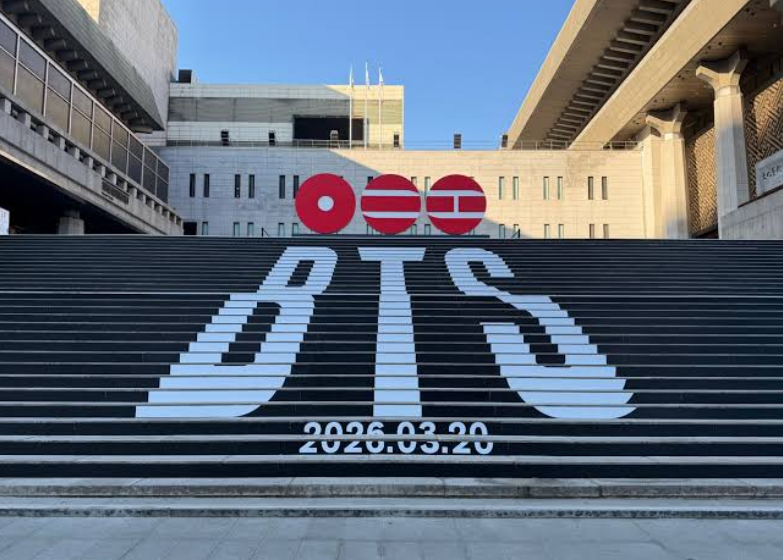
A woman in her 30s in Seoul has been referred to prosecutors on multiple charges after orchestrating an elaborate scheme to systematically purchase and resell thousands of K-pop concert tickets at marked-up prices, according to the Seoul Metropolitan Police Agency announcement on August 26. The suspect allegedly used macro programming software to circumvent normal purchasing channels and bypass ticket limits, obtaining roughly 2,600 tickets to major concerts including nine coveted seats to BTS' Gwanghwamun performance scheduled for March 2026. Authorities estimate she generated approximately 442 million won—equivalent to US$319,000—through the illicit resale operation spanning from April 2023 to March 2026.
The mechanical sophistication of the scheme underscores how determined scalpers have become in exploiting K-pop's extraordinary popularity and fiercely competitive ticket market. Rather than attempting manual purchases like ordinary fans, the woman deployed automated software capable of processing transactions at speeds impossible for human users to match. This technological advantage proved decisive in securing tickets that sell out within minutes during normal sales windows. To further obscure her activities and multiply her purchasing power, she created accounts registered under the names of family members and acquaintances, effectively creating a network of phantom buyers that allowed her to accumulate tickets far beyond what a single person could legitimately obtain.
Most K-pop concerts in South Korea impose strict per-capita purchase limits, typically restricting each person to one or two tickets per performance date. These protections exist precisely to prevent the kind of hoarding that the defendant allegedly engaged in. By distributing purchases across multiple registered identities, she essentially weaponised the system's reliance on account-based controls. The scheme proved particularly effective during high-demand periods when tickets for major artists become essentially unobtainable for the average fan attempting a straightforward purchase.
The Seoul Metropolitan Police Agency first became aware of this particular scheme during the frenzied ticket sales for BTS' Gwanghwamun concert in February 2026. Given the phenomenal demand surrounding BTS performances, authorities had already heightened monitoring protocols in coordination with the ticketing platform. When the suspect attempted to secure nine tickets to this ultra-premium event using her automated technique, police intervention prevented the sale from proceeding and the tickets from entering the resale market. This early detection proved crucial in dismantling the broader operation and preventing the defendant from profiting further.
The charges lodged against her span multiple statutes reflecting the multifaceted legal violations her conduct represented. Prosecutors are pursuing counts under the Information and Communications Network Act, which covers violations involving computer systems and online platforms; the Public Performance Act, which governs concert ticketing and related conduct; and obstruction of business, which addresses interference with legitimate commercial operations. The Seoul Metropolitan Police Agency referred her without detention, though authorities have sought a pre-indictment seizure and preservation order for the alleged criminal proceeds, effectively freezing any identified assets to prevent disposal before trial.
This case arrives as authorities pursue an increasingly aggressive enforcement posture against ticket scalpers operating across the industry. In a related investigation in Ulsan, police arrested another suspect in his 30s who had allegedly created macro software to purchase more than 1,700 K-pop tickets between November 2024 and October 2025. That operation generated approximately 420 million won in profits by reselling tickets at three to thirteen times their original prices—a margin that underscores the extreme scarcity and demand driving the secondary market.
The timing of these prosecutions holds particular significance as South Korea prepares to implement substantially harsher penalties for illegal ticket resales. Beginning August 28, revised provisions of the Public Performance Act and the National Sports Promotion Act introduce transformative enforcement tools, authorizing authorities to levy administrative fines reaching up to 50 times the face value of illegally resold tickets. This represents a dramatic escalation from previous enforcement approaches and signals government determination to protect consumers and ensure equitable access to concerts featuring major artists.
For Malaysian and Southeast Asian observers, these developments reflect broader tensions emerging across the region's rapidly expanding entertainment industry. The K-pop phenomenon has generated unprecedented demand for live performances, creating lucrative opportunities for organised scalping operations. Technology-enabled ticket manipulation now represents a sophisticated criminal enterprise rather than merely opportunistic reselling. As concert touring becomes increasingly important to economies across Southeast Asia, governments are likely to adopt similarly stringent approaches to protecting consumer access and fair distribution.
The sophistication evident in these cases—automated software, distributed account networks, systematic operations spanning years—demonstrates that ticketing fraud has evolved into organised criminal activity requiring coordinated law enforcement response. The amounts involved, in the hundreds of millions of won, justify treating these matters as serious economic crimes rather than minor regulatory violations. Both the Seoul and Ulsan investigations showcase how technology-savvy operators can exploit commercial platforms despite existing protections, prompting administrators and policymakers to continuously strengthen defences.
These prosecutions arrive at an inflection point where K-pop's global expansion intersects with growing concerns about market manipulation and consumer fairness. The extreme prices generated through scalping effectively exclude ordinary fans while creating perverse incentives for systematic ticket hoarding. By implementing dramatically increased penalties, South Korea is attempting to alter the risk-reward calculus that currently makes sophisticated scalping operations financially attractive. Whether enhanced fines prove sufficient to deter similar schemes, or whether technology will continue outpacing enforcement mechanisms, remains to be seen as other entertainment markets grapple with comparable challenges.

