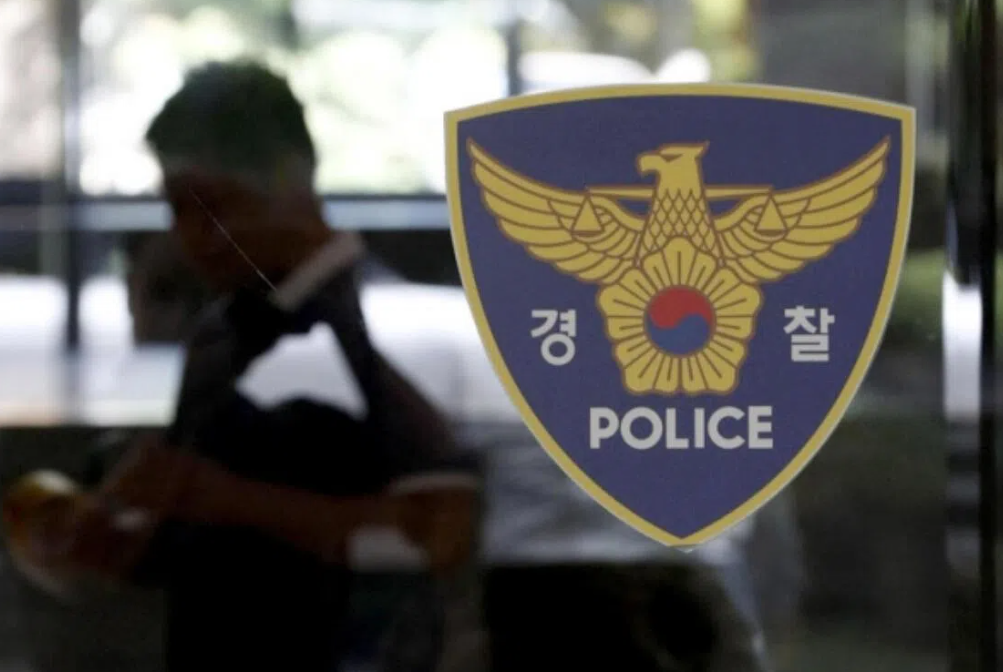
A police officer in her 20s serving the Incheon Michuhol Police Station is now the subject of a criminal investigation following a tragic incident early on Friday, July 3, in which she fatally struck a civilian while responding to an emergency dispatch call. The officer has been formally accused of causing death as a result of a traffic accident—a charge that underscores both the gravity of the incident and the complex circumstances surrounding what was meant to be a rescue operation but culminated in tragedy.
The sequence of events began when local authorities received a distress report indicating that a woman in her 60s had collapsed and was lying on the roadway. Responding to this call, the police officer drove her patrol vehicle to the scene to provide assistance to the stricken civilian. However, in the pre-dawn darkness near 12:45am, the situation took a devastating turn when the officer's vehicle struck the woman, resulting in injuries from which the victim could not recover.
According to statements provided by the officer to investigators, she was unaware that she had struck the woman, claiming she did not observe the victim on the roadway. Authorities have noted that the accident occurred at a particularly hazardous location—near a left turn in the road where visibility would naturally be compromised. The Incheon Michuhol Police Station acknowledged that ambient lighting conditions were poor at the time, which may have contributed to the officer's inability to detect the collapsed woman despite being specifically deployed to locate and assist her.
The investigative process is now moving forward with careful examination of available evidence. Police officials have indicated they intend to review surveillance footage from the area to reconstruct the precise sequence of events and determine whether the officer exercised appropriate caution and followed proper procedures when arriving at the scene. This video analysis will likely prove crucial in establishing whether visibility limitations alone explain the tragedy or whether other factors—such as vehicle speed, route taken, or failure to reduce velocity in a hazard zone—contributed to the fatal collision.
The decision of whether to formally request an arrest warrant for the officer will depend on findings from this comprehensive investigation. South Korean law distinguishes between accidents that occur despite reasonable precautions and those arising from negligence or culpable conduct. The authorities' stated approach of gathering all available forensic and video evidence suggests they are taking seriously their obligation to determine whether this was a tragic but unavoidable accident or whether prosecutorial action through arrest is warranted.
Meanwhile, a police sergeant who was seated in the passenger position during the incident is not expected to face disciplinary or criminal consequences. Officials determined that the sergeant bore no responsibility for the fatal strike, as primary operational control of the vehicle rested with the driver-officer. This distinction reflects established principles of liability in traffic incidents involving official vehicles.
This incident touches on broader questions about emergency response protocols and public safety that extend well beyond South Korea's borders. For Malaysian and Southeast Asian contexts, the case raises important considerations about how police and emergency services conduct nighttime operations in conditions of poor visibility, particularly when responding to reports of vulnerable persons in public spaces. The issue of whether responding officers should reduce speed, activate hazard warnings, or employ additional caution when searching for collapsed individuals on roadways remains relevant for all regional police forces.
The tragic outcome—a woman whose distress prompted a 999 call ultimately perished due to the very emergency response meant to save her—presents a sobering reminder of the inherent risks in emergency services work. First responders operating in darkness, without full situational awareness of hazard locations, face genuine challenges in balancing rapid response with safe navigation of roadways. This particular case will likely inform police procedure discussions not only in Incheon but across other jurisdictions examining best practices for locating and assisting incapacitated persons reported to be lying in traffic areas.
The Incheon Michuhol Police Station's commitment to thorough investigation, including detailed surveillance footage analysis, suggests authorities recognise the importance of transparency and accountability in cases involving loss of life during official police operations. Public confidence in emergency services depends partly on the perception that police departments rigorously examine such incidents rather than hastily concluding them as unavoidable accidents.
As the investigation proceeds through its subsequent phases, the outcome will carry implications for police training protocols, particularly regarding response procedures to reports of persons collapsed in roadways. Whether findings point to systemic issues requiring procedural changes, or to a singular tragic accident under genuinely challenging conditions, will shape how emergency responders throughout the region approach similar situations in the future.

