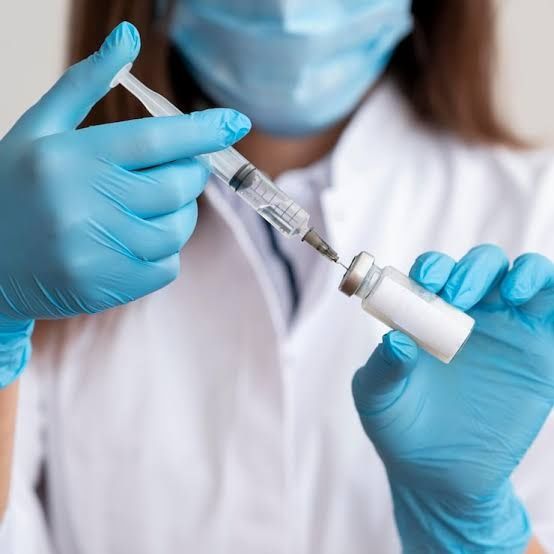
Authorities in South Korea have arrested a nurse assistant who administered propofol to herself during her inaugural shift at a dermatology clinic in Seoul's Gangnam district on July 7. The woman, in her twenties, faces charges under the Narcotics Control Act following her discovery by clinic staff. Seoul Gangnam Police Station confirmed the arrest and indicated that investigators are examining the circumstances surrounding the incident and whether the suspect has a pattern of drug misuse.
The nurse assistant gained access to the anaesthetic agent under unusual circumstances. She located an unused syringe containing propofol in a waste receptacle at the facility and subsequently self-injected the substance. This discovery raises serious questions about pharmaceutical waste management protocols within South Korean medical establishments and the vulnerability of controlled substances to unauthorised access. The fact that a dangerous drug remained accessible in a trash bin rather than being safely disposed of through proper channels represents a significant institutional failure.
Propofol presents substantial health risks when misused outside clinical settings. As a rapid-onset intravenous anaesthetic, the medication is essential in legitimate medical procedures but carries grave consequences when self-administered by untrained individuals. Improper dosing, sterility concerns, and the absence of medical supervision create conditions for severe adverse effects including respiratory depression, cardiovascular collapse, and fatality. Medical professionals consistently warn that recreational use or self-administration of propofol constitutes a dangerous practice with unpredictable outcomes.
The investigation into this case extends beyond the immediate incident. Authorities are pursuing lines of inquiry to determine whether the suspect engaged in habitual substance misuse, suggesting concerns that this may not represent an isolated occurrence. The circumstances of her arrest—occurring within hours of commencing employment—indicate either impulsive behaviour or prior familiarity with narcotic abuse. Police have released her pending further investigation rather than imposing immediate detention, though the Narcotics Control Act violation remains a serious charge.
This incident arrives amid a troubling trajectory of medical narcotic consumption throughout South Korea. Data released in June by the Drug Ministry and Korea Institute of Drug Safety and Risk Management reveals that approximately 20.2 million South Koreans received at least one prescription for medical narcotics during 2025, representing roughly 40 per cent of the national population. This extraordinarily high prescription rate reflects both legitimate medical needs and potential over-prescription patterns that create supply opportunities for unauthorised users.
The proliferation of narcotic-related incidents has prompted escalating calls from public health advocates and policymakers for comprehensive regulatory reform. Current criticisms centre on inadequate oversight of how medical facilities store controlled substances, manage their handling procedures, and dispose of leftover materials. The case in Gangnam exemplifies how lapses in institutional discipline directly enable individual acts of substance misuse. Many clinics and hospitals, particularly smaller private establishments, operate with minimal external auditing of their narcotic management practices.
For Malaysian healthcare administrators and policymakers, the South Korean situation presents instructive lessons regarding pharmaceutical governance. Southeast Asian nations face comparable challenges in managing controlled substance access within medical environments. The incidents occurring in South Korea, despite that country's relatively advanced healthcare infrastructure and regulatory apparatus, demonstrate that even well-resourced systems struggle with consistent implementation of security protocols. Healthcare facilities throughout the region should undertake comprehensive audits of their narcotic storage, tracking, and disposal procedures.
The broader context of substance abuse among healthcare workers warrants attention. Medical professionals possess privileged access to powerful drugs and face occupational stress that can contribute to dependency. Countries including South Korea increasingly recognise that addressing this phenomenon requires not merely punitive approaches but also preventive measures, employee screening, mental health support, and rehabilitation pathways. Treatment-oriented interventions often prove more effective than criminal prosecution alone in reducing recidivism and supporting recovery.
This case also underscores the importance of workplace safety training and orientation protocols. A comprehensive induction programme should incorporate instruction on proper waste disposal, hazard identification, and reporting mechanisms for safety breaches. The fact that a new employee could access controlled substances in clinical waste suggests that either no such training occurred or that protocols were disregarded. Healthcare institutions bear responsibility for establishing and enforcing clear expectations regarding narcotic handling from the moment staff commence employment.
Looking forward, South Korean authorities appear positioned to utilise this incident as a catalyst for policy revision. Discussions regarding mandatory tracking systems for all narcotic doses, restrictions on waste storage accessibility, surprise facility inspections, and enhanced penalties for institutional violations have gained momentum. These measures would create more robust accountability throughout the pharmaceutical supply chain within medical settings. Regional health authorities in Southeast Asia should monitor these developments and assess applicability within their own regulatory frameworks.

