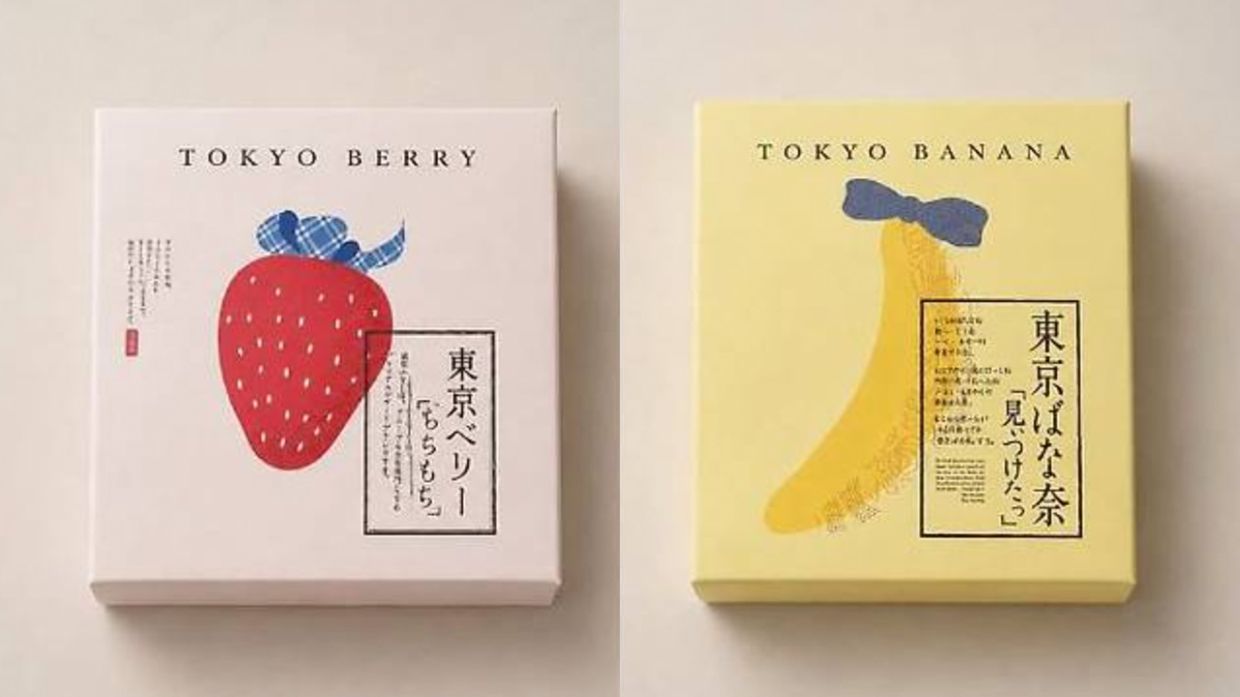
A recently launched South Korean dessert brand has become entangled in a significant intellectual property and branding controversy, with Tokyo Berry drawing considerable criticism for what observers describe as striking similarities to Tokyo Banana, an established Japanese confectionery product manufactured by Grapestone. The allegations highlight ongoing tensions surrounding brand identity and consumer protection in East Asian markets, where packaging design and visual presentation play crucial roles in purchasing decisions and brand recognition.
Tokyo Banana, the established competitor at the centre of this dispute, is a distinctive banana-shaped sponge cake that has achieved considerable popularity across Japan and in regional markets. Produced by Grapestone, a well-established Japanese confectionery manufacturer, the product has built substantial brand equity through consistent marketing and distribution. The confectionery's distinctive shape, packaging aesthetics, and market positioning have made it readily recognisable among consumers throughout East Asia, including South Korea where Japanese food products maintain strong appeal.
The controversy gained momentum when social media users began posting detailed side-by-side comparisons of the two brands' packaging materials and visual presentation. These comparisons, shared widely across multiple platforms, revealed striking parallels in design elements, colour schemes, and overall aesthetic approach. The similarities proved compelling enough to capture significant consumer attention and generate widespread discussion about whether Tokyo Berry had deliberately adopted design principles closely mirroring those of its Japanese counterpart.
Tokyo Berry, operating as a new entrant in South Korea's competitive dessert market, pursued an aggressive retail strategy by establishing pop-up stores at major department store chains including Lotte and Shinsegae, two of the nation's most prestigious retail operators. These temporary retail locations attracted considerable consumer footfall, with customers queueing in substantial numbers to purchase the brand's offerings. The initial commercial success suggested strong market interest, though this enthusiasm would soon be overshadowed by the design controversy.
The brand's marketing communications further intensified the controversy. Tokyo Berry's promotional messaging emphasised phrases such as "capturing the flavours of seasonal fruits and the essence of Tokyo", language that numerous consumers interpreted as deliberately creating an association with Japan and Japanese culinary traditions. This positioning strategy, combined with the visual similarities to Tokyo Banana, led many consumers to initially assume Tokyo Berry was either a Japanese brand or a formal commercial partner of an established Japanese operation, rather than an independent South Korean venture.
Department store representatives confirmed the commercial fallout when officials at major retail chains disclosed that all future Tokyo Berry pop-up store locations had been cancelled in response to the mounting criticism. This decision represented a dramatic reversal of the brand's initial retail momentum, reflecting the significant reputational damage inflicted by the copying allegations and subsequent public backlash. The cancellation effectively removed the brand from one of South Korea's most prominent retail channels at a critical juncture in its market entry strategy.
Online sentiment shifted sharply once consumers became aware that Tokyo Berry represented a Korean, rather than Japanese, branded product. Comments characterising the controversy as a "national embarrassment" proliferated across social media platforms, indicating that the issue had transcended simple intellectual property concerns to touch upon broader questions of national pride and commercial ethics. This response reflects deeply rooted sensitivities within South Korea regarding brand authenticity and the nation's standing in regional commercial competition with Japan.
The controversy expanded further as critics identified additional allegations of design copying extending beyond the Tokyo Banana comparison. Observers noted similarities between Tokyo Berry's inner packaging materials and those employed by Hanjungsun, a premium Korean dessert brand specialising in chapssaltteok, a traditional rice cake filled with sweet preparations. Hanjungsun's distinctive use of hanji, traditional Korean paper crafting materials, in its packaging strategy appeared to have been adopted by Tokyo Berry, introducing questions about potential copying of Korean branding elements alongside the alleged Japanese inspiration.
In response to escalating criticism, Tokyo Berry took defensive measures by restricting access to its promotional Instagram account. The brand hid previously published promotional posts and disabled comment functionality on remaining content, effectively muting consumer communication channels and limiting further negative publicity accumulation. This approach, while potentially reducing real-time criticism visibility, likely intensified perceptions that the company lacked confidence in addressing the substantive allegations forthrightly.
Grapestone, the Japanese manufacturer and operator of Tokyo Banana, initiated a formal review of the matter, signalling that the company intended to evaluate its response options. The manufacturer's decision to investigate rather than immediately pursue legal action suggested measured deliberation regarding appropriate next steps, though company representatives indicated through local media channels that relevant internal departments had been engaged in reviewing the details of the controversy.
For Malaysian and broader Southeast Asian observers, this episode underscores ongoing complexities surrounding intellectual property protection and brand ethics in regional commercial ecosystems where visual design and packaging aesthetics command substantial consumer influence. The incident demonstrates how perceived copying can rapidly damage commercial prospects even for newly launched brands with initial market traction, while also highlighting the cultural sensitivities surrounding cross-border brand positioning that companies must navigate carefully when operating across different national markets with distinct commercial traditions and consumer expectations.

