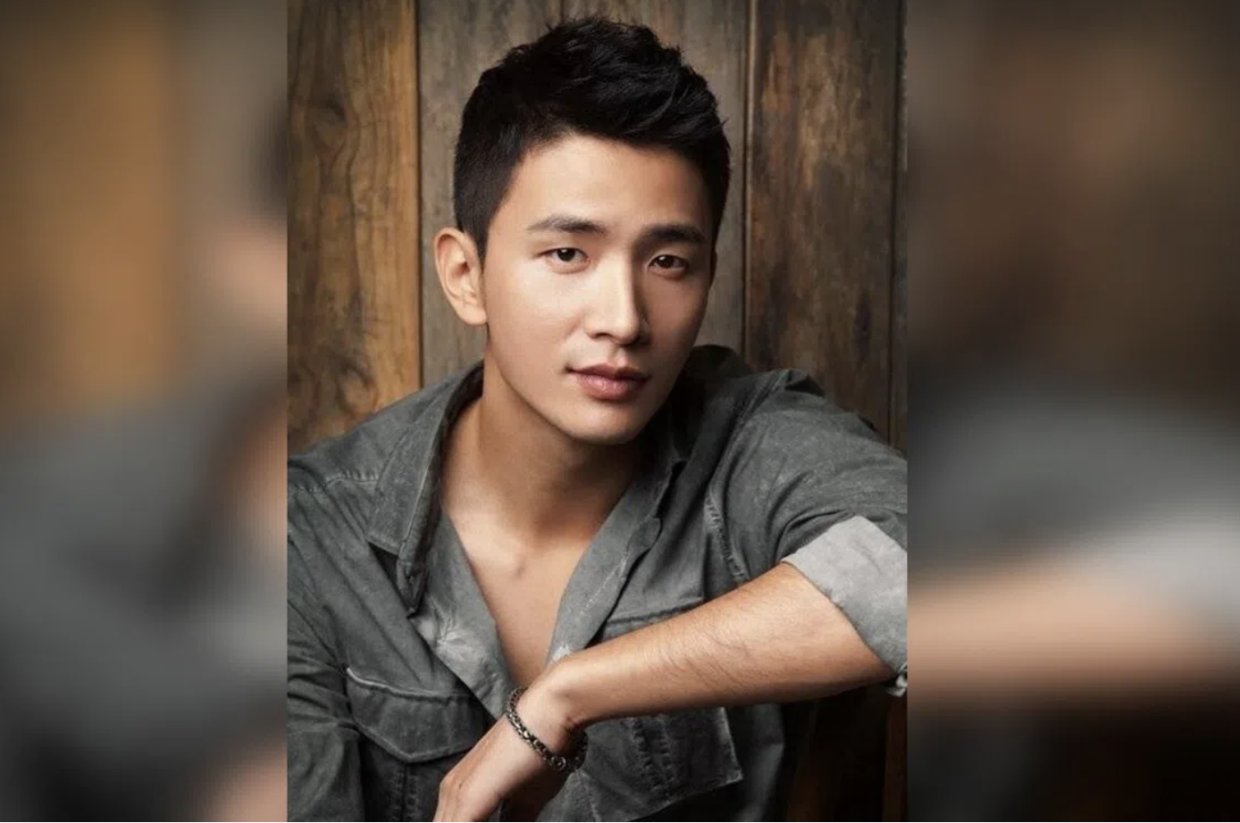
South Korean actor Lee Yong-joo, widely recognised for his appearances in the acclaimed 2006 television drama Princess Hours and the tvN sitcom Blue Tower, has passed away at the age of 44. The entertainment industry mourned the unexpected loss on August 29 when Lee died from cardiac arrest, according to reports from South Korean media outlets. A close personal friend announced his death through social media, expressing shock at the sudden nature of his passing and requesting that fans and industry colleagues honour his memory as he embarks on his final journey.
Lee's death has inevitably sparked conversations about a previously known medical vulnerability. In 2013, while promoting the comedy series Blue Tower, the actor had disclosed that he lived with hypertrophic cardiomyopathy, a serious cardiac condition characterised by abnormal thickening of the heart muscle. This revelation came after he explained to the public why he had been granted an exemption from South Korea's mandatory military conscription. The diagnosis, Lee disclosed at the time, also affected other members of his family—his mother had previously been hospitalised with the identical condition, pointing to its hereditary nature.
The discovery of his condition stemmed from a broader medical investigation within his family unit. Medical professionals recommended that Lee and his relatives undergo comprehensive health screenings due to the genetic predisposition associated with hypertrophic cardiomyopathy. This proactive approach to family health screening, though initiated out of caution, underscores the serious nature of the condition and the importance of early detection. For Southeast Asian audiences unfamiliar with South Korean conscription requirements, Lee's exemption represented a significant acknowledgment of his health status within a country where military service is a nearly universal obligation for able-bodied men.
Lee's journey in entertainment began modestly in the early 2000s. He initially worked as a professional model before transitioning into acting, making his film debut in 2004 with a supporting role in Doma Ahn Jung-geun. His breakthrough in television came through various supporting and secondary roles across multiple networks and genres, demonstrating versatility that would characterise his career. He appeared in MBC's Hello, Francesca between 2005 and 2006, establishing himself as a reliable character actor capable of anchoring ensemble casts.
His most notable role came in Princess Hours, the 2006 melodramatic drama that became a regional phenomenon. The series, which gained particular traction across Asia including in Malaysia and Singapore, featured Lee in the role of Jang Kyung, a high school confidant to the story's protagonist Crown Prince Lee Shin, played by Ju Ji-hoon. Though a supporting character, Jang Kyung provided important emotional ballast to the narrative, and Lee's performance contributed to the series' enduring appeal among international audiences who continue discovering it through streaming platforms decades later.
Following Princess Hours, Lee maintained steady employment throughout the late 2000s and 2010s, appearing across diverse programming. He took roles in the comedy series Unstoppable Marriage in 2007, and subsequently became recognisable through his appearances in the long-running Rude Miss Young-ae franchise, which spanned from 2007 to 2019 and became particularly popular throughout East and Southeast Asia. His additional television credits included The Women's Room in 2013, Let's Eat in 2013, and My Unfortunate Boyfriend in 2015, demonstrating his consistent presence on Korean screens across multiple genres and networks.
Blue Tower, which aired from 2013 to 2014, represents a notably interesting chapter in Lee's career trajectory. The tvN sitcom featured Lee portraying a military recruit, a role that carried particular irony given his documented inability to serve in the armed forces due to his cardiac condition. Rather than obscuring this reality, the show's creators incorporated his military exemption into the narrative fabric of his character, creating comedic situations from the incongruity between his character's position and Lee's actual medical history. This creative decision demonstrated how South Korean television sometimes addresses societal complexities through humorous storytelling, allowing audiences to engage with real-world constraints in an entertainment context.
The actor's final arrangements took place in accordance with South Korean funeral customs and ceremonies. His wake was established at Room 5 of the Bundang Jesaeng Hospital Funeral Hall located in Seongnam, Gyeonggi Province. The funeral procession commenced on August 31 at 6.30 in the morning, with final interment scheduled at the Seongnam City Funeral Culture Complex. These arrangements allowed colleagues, friends, and fans from across South Korea's entertainment industry to pay their respects during the designated mourning period.
Lee's passing resonates particularly within the broader context of South Korean entertainment, where actors frequently face intense professional pressures. His relatively young age at death and the cardiac nature of his condition may prompt industry reflection on workplace wellness and the importance of health monitoring among performers. For Malaysian and Southeast Asian viewers who encountered Lee through Princess Hours or other regional broadcasts, his death represents the loss of a familiar face who, through his work, formed part of the shared television culture that has bound audiences across the region for nearly two decades.

