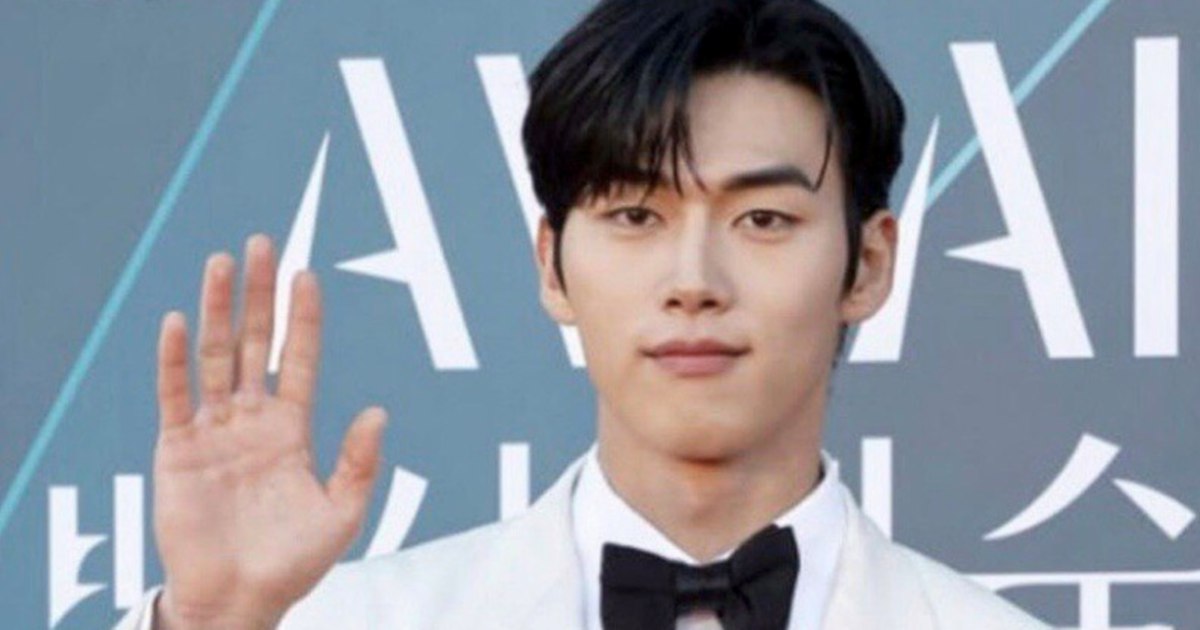
South Korean actor Hong Min-gi finds himself at the centre of a high-profile dispute after his former girlfriend, an influencer identified only as A, levelled serious allegations of verbal and physical abuse against him. The entertainment industry in Seoul has been thrust into another controversy involving allegations of mistreatment, adding to a pattern of similar cases that have captured public attention in recent years.
Hong Min-gi's agency has issued a firm denial of all charges, rejecting the characterisation of events presented by his former partner. The dismissal of allegations by management represents a typical first response in such cases, where entertainment companies often move swiftly to protect their clients' reputations. This particular denial, however, carries added weight given the agency's stated intention to pursue formal legal action against the accuser, signalling a willingness to contest the matter in courts rather than through public relations management alone.
The decision to pursue legal recourse reflects a broader shift in how South Korean entertainment figures respond to accusations. Rather than accepting settlements or issuing apology statements—responses that characterised earlier scandals—some celebrities and their representatives now view litigation as a necessary tool to establish credibility and deter what they characterise as false allegations. This approach carries significant implications for how such disputes resolve and the burden of proof required in contested cases.
Influencer accusations have become an increasingly common avenue through which allegations against celebrities emerge in South Korea. The use of social media platforms by content creators provides direct channels to audiences, circumventing traditional media gatekeeping. This democratisation of accusation has shifted power dynamics, though it simultaneously raises questions about verification and the potential for unsubstantiated claims to gain traction before facts can be established.
For Malaysian and Southeast Asian audiences following South Korean entertainment developments, this case represents a microcosm of broader concerns affecting the K-entertainment industry. The region has seen growing scrutiny of workplace conduct and interpersonal relationships among celebrities, with Malaysian audiences increasingly engaging with Korean dramas, music, and film. When scandals involving Korean stars emerge, they often influence perceptions of the industry across Asia and occasionally prompt reflection on similar issues within local entertainment sectors.
The allegations themselves, centring on verbal and physical abuse within a romantic relationship, touch upon serious matters of personal safety and consent. Such claims demand careful examination and appropriate verification processes. The agency's commitment to legal action suggests confidence in their client's position, though the actual merits of contested accounts will ultimately depend on evidence presented through formal proceedings rather than public statements.
This case also illustrates the vulnerability of public figures to reputational damage regardless of eventual legal outcomes. Even unsubstantiated allegations can generate negative publicity that affects career prospects and public perception. The entertainment industry's reliance on public goodwill makes such accusations particularly damaging, creating pressure on accused individuals to respond rapidly and decisively, sometimes before full facts are established.
The involvement of an influencer as the accuser adds another dimension to this dispute. Influencers command significant audience engagement and possess platforms that can amplify messages effectively. When an influencer makes accusations against a celebrity, the narrative competition becomes unequal in some respects—while celebrities benefit from agency representation and professional communications infrastructure, influencers leverage authentic personal brand positioning and direct follower relationships. Both parties thus bring distinct communicative advantages to such conflicts.
South Korea's entertainment regulatory bodies and media oversight functions remain relevant in such circumstances. How these institutions respond to allegations, whether investigating bodies launch enquiries, and what precedents emerge from legal proceedings will shape how similar cases are handled in the future. The industry's approach to accountability mechanisms remains a subject of ongoing debate among critics, industry observers, and policy makers across East Asia.
For those monitoring developments in the region's entertainment landscape, this case warrants attention both as an individual dispute and as part of larger conversations about workplace conduct, relationship dynamics, and accountability within celebrity cultures. The outcome may influence how future allegations are received and addressed, potentially establishing precedents that extend beyond this particular situation. As the case proceeds, the balance between protecting accusers' legitimate concerns and ensuring accused parties receive fair treatment will remain at issue.

