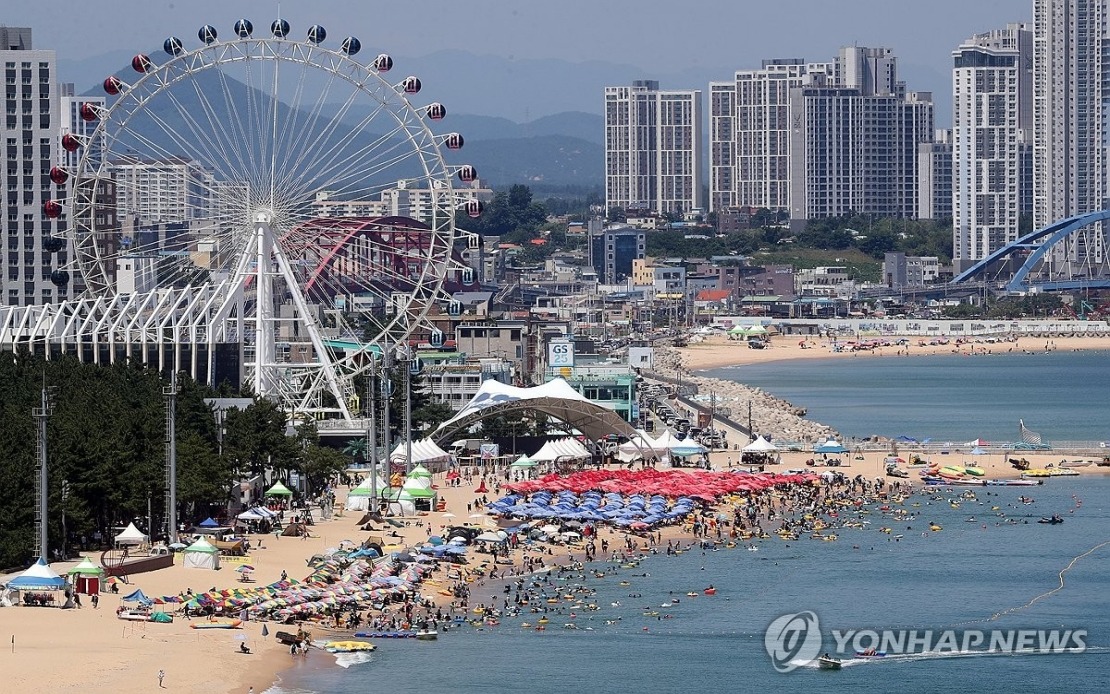
South Korea is in the grips of an intensifying heat crisis that has shattered weather records and triggered emergency government action. On Sunday, the southeastern city of Yangsan recorded a scorching 42.5°C, becoming the highest temperature ever documented on the Korean Peninsula since the Korea Meteorological Administration began systematic weather observations in 1904. The mercury climbed to 42°C at 1:16 p.m. local time before climbing another half degree Celsius just ten minutes later, demonstrating the relentless intensity of the heat accumulation affecting the region.
The implications of this record extend beyond mere meteorological interest. Yangsan, positioned approximately 310 kilometres southeast of Seoul, has now experienced five consecutive days with temperatures exceeding the 40°C threshold, suggesting a heat dome rather than isolated extreme weather events. What compounds the concern is the daily pattern of increasing temperatures across the city; officials note that the timing of when Yangsan first reaches 40°C has been shifting progressively earlier each day. This acceleration in heat onset raises the alarming possibility that temperatures could breach the 43°C mark within coming days, potentially pushing records even further beyond established baselines.
The heat wave is not confined to Yangsan. Neighbouring Gyeongju, situated roughly 240 kilometres southeast of Seoul, also crossed a significant threshold on Sunday when temperatures reached 40.2°C by 1:55 p.m. This marked the first occasion this year that Gyeongju has experienced temperatures above 40°C, though it is actually the highest reading the city has registered in eight years, surpassing the previous benchmark of 39.8°C established in 2018. The geographic spread of such extreme temperatures across multiple cities suggests a broader weather pattern affecting the entire southeastern region of South Korea rather than localised conditions.
For Malaysian and Southeast Asian observers, the Korean situation carries immediate relevance. Extreme heat events in East Asia have been intensifying in frequency and severity over recent decades, mirroring trends observed throughout the tropical and subtropical regions of Southeast Asia. When neighbouring countries in temperate zones begin experiencing temperatures rivalling those found in equatorial regions during peak heat seasons, it signals a significant shift in global climate patterns. The ripple effects of such anomalies can extend across the region through atmospheric circulation systems and altered monsoon patterns that directly influence precipitation and temperature in Southeast Asia.
The South Korean government has mobilised a comprehensive response framework to address the public health emergency. Prime Minister Han Seong-sook activated a Level 2 emergency operation of the disaster response headquarters as of 1 p.m., signalling that authorities consider the situation grave enough to warrant nationwide coordination. This designation empowers government ministries and provincial administrations to implement enhanced safety protocols with particular attention to vulnerable populations including the elderly, young children, and those with chronic health conditions. The government has specifically ordered safety audits to identify and protect at-risk individuals while simultaneously issuing directives to maintain stable supplies of electrical power and water, essential services that can become strained during extreme heat episodes.
Public health advisories have been distributed widely, urging South Koreans to minimise outdoor exposure and adhere to established heat safety measures. Such guidance is critical because heat-related illnesses including heat exhaustion and heat stroke can develop rapidly when core body temperatures exceed thermoregulatory capabilities, particularly in humid conditions that restrict evaporative cooling mechanisms. The concentration of emergency measures reflects hard lessons learned from previous heat events across the region and globally, where inadequate preparation resulted in preventable deaths.
The historical significance of this record cannot be overstated. By surpassing temperatures recorded over approximately 120 years of continuous observation, South Korea's weather services have documented what appears to be genuine climate trend progression rather than natural variation. Modern observation networks with standardised instruments and methods provide far more reliable data than historical records, making this measurement particularly noteworthy for climate scientists tracking long-term patterns. The 42.5°C reading represents a clear data point in the broader narrative of global temperature increases that scientific consensus links to anthropogenic climate change.
The implications for Southeast Asia warrant careful consideration. Malaysia, Thailand, Vietnam, and other regional nations have already experienced their own extreme heat episodes and related climate impacts including altered rainfall patterns and extended drought conditions. When developed economies with advanced infrastructure struggle to manage extreme heat, the challenges for less-developed nations with more fragile infrastructure systems become apparent. Power grids may face demand surges from air conditioning usage that exceed capacity; water supplies dependent on consistent precipitation may face shortages during prolonged dry periods; and agricultural productivity could face disruption during critical growing seasons.
The South Korean heat wave also underscores the interconnected nature of regional climate systems. Atmospheric pressure systems, jet streams, and oceanic conditions that drive weather across East Asia influence patterns across Southeast Asia through a complex web of interactions. Scientists studying this heat event will analyse how expanded subtropical high-pressure systems contributed to the record temperatures, with the understanding that similar mechanisms could potentially intensify heat episodes affecting Southeast Asia. Regional meteorological organisations and climate research institutions across ASEAN member states would benefit from detailed information about the mechanisms driving such extreme events in neighbouring regions.
Looking forward, the South Korean experience highlights the necessity for improved preparation across Southeast Asia. As heat waves become more frequent and intense, governments, healthcare systems, and infrastructure planners must anticipate increased demand for cooling, medical services, and emergency response. Water management strategies must account for potential disruptions to supply systems during heat emergencies. Urban planning should emphasise green spaces and reflective surfaces that reduce urban heat island effects. Industrial operations, particularly those sensitive to temperature variations, require contingency planning for extreme heat scenarios that were previously considered unlikely or impossible.

