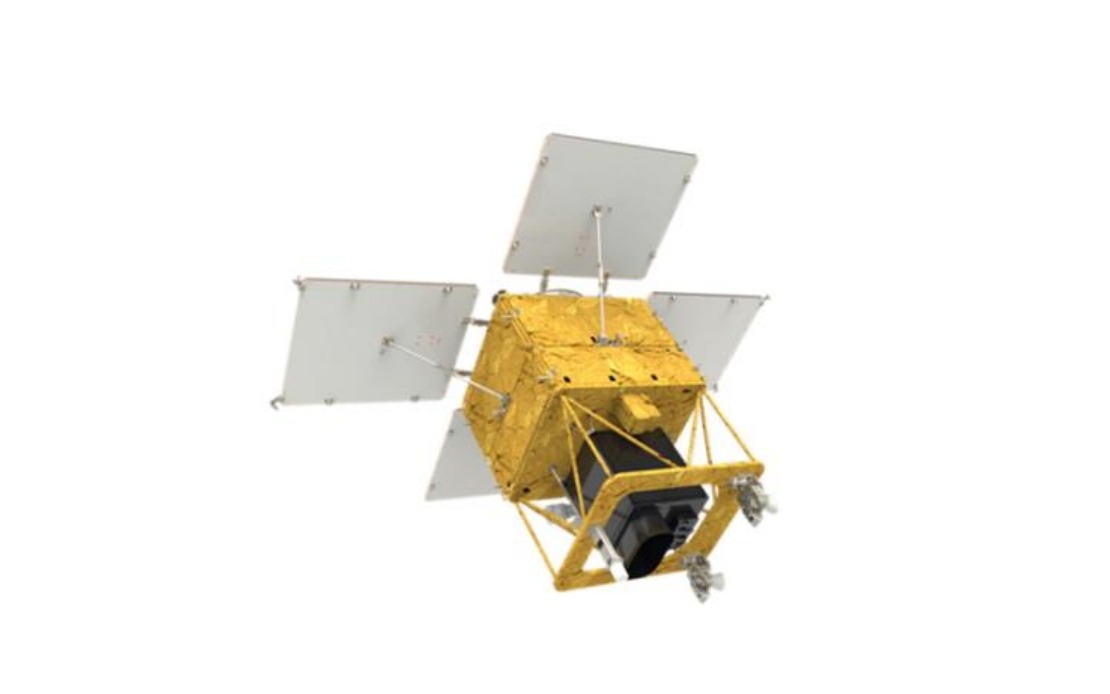
South Korea is preparing to deploy its fourth medium-sized Earth observation satellite, launching from Vandenberg Space Force Base in California aboard a SpaceX Falcon 9 rocket in a mission underscoring Seoul's growing technological ambitions in space infrastructure. The Korea AeroSpace Administration (KASA) scheduled the launch for 4.10 pm Korea time, with the 500-kilogramme satellite already having completed functional inspections and fuel injection procedures during the preceding month.
The sequential deployment of these observation satellites reflects South Korea's strategic commitment to developing indigenous space capabilities independent of foreign reliance. By maintaining a consistent launch schedule and expanding its constellation of Earth observation assets, the country strengthens its technological sovereignty while positioning itself as a competitive player in the rapidly advancing global space sector. This progression from one satellite to a fourth unit demonstrates both technical competence and sustained governmental investment in aerospace development.
Once deployed, the satellite will undergo a carefully orchestrated separation sequence approximately two hours and twenty-two minutes following the rocket's liftoff from the California facility. Initial contact with ground control is expected roughly thirty-one minutes after separation through the Svalbard ground station located in Norway, a critical juncture that will confirm successful deployment and basic operational functionality before transitioning into full orbital insertion procedures.
The satellite incorporates domestically developed observation systems, most notably an advanced imaging camera engineered to capture comprehensive coverage of the entire Korean Peninsula at three-day intervals. This homegrown payload represents significant technological achievement, enabling South Korea to reduce dependence on foreign satellite imagery and maintain indigenous access to critical geographic and strategic information vital for national interests and regional monitoring.
South Korean planners envision extensive civilian applications extending far beyond military or strategic considerations. The satellite will support agricultural productivity enhancement through crop monitoring and yield prediction, enabling farmers to optimize planting decisions and resource allocation. Forestry management represents another substantial application domain, where satellite imagery facilitates early detection of illegal logging, disease outbreaks affecting timber resources, and optimal harvest planning. Disaster response capabilities allow rapid assessment following earthquakes, flooding, or other natural calamities, accelerating rescue operations and recovery resource deployment.
Climate change analysis constitutes a growing priority for KASA, with the satellite contributing to long-term environmental monitoring essential for understanding regional and global climate patterns. By accumulating consistent observational data over extended periods, the satellite enables researchers to track landscape transformation, identify emerging environmental vulnerabilities, and inform evidence-based climate policy formulation. Public safety enhancement through infrastructure monitoring and urban planning support rounds out the anticipated applications, demonstrating how space technology translates into tangible benefits across multiple government sectors and civilian domains.
The satellite will achieve its operational orbit at approximately 888 kilometres altitude, a positioning that balances resolution capabilities against orbital longevity and operational costs. Following insertion into this target orbit, KASA will conduct an extensive four-month initial in-orbit testing and validation period, allowing engineers to verify all systems, calibrate sensors, and troubleshoot any anomalies emerging during the transition from ground-controlled conditions to the space environment. This deliberate approach minimizes risks associated with premature operational deployment while ensuring optimal performance throughout the satellite's service lifetime.
Full-scale mission commencement is projected for the first half of next year, providing time for comprehensive data validation, ground station optimization, and integration with existing South Korean space infrastructure. The delayed operational activation reflects professional engineering standards prioritizing reliability over speed, a philosophy that has consistently served South Korea's aerospace sector well as it establishes its growing satellite constellation.
For Malaysian and Southeast Asian observers, South Korea's expanding space capabilities carry broader implications for regional technology development and international space cooperation frameworks. As South Korea demonstrates sustained progress in medium-range satellite deployment, opportunities emerge for regional partnerships, knowledge sharing arrangements, and collaborative Earth observation initiatives addressing shared environmental and security concerns across Southeast Asia. The successful execution of sequential satellite launches strengthens South Korea's credentials as a trustworthy partner for technology-intensive regional projects.

