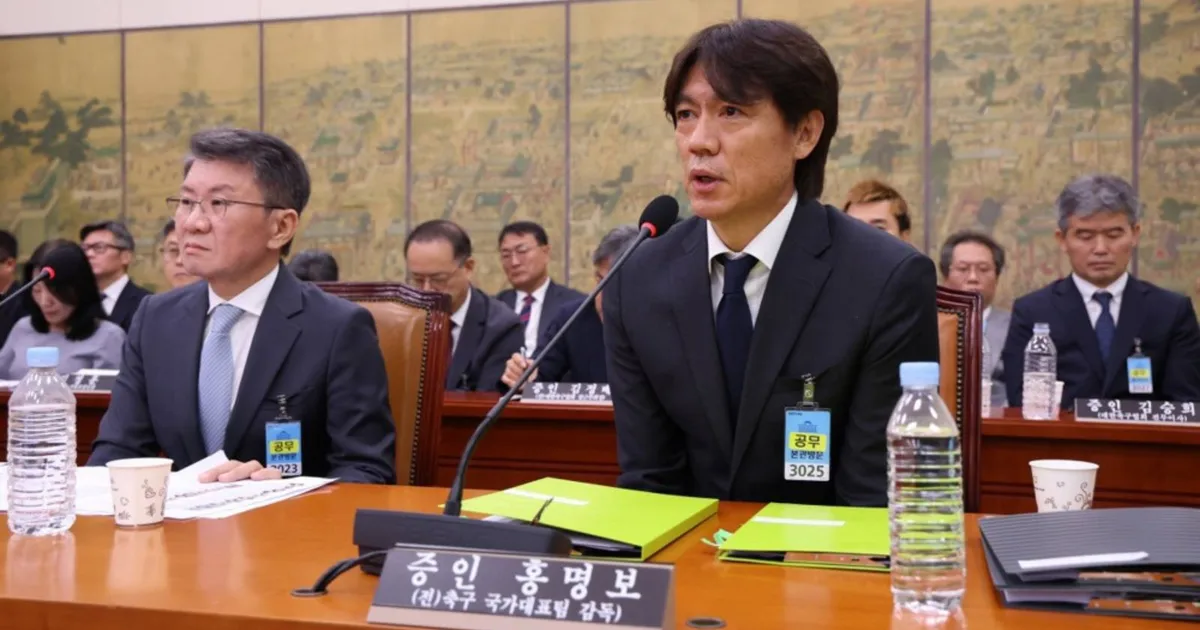
South Korean law enforcement has intensified scrutiny of the country's football governing body by conducting a police raid connected to the appointment of Hong Myung-bo as the national team's head coach, as authorities examine allegations of potential misconduct in the selection process.
The investigation centres on whether proper procedures were followed during Hong's recruitment to the role, with particular focus on claims that official business activities may have been deliberately obstructed. This examination comes in the context of significant public dissatisfaction with South Korea's recent performance at the FIFA World Cup, where the team delivered results that fell short of expectations and sparked widespread criticism of the federation's management.
Hong Myung-bo brings substantial credentials to the position, having previously served in various coaching capacities within South Korean football. However, his appointment became the focus of public and official scrutiny rather than celebration, suggesting underlying tensions within the football association regarding how decisions are made at the highest levels of the sport's governance.
The police action represents an escalation beyond typical administrative review processes, indicating that investigators believe sufficient evidence exists to warrant formal examination of whether laws governing corporate conduct may have been breached. The charge of obstruction of business typically involves allegations that someone has deliberately interfered with legitimate organisational functions or decision-making processes.
For Malaysian football observers, the South Korean situation underscores how closely the sport intersects with broader governance and accountability frameworks. Like Malaysia, South Korea maintains a professional football culture where the federation's decisions attract intense media and public attention. The circumstances surrounding coaching appointments often become flashpoints where questions about transparency, meritocracy, and procedural fairness crystallise into demands for investigation.
The disappointing World Cup campaign that preceded these inquiries reflects the elevated expectations surrounding Asian football's top performers. South Korea has consistently qualified for the World Cup and achieved notable performances on the global stage, making their recent underperformance particularly notable. The federation's response to this setback—including the coaching appointment process—therefore carries weight beyond purely sporting considerations.
Internally, the investigation may reveal institutional divisions within South Korea's football administration. Coaching appointments at the national level typically involve multiple stakeholders with competing interests, including federation officials, former players and coaches, media figures, and government representatives. When such appointment processes become subject to police investigation, it usually signals that disagreements escalated beyond normal bureaucratic channels into allegations of procedural impropriety.
The timing of enforcement action suggests that complainants possessed documentation or evidence sufficient to convince authorities to pursue formal investigation. Police raids on sports organisations remain relatively uncommon occurrences in professional football governance, making this action noteworthy across the Asian sporting landscape. It signals a willingness by South Korean authorities to examine sports governance with the same rigour applied to other sectors.
For Southeast Asian football administrators, the South Korean case serves as a cautionary example regarding the importance of maintaining transparent, well-documented appointment procedures. As regional football associations increasingly face public demands for accountability and proper governance standards, the mechanisms through which officials and coaches are selected have become subjects of legitimate scrutiny rather than purely internal matters.
The investigation's outcome remains pending, but the very fact of its occurrence creates reputational implications for South Korean football. International perception matters considerably for nations seeking to host tournaments, develop player talent pipelines, and maintain sponsorship relationships. Governance concerns, even when ultimately unproven, can influence how global partners regard national football bodies.
The Hong Myung-bo appointment controversy also reflects broader discussions within professional sports regarding how organisations should balance swift decision-making with procedural safeguards. Federation leaders must often move quickly to appoint coaches during compressed timeframes, yet such urgency cannot justify bypassing the administrative protocols and transparency measures that stakeholders increasingly demand.
This investigation will likely influence how South Korean football administrators approach future significant appointments and policy decisions. The precedent of police involvement in appointment procedures may prompt the federation to implement additional documentation requirements and expanded consultation processes to demonstrate compliance with legal standards.
Ultimately, the South Korean football association now confronts the challenge of restoring both sporting credibility through improved team performance and institutional credibility through transparent governance. For regional observers monitoring football administration standards across Asia, the unfolding situation offers insights into how accountability mechanisms function when national sports organisations face sustained public and governmental pressure.

