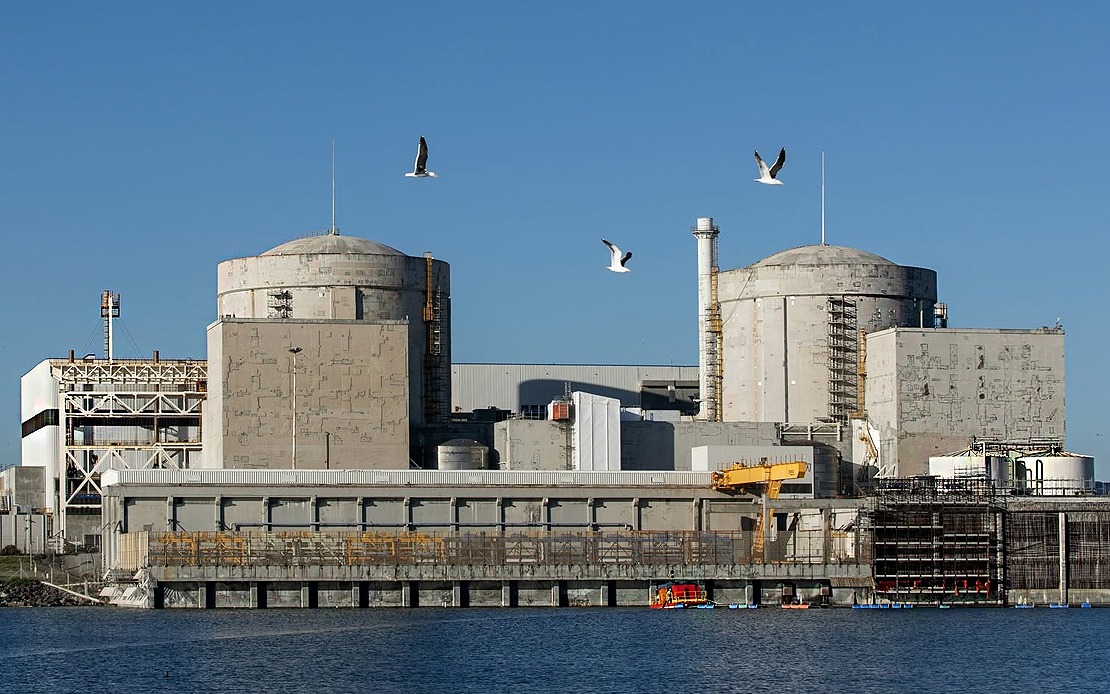
South Africa's Energy Minister Kgosientsho Ramokgopa disclosed on Sunday that maintenance personnel at the Koeberg Nuclear Power Station experienced radiation exposure across three separate incidents spanning several weeks, drawing attention to operational challenges at the country's most critical nuclear facility. Located approximately 30 kilometres north of Cape Town, the plant serves as a cornerstone of South Africa's energy infrastructure and has become a focal point in ongoing debates about the nation's energy future.
The three exposure events unfolded on June 30, July 2, and July 7, each occurring during routine maintenance operations at the facility. Minister Ramokgopa emphasised that authorities had swiftly contained all incidents and that no radioactive material had been released into the surrounding environment. He further stressed that local communities faced no danger from these events, framing the incidents as isolated operational issues that had been properly managed by the plant's safety protocols.
According to the minister's assessment, a temporary power disruption served as the underlying cause of the radiation exposure incidents. This power outage had temporarily compromised the facility's ventilation systems, creating conditions that exposed workers to radiation during maintenance activities. The disruption highlights vulnerabilities in backup systems and the cascading effects that can result from seemingly minor infrastructure failures in nuclear operations.
Ramokgopa characterised the radiation doses absorbed by workers as remarkably modest, drawing a direct comparison to the exposure received during routine dental X-ray procedures. This framing sought to contextualise the incident within familiar medical terms, suggesting that the exposure levels fell well within acceptable safety parameters. The measured nature of this response reflected official confidence in the plant's safety management and the absence of acute health threats to affected personnel.
Velaphi Ntuli, director of South Africa's nuclear safety division, reinforced this assessment by noting that the incidents failed to reach the threshold that would require formal reporting as significant nuclear safety events. This technical determination, rooted in established safety protocols and dosimetry standards, implied that the incidents, while worthy of acknowledgment, did not represent breaches of critical safety benchmarks or systemic failures requiring extraordinary intervention.
The incidents at Koeberg arrive at a particularly sensitive moment for South Africa's nuclear ambitions. The government has committed to expanding nuclear generating capacity by 5.2 gigawatts by 2039, a substantial undertaking intended to transform the nation's energy landscape and address chronic electricity deficits that have plagued the economy for years. These expansion plans, however, have encountered significant public scepticism and environmental concerns, making operational transparency and safety assurances essential to building public confidence in the sector's future development.
South Africa's electricity crisis has become an acute economic and social challenge, with rolling blackouts disrupting businesses and households across the country. The government views nuclear energy as an indispensable component of any credible solution, positioning it alongside renewable energy sources as key to establishing a stable, diversified energy supply. This strategic reliance on nuclear expansion underscores why incidents at existing facilities carry considerable political weight and demand careful management in terms of both safety protocols and public communication.
Currently, South Africa's electricity generation remains overwhelmingly dependent on coal-fired power stations, a dependency that has become economically and environmentally untenable. The government's long-term decarbonisation strategy targets fossil-fuel-free electricity generation by 2050, establishing an ambitious timeline that places nuclear power at the centre of transition planning. This target, while aspirational, reflects global trends toward clean energy and positions South Africa within broader international climate commitments.
The Koeberg incident underscores persistent operational complexities that nuclear facilities must navigate, particularly in developing economies where infrastructure reliability remains variable. Power disruptions, whether temporary or prolonged, pose genuine challenges to facilities designed to operate with exceptional consistency and redundancy. For Malaysian observers and policymakers considering nuclear energy options for Southeast Asia's future, the South African experience offers instructive lessons about the critical importance of robust backup systems and the cascading risks that emerge when primary infrastructure fails unexpectedly.
The government's continued commitment to nuclear expansion despite these incidents and broader public apprehension reflects both the severity of South Africa's energy crisis and the perceived necessity of nuclear solutions. Officials argue that the alternative—continued reliance on coal and vulnerability to load-shedding—presents greater economic and social costs than the manageable risks associated with properly regulated nuclear operations. This calculus, contested in public debate, will shape South Africa's energy policy trajectory for decades ahead.

