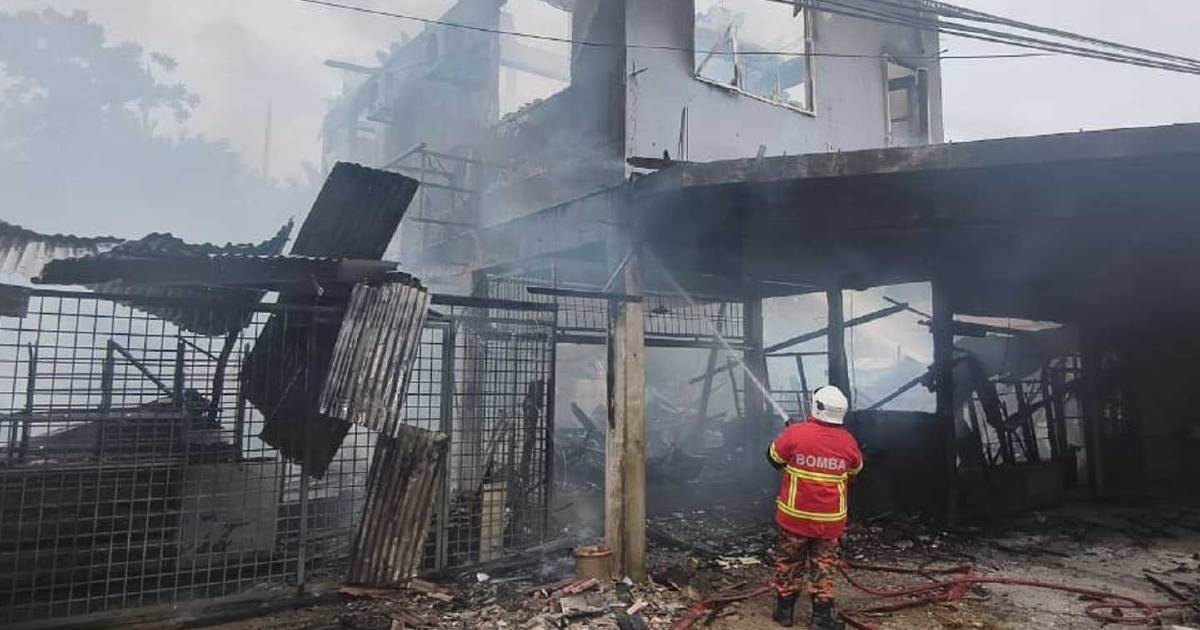
A 36-year-old man arrested on suspicion of deliberately setting fire to his mother's residence in Kampung Sungai Baru, Jitra, has been ordered to remain in police custody for five days as investigations proceed. The remand decision came as authorities seek to establish the circumstances and motive behind the alleged arson attack that destroyed the family home.
The incident, which occurred in this predominantly residential area of Kedah, has drawn attention to the troubling intersection of domestic disputes and violent property destruction in Malaysian households. Kampung Sungai Baru, situated in the Jitra district, is home to numerous family-oriented communities where such occurrences remain relatively rare, making this case particularly significant for local residents who have grown accustomed to the area's generally peaceful character.
Remand procedures in Malaysia typically allow authorities to detain suspects for questioning during critical early stages of criminal investigations. The five-day custody period provides investigators with adequate time to gather evidence, interview the suspect, and potentially identify corroborating witnesses who may have observed circumstances leading up to the alleged fire. This timeframe is standard for serious property crimes where establishing motive and securing admissions becomes crucial to prosecution.
The alleged arson raises important questions about family conflict resolution mechanisms in Malaysia and the escalation patterns that can occur when interpersonal tensions reach critical levels. Incidents involving property destruction within family contexts often indicate underlying psychological or emotional disturbances that, had they been addressed through proper counselling channels, might have been prevented entirely. Mental health support services remain underdeveloped in many Malaysian communities, leaving families to navigate serious crises without professional intervention.
Police investigations into such cases typically examine multiple dimensions, including the suspect's access to accelerants, the location and nature of ignition points discovered at the scene, and whether the suspect harboured documented grievances against family members. Forensic analysis of fire patterns, witness statements regarding the suspect's whereabouts and behaviour immediately before the incident, and examination of the suspect's financial or personal circumstances often prove decisive in establishing probable cause.
For the mother whose home was destroyed, this experience represents not only material loss but significant emotional trauma resulting from an alleged violent act perpetrated by her own child. The psychological ramifications of such betrayals within family structures often extend far beyond the immediate incident, affecting trust, security, and the victim's sense of safety within their own residence. Community support networks and victim assistance programmes become critical during recovery phases.
The remand decision must be reviewed periodically, and the suspect has the right to legal representation throughout the process. Defence arguments may address alternative theories regarding the fire's origin, challenge the evidence presented by investigating officers, or present mitigating circumstances relevant to sentencing should charges be formally filed. The balance between swift investigation and fair legal process remains fundamental to Malaysia's criminal justice system.
Arson cases involving residential properties carry serious criminal penalties under Malaysian law, with potential sentences reflecting both the intentional destruction of property and the inherent danger such actions pose to human life. Beyond the legal ramifications, prosecutions for property crimes within families often highlight the need for enhanced early intervention programmes that can identify at-risk individuals before violent escalation occurs.
The Jitra police are coordinating with Kedah State legal authorities to determine appropriate charges should evidence gathered during remand justify prosecution. Preliminary reports and witness statements collected at the scene establish the foundation upon which investigators build their case, though the investigation's direction may shift as new evidence emerges during the custodial period.
This case underscores broader concerns within Malaysian society regarding domestic violence and property destruction as expressions of family conflict. While arson represents the most dramatic manifestation, underlying patterns of aggression, substance abuse, or untreated mental health conditions frequently precede such incidents. Enhanced community education about recognising warning signs and accessing counselling services could substantially reduce incidents of this nature across the nation.

