Malaysia has entered a transformative phase for its social work sector with the tabling of the Social Work Profession Bill 2026 in Parliament, a development that the Malaysian Association of Social Workers (MASW) has hailed as a watershed moment in the profession's history. The bill represents the culmination of more than a decade of advocacy, positioning social work as a formally regulated discipline rather than an informal or ancillary support function within the broader welfare system. For a nation grappling with diverse social challenges—from urban poverty and family breakdown to mental health crises and vulnerable populations—the professionalisation of social work carries profound implications for how Malaysia structures its human services delivery.
The significance of this legislative moment extends beyond symbolic recognition. MASW president Dr Teoh Ai Hua articulated a vision whereby Malaysia's protection of citizens' wellbeing rests upon social workers who are competent, ethical and professionally accredited. This distinction matters practically: it introduces accountability mechanisms, educational standards, and ethical codes that have long been absent from a sector where practitioners often operated without formal qualification requirements or regulatory oversight. The bill therefore signals a fundamental shift in how the government views the role of social workers—not as supplementary helpers but as essential professionals whose expertise directly influences outcomes for vulnerable individuals and families.
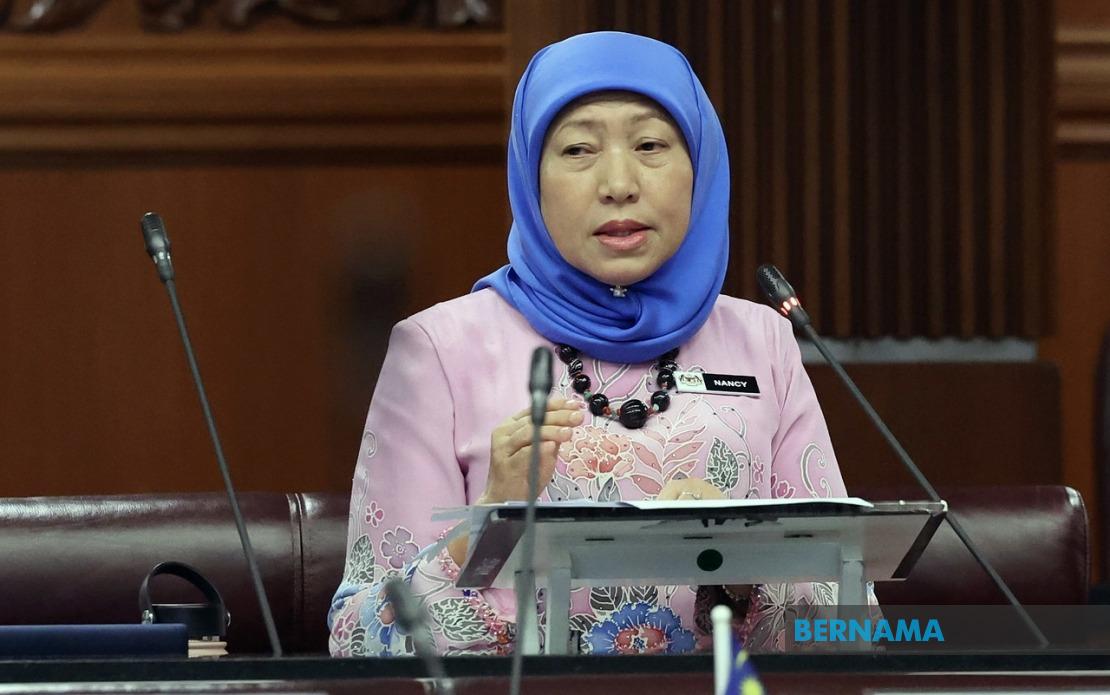
Women, Family and Community Development Minister Datuk Seri Nancy Shukri has championed the legislative push, and her ministry's sustained commitment illustrates broader government recognition that Malaysia's social protection architecture requires stronger professional foundations. The development context here is critical: Malaysia's middle-income status masks persistent pockets of vulnerability, and urbanisation has fragmented traditional family and community support networks. Social workers operate at the frontline of these fractures, intervening in cases of child abuse, domestic violence, elderly abandonment, and mental health crises. Formalising their profession ensures that such interventions follow evidence-based practices rather than ad-hoc approaches.
The bill's provisions anchor Malaysia to international benchmarks, specifically referencing the Ha Noi Declaration on Strengthening Social Work towards a Cohesive and Responsive ASEAN Community adopted in 2020, and the Global Standards for Social Work Education and Training published by the International Association of Schools of Social Work (IASSW) and the International Federation of Social Workers (IFSW). This alignment carries regional significance: as ASEAN nations increasingly recognise social work's role in addressing transnational challenges—human trafficking, migrant worker exploitation, regional inequality—standardised professional frameworks facilitate cross-border cooperation and knowledge exchange. Malaysia's formalisation thus positions it as a thought leader within Southeast Asia's social development agenda.
The legislative journey itself illuminates the challenges facing sectoral reform in Malaysia. Work on the bill commenced in 2010, spanning sixteen years of deliberation involving MASW leaders, university-based social work educators, practitioners from government agencies and non-governmental organisations, alongside parliamentary technical committees. This extended timeline reflects the complexity of constructing professional regulation that must accommodate diverse employment contexts—social workers operate within government ministries, local authorities, hospitals, schools, and civil society organisations, each with distinct operational cultures and resource constraints. The bill had to reconcile these varied landscapes while establishing minimum standards applicable across settings.
MASW vice-president Dr Mohd Iqbal Haqim Mohd Nor characterised the tabling as transforming years of advocacy into tangible institutional change, a framing that acknowledges the labour of constituency-building required for sectoral legislation. Social workers themselves have historically lacked political visibility despite their frontline roles in welfare delivery. This invisibility partly stems from the profession's inherent focus on marginalised populations whose policy influence remains limited. By mobilising MASW as a collective voice, the profession has finally secured legislative attention—a development that depends on sustained parliamentary and public support through implementation phases.
Honorary secretary Amy Bala's call for constructive parliamentary deliberation and resource allocation underscores implementation as the critical next phase. Legislation establishing standards means little without funding for professional development programmes, regulatory enforcement capacity, and competitive compensation to attract skilled practitioners. Malaysia's experience with previous social sector reforms suggests that post-passage funding often falls short of legislative intent, leaving professionals stretched and outcomes compromised. The bill's effectiveness ultimately depends on whether government budgets reflect parliament's rhetorical commitment to professionalisation.
The profession's formalisation carries implications for Malaysia's broader social development trajectory. As the nation aspires toward high-income status, social protection systems become increasingly important in managing transitions away from informal safety nets. Formal social work regulation facilitates evidence gathering about intervention effectiveness, enables skills development, and creates pathways for career progression that may attract graduate talent into the field. These institutional improvements compound over time, potentially shifting Malaysia's social outcomes in measurable ways.
For Malaysian readers, the bill's passage holds personal relevance depending on engagement with social services. Families navigating child protection systems, elderly care arrangements, or mental health crises may encounter better-trained practitioners operating within clearer ethical guidelines. Vulnerable populations—domestic violence survivors, street children, persons with disabilities—theoretically gain access to more standardised, evidence-informed support. Whether these theoretical benefits realise depends on implementation fidelity, which remains uncertain until budgets are allocated and training infrastructure established.
The bill also creates professional opportunities for Malaysians studying social work or considering the field as a career. Current graduates often lack clear regulation governing their credentials or employment prospects, creating disincentives for talented individuals to enter the sector. Formalisation may reverse this trend, enabling social workers to command professional recognition and compensation commensurate with their qualifications. This career pathway development proves crucial given Malaysia's ongoing difficulty attracting skilled personnel to lower-visibility sectors.
Regionally, Malaysia's professionalisation of social work may influence neighbouring countries weighing similar reforms. Singapore, Thailand, Indonesia, and the Philippines each grapple with social service delivery challenges and varying degrees of social work professionalisation. Malaysia's model—incorporating international standards while adapting to Southeast Asian contexts—potentially offers a template for region-wide sectoral strengthening. ASEAN's collaborative social development agenda could accelerate if Malaysia successfully demonstrates that formalised social work improves population outcomes.
The immediate priority is securing parliamentary passage without dilution of key provisions. MASW has called for stakeholder engagement in deliberations, signalling that the profession seeks input from government agencies, NGOs, and academic institutions in refining the bill. This collaborative approach may strengthen the final product, though consensus-building creates passage delays. The balance between inclusive deliberation and legislative momentum will shape whether the bill advances swiftly or stalls in committee work.

