The Malaysian Armed Forces Residential Colleges (MRSMs) are set to welcome 16 former military personnel into dedicated warden positions starting Wednesday, July 1. This marks the second operational phase of MARA's strategy to recruit seasoned military veterans for full-time disciplinary and pastoral care roles across eight selected institutions nationwide. The move represents a significant shift in the administrative approach to student welfare at these prestigious boarding establishments, which serve some of Malaysia's brightest secondary school pupils.
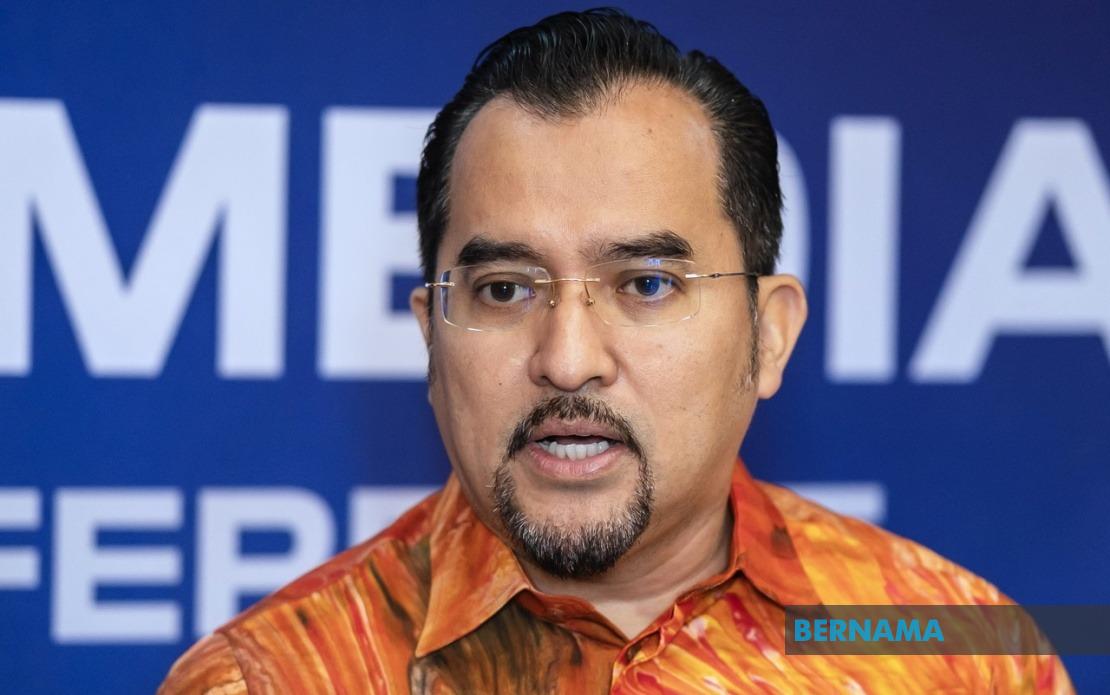
MARА Chairman Datuk Dr Asyraf Wajdi Dusuki outlined the rationale behind the expanded programme, emphasising that strengthening institutional discipline and eliminating bullying remain paramount objectives. The recruitment drive builds upon preliminary success from a pilot initiative that commenced at MRSM Besut and MRSM Balik Pulau on October 18 of last year. Those earlier appointments provided valuable operational insights that shaped the current nationwide rollout, demonstrating the feasibility and potential benefits of deploying former military officers in these specialised roles.
The current phase will ultimately establish a complement of 32 full-time wardens distributed across the eight participating colleges, with each institution staffed by two male and two female wardens. The male contingent of 16 begins their appointments on July 1, whilst the female recruitment process remains underway. MARA received 162 applications from female candidates, who underwent online assessment on June 25 followed by physical interviews scheduled for July 2. Female warden appointments are anticipated to follow swiftly upon completion of comparable vetting procedures, contingent on successful passage through the screening framework.
The selection methodology employed rigorous multi-stage evaluation encompassing psychological profiling, physical fitness testing, and extensive background verification. Initial screening was conducted jointly by Glokal Link Sdn Bhd—a MARA subsidiary—in partnership with the MARA Secondary Education Division, the Veterans Affairs Department, TalentCorp, and the Malaysian Armed Forces Psychology and Counselling Section. Physical interviews were held on June 15 and 16 at the MARA Higher Skills Institute in Kepong, drawing 147 candidates including 139 male applicants who survived preliminary elimination rounds. This collaborative approach ensures standards remain consistent and institutional knowledge flows across multiple government stakeholder agencies.
Eligibility criteria impose stringent requirements on all applicants. Candidates must be formally recognised ATM veterans who honourably completed military service without facing discharge for misconduct, serious disciplinary breaches, or legal violations. The Veterans Affairs Department conducted preliminary screening to verify these credentials before candidates proceeded to TalentCorp assessments. This gatekeeping function ensures that only individuals of demonstrated character and professional standing advance through subsequent evaluation phases, protecting the colleges from reputational exposure and safeguarding the student population.
Beyond credentials verification, the appointment process incorporates comprehensive psychometric and health evaluation instruments designed to identify candidates genuinely suited to residential pastoral care. Applicants underwent MyNext OCEAN and RIASEC psychometric testing, military psychological assessments, mental health screening, body mass index evaluation, and structured bleep fitness testing. Multidisciplinary panel interviews provided additional evaluation opportunities, with shortlisted individuals subsequently undergoing psychological and biofeedback evaluations administered by Malaysian Armed Forces psychologists. These assessments specifically target candidate suitability for hostel environments, appropriate interpersonal boundaries with students, impulse control mechanisms, and risk mitigation regarding child protection and sexual misconduct—domains of understandable concern given residential college contexts.
Comprehensive background checks constitute another critical safeguard. Before appointment letters are issued, Glokal Link ensures verification of veteran status, conducts criminal record checks through the Royal Malaysia Police, and screens nominees against the child sexual offenders registry. This layered verification architecture reflects institutional determination to prevent appointment of unsuitable candidates. Datuk Dr Asyraf Wajdi emphasised that no offer letter will be finalised until all critical screening processes reach completion, establishing a principle of uncompromising selectivity. Only individuals demonstrating genuine qualification, unblemished records, manifest integrity, and psychological suitability for MRSM hostel placement receive consideration.
For Malaysian and Southeast Asian observers, this initiative carries broader significance beyond disciplinary improvements at individual institutions. The programme represents deliberate channelling of military expertise into civilian educational administration, reflecting government recognition that veterans possess specialised skills applicable to institutional management and student governance. By creating structured employment pathways for former military personnel, MARA simultaneously addresses veteran reintegration challenges whilst injecting professional discipline into college operations. This employment model may offer templates for other Malaysian educational institutions or regional governments seeking to strengthen residential college management without requiring wholesale restructuring of existing administrative systems.
The expansion trajectory reveals institutional ambition. MARA intends staged programme enlargement covering all 58 MRSMs nationwide, with a third implementation phase commencing January 1, 2027. This deliberate pacing permits continuous programme refinement based on accumulated operational experience. The staged approach reduces implementation risks whilst allowing adequate time for quality assurance, documentation of best practices, and necessary adjustments based on institutional feedback. By commencing with eight colleges and expanding progressively, MARA demonstrates commitment to sustainability rather than hasty, potentially problematic nationwide rollout.
Parental and stakeholder expectations clearly drove the rigorous vetting framework. Datuk Dr Asyraf Wajdi explicitly prioritised public confidence, parental reassurance, and stakeholder satisfaction regarding warden appointment integrity. This accountability orientation reflects recognition that residential colleges operate within communities expecting transparent, defensible personnel decisions. The detailed emphasis on screening processes—whether redundant to some observers—directly addresses legitimate parental concerns about safeguarding, institutional governance, and student welfare. By publicly articulating the screening methodology, MARA attempts to rebuild confidence following any prior incidents or concerns regarding college discipline and student safety.
The Malaysian educational context supplies additional perspective on this initiative's significance. MARA Junior Science Colleges serve as development pipelines for high-achieving students pursuing advanced academic pathways, often entering engineering, medicine, or other elite professional disciplines. Student populations comprise significant percentages from Bumiputera backgrounds, reflecting MARA's institutional mission. Strengthening operational discipline and eliminating bullying within these privileged institutions carries implications extending beyond the colleges themselves, affecting talent development trajectories and professional pipeline integrity. Enhanced disciplinary standards and improved residential environments potentially support superior academic outcomes and healthier student development, generating societal returns beyond institutional boundaries.
Looking forward, the veteran warden programme invites comparative analysis with residential college management practices across Southeast Asia and globally. Whether other Malaysian institutions will adopt similar models remains uncertain, though the framework's apparent effectiveness may encourage broader implementation. Regional educational administrators may study MARA's approach when developing strategies for residential college improvement, particularly regarding personnel recruitment and institutional culture strengthening. The programme also demonstrates innovative policy responses to concurrent challenges—improving educational environments whilst creating dignified employment opportunities for military veterans, addressing multiple policy objectives within integrated framework.
The appointment process concludes what MARA describes as careful, integrity-centred implementation prioritising student safety and institutional welfare. By establishing uncompromising standards, engaging multiple oversight agencies, and emphasising transparent procedures, MARA attempts to ensure that warden appointments earn public confidence. Whether the appointment cohort successfully fulfils institutional objectives—measurably reducing bullying, strengthening student discipline, improving college environments—will become apparent through subsequent years. The programme represents institutional commitment to treating student welfare seriously, mobilising experienced personnel and comprehensive evaluation frameworks toward that objective.

