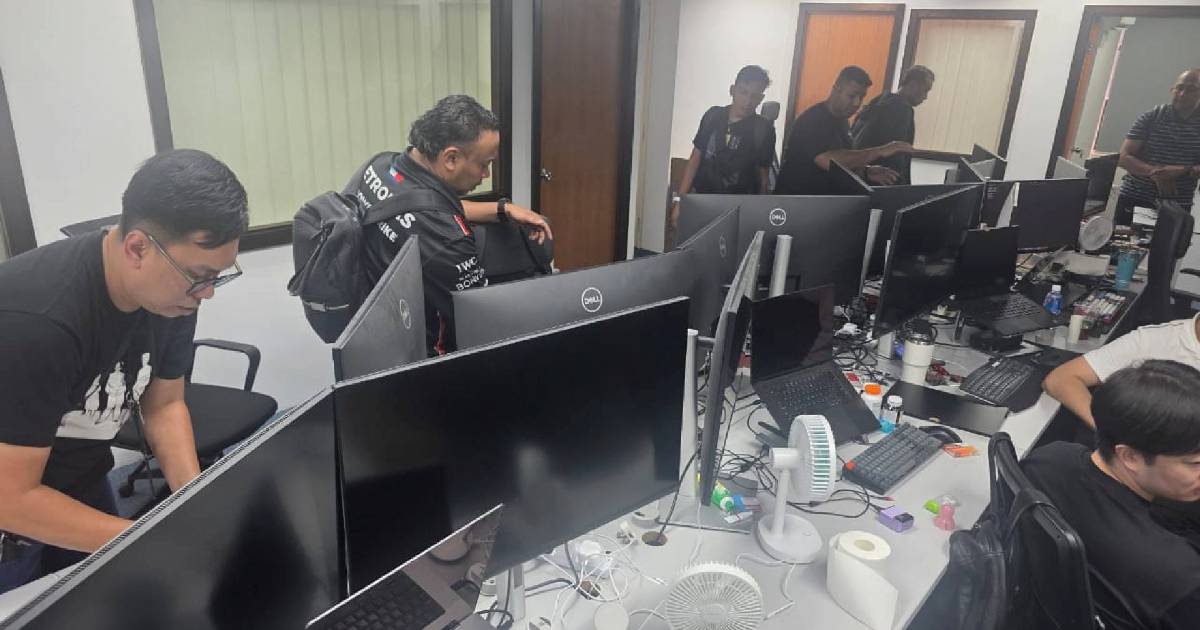
Authorities in Kuala Lumpur have made significant headway against organised gambling networks, with police conducting a decisive operation targeting an unlicensed World Cup betting call centre that operated from a commercial office building in Taman Desa, Brickfields yesterday. The enforcement action resulted in the arrest of 11 individuals, of whom six were identified as South Korean nationals, marking another example of the region's role in facilitating international illegal gambling operations.
The raid represents part of ongoing efforts by Malaysian law enforcement to dismantle underground betting networks that have proliferated alongside major international sporting events. Such operations typically exploit the massive global audience and substantial wagering volumes associated with tournaments like the FIFA World Cup, which attracts billions of dollars in both legal and illegal betting activity worldwide. The Kuala Lumpur operation's location in a commercial office building underscores how these syndicates increasingly blend into legitimate business infrastructure to evade detection.
The presence of six South Korean nationals among those detained highlights the transnational dimension of modern gambling syndicates. Southeast Asia, particularly Malaysia, has become a hub for such operations due to the region's geographical position, relatively advanced telecommunications infrastructure, and complex corporate registration systems. South Korean betting syndicates in particular have expanded their footprint across Asia, often recruiting local staff and establishing call centres that facilitate wagering for clients across multiple countries simultaneously.
World Cup tournaments generate unprecedented demand for betting services, creating opportunities for criminal networks to operate with reduced visibility during periods when legitimate gambling revenue also spikes. The timing of this raid suggests police intelligence operations have been tracking this particular operation, potentially for several weeks or months leading up to the enforcement action. The concentration of betting activities in a single identifiable location may have made the syndicate vulnerable to routine commercial surveillance or tip-offs from building management or adjacent tenants.
The operational structure of such call centres typically involves tiered hierarchies, with expatriate managers overseeing local recruitment, customer acquisition, and funds management. These networks often employ sophisticated betting software platforms that mirror legitimate online sportsbooks, using encrypted communications and digital payment systems to mask their illegal status. The office building setting suggests the operation maintained a veneer of legitimacy, potentially disguised as a legitimate business, finance, or consulting firm.
For Malaysian authorities, combating these networks presents escalating challenges as betting syndicates become more technologically sophisticated and internationally coordinated. Immigration violations, unlicensed gambling operations, money laundering, and potentially organised crime statutes may all apply in cases of this magnitude. The involvement of foreign nationals complicates prosecution, potentially requiring cooperation with South Korean law enforcement and diplomatic channels.
The financial scale of these operations can be substantial. A single World Cup betting call centre might facilitate millions of ringgit in wagering activity during a tournament period, with operations spanning timezone advantages to serve clients across Asia, Europe, and potentially beyond. The margin structures for illegal betting operations typically exceed legitimate alternatives, allowing operators to invest heavily in infrastructure, staff recruitment, and corruption of officials.
Malaysia's legal framework prohibits unlicensed gambling operations, with enforcement primarily falling to police and the Gambling Task Force. However, the cross-border nature of these syndicates means detection and prosecution remain ongoing challenges. The arrest of an entire operational team suggests either intelligence gathering success or the operation's exposure through customer complaints, financial irregularities, or competitive rivalry among betting networks.
Beyond the immediate law enforcement context, this raid reflects broader regional concerns about organised crime connected to sports betting. Money laundering risks are substantial, as betting networks often serve as fronts for capital flight and proceeds cleaning. The involvement of international criminal networks in sports betting also raises match-fixing risks, potentially compromising the integrity of sporting competitions that Malaysian audiences and broadcasters follow intensively.
The case underscores why Southeast Asian nations have intensified cooperation on gambling enforcement, with information sharing protocols now increasingly routine among ASEAN member states. Malaysian authorities have demonstrated capacity to identify and dismantle sophisticated operations, though resource constraints and the sheer volume of digital betting platforms create ongoing pressure on enforcement capabilities. Prosecution outcomes from this specific raid will provide valuable precedents for handling future cases involving foreign nationals operating gambling syndicates domestically.

