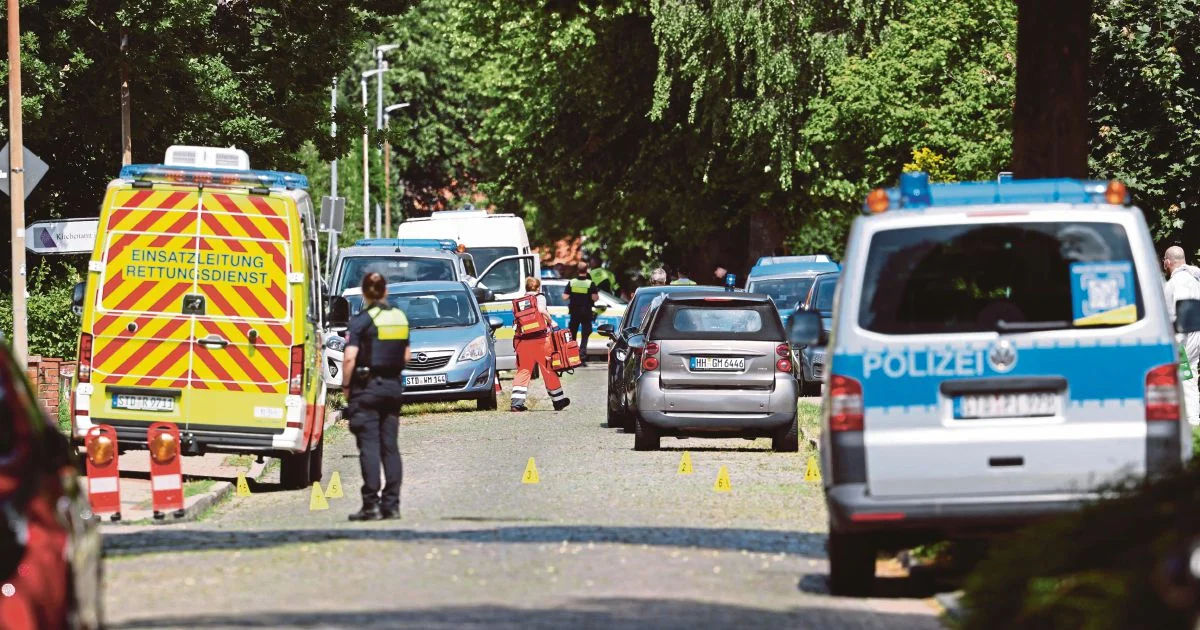
A shooting at a youth welfare facility in Germany has left six people dead, marking another incident of gun violence in the European nation where such occurrences remain relatively rare. Police responded to the scene at a centre serving mothers and their children on Monday, where they apprehended both a male gunman and a female companion in connection with the attack. Investigators characterised the incident as a probable family tragedy, suggesting potential domestic dimensions to the violence rather than a random act.
The facility targeted in the shooting provides support services for mothers and young children, making the choice of location particularly disturbing to community members and officials. Youth welfare centres across Germany typically offer counselling, childcare, and other social services designed to support vulnerable families navigating difficult circumstances. The attack on such an institution raises questions about security protocols at facilities housing some of society's most at-risk populations.
German law enforcement moved quickly to secure the scene and detain suspects. The arrest of both the male shooter and his female companion suggests the investigation may reveal complex interpersonal relationships at the heart of the tragedy. Police statements emphasising the family tragedy angle indicate preliminary findings pointing toward personal grievances or domestic conflict rather than ideological motivations that have driven other mass shooting incidents in Europe.
Investigations into mass shootings in Germany typically intensify scrutiny of gun ownership laws, which remain stricter than in many Western nations. Germany has implemented comprehensive firearm regulations requiring licensing, background checks, and psychological evaluations for prospective owners. Despite these controls, licensed individuals with clean records can still legally possess firearms for hunting and sport shooting purposes. The incident will likely reignite debates about whether existing safeguards adequately prevent those with hidden conflicts or undisclosed mental health concerns from accessing weapons.
For Malaysian observers, the German approach to firearms regulation offers contrast to Asia's generally more restrictive approach. While Malaysia permits firearm ownership through a licensing system administered by police, the approval process remains stringent and ownership rates far lower than in Western countries. Episodes of gun violence in developed European nations often prompt comparative analysis in Southeast Asian media regarding the relationship between gun availability and public safety outcomes.
The location of the shooting at a mothers and children's facility carries particular weight in the German context, where child welfare and family support services have expanded significantly since the postwar period. These centres represent state commitment to assisting vulnerable families, and violence at such locations strikes at the heart of public trust in social institutions. The trauma experienced by survivors, witnesses, and the broader community extends beyond the immediate casualties to encompass widespread anxiety about safety in spaces designed for protection and assistance.
Family tragedies involving firearms have occurred periodically across Germany, typically involving domestic disputes that escalate into lethal violence. The description by police of this incident as a likely family tragedy suggests investigators have identified connections between the perpetrator and victims rather than discovering evidence of random targeting. Understanding these relationships will be crucial for comprehending how the situation spiralled into mass shooting and informing future prevention strategies.
The arrest of both a male and female suspect indicates the investigation may reveal shared responsibility or differing roles in the incident. Whether the female companion actively participated in the shooting, assisted in its planning, or became involved under duress remains to be determined through ongoing police inquiries. The involvement of multiple actors complicates the narrative beyond that of a single shooter acting alone.
For European law enforcement agencies, Monday's shooting adds to growing concerns about mass violence incidents despite historically lower rates compared to the United States. Germany has experienced several notable shootings in recent decades, each prompting public soul-searching and policy discussions. The prevalence of gun ownership among licensed, previously law-abiding individuals means prevention strategies must extend beyond simply restricting access to consider early intervention in family crises and mental health support.
The youth welfare sector across Europe will likely respond to this incident by reviewing security measures at similar facilities. Balancing the need to create welcoming, accessible spaces for vulnerable populations with security considerations presents ongoing challenges for administrators and policymakers. Increased police presence, improved access controls, and staff training in recognising warning signs may emerge as common responses.
As investigations proceed, authorities will examine the shooter's background, access to firearms, previous warning signs, and any documented conflicts with victims. Family members, social workers, and neighbours may provide crucial context regarding relationship dynamics and potential indicators that violence was imminent. Understanding why this particular moment escalated from conflict to bloodshed remains central to investigators' work and public understanding of the tragedy.

