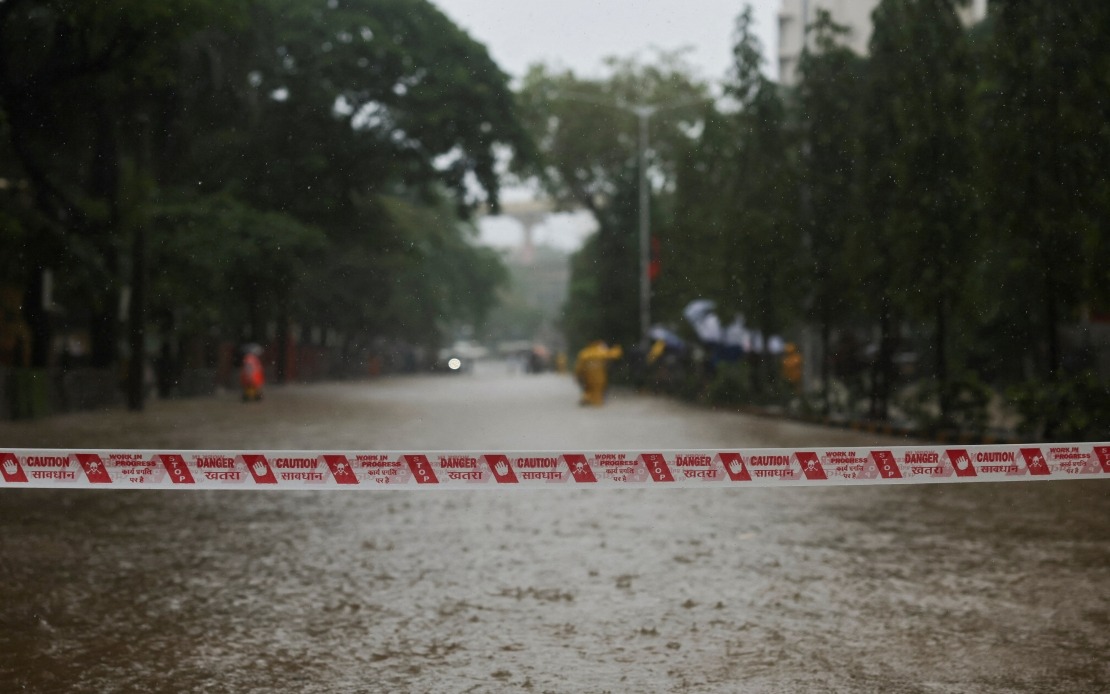
A catastrophic building collapse in India's financial hub claimed six lives on Sunday as the monsoon season intensified across the subcontinent, highlighting the recurring vulnerability of urban infrastructure to extreme weather events. The tragedy unfolded in Mumbai's Mankhurd district following sustained heavy rainfall accompanied by powerful winds that overwhelmed the structural integrity of the residential structure. One additional person sustained injuries in the incident, which has renewed scrutiny on construction standards and maintenance practices in India's densely populated metropolitan areas.
State Minister Girish Mahajan, a senior Maharashtra BJP leader, confirmed details of the disaster to reporters while pledging a comprehensive investigation into the circumstances surrounding the building's construction and design. His commitment to examining how the structure was originally built suggests concerns about potential lapses in regulatory oversight or substandard construction practices that may have contributed to the collapse. Such inquiries typically assess whether proper engineering standards were adhered to during construction and whether structural integrity was maintained through regular inspections and maintenance protocols.
The impact of Sunday's severe weather extended beyond the immediate tragedy. Mumbai's Chhatrapati Shivaji Maharaj International Airport, one of South Asia's busiest aviation hubs, experienced temporary disruptions to flight operations due to the combination of heavy precipitation and strong winds. While operations resumed relatively quickly, the incident underscores how monsoon conditions can affect critical infrastructure across multiple sectors simultaneously, from residential buildings to transportation networks that depend on precise operational conditions.
In response to the hazardous weather situation, local authorities took the precautionary measure of declaring a holiday for educational institutions throughout affected areas. This decision prioritised student safety by preventing large numbers of young people from commuting through dangerous conditions characterised by reduced visibility, waterlogged roads, and the risk of further structural failures. The closure of schools reflects standard disaster management protocols adopted across Indian cities during particularly severe weather events.
The Indian subcontinent experiences its annual monsoon cycle beginning predominantly in June and persisting through September, making this a predictable yet challenging period for urban planners and administrators. During these months, many regions receive the majority of their annual rainfall concentrated within a compressed timeframe, creating enormous pressure on drainage systems, building foundations, and infrastructure designed during planning phases that may not fully account for climate intensification in recent decades. Southeast Asian nations, including Malaysia, face similar seasonal challenges, making the Mumbai incident particularly resonant for regional policymakers.
Building collapses triggered by heavy rains remain a persistent problem across South Asia, often exposing deficiencies in enforcement of building codes, inadequate maintenance of ageing structures, and the proliferation of unauthorised or informal construction in urban sprawl areas. The Mankhurd incident adds to a documented pattern where monsoon seasons precipitate structural failures in cities where rapid urbanisation has outpaced infrastructure development and regulatory capacity. Investigations following such incidents frequently reveal that buildings were constructed without proper waterproofing, adequate drainage considerations, or reinforcement sufficient to withstand the design loads anticipated during extreme weather.
For Malaysian observers, the Mumbai disaster serves as an instructive case study in infrastructure vulnerability management. While Malaysia's building regulations and enforcement mechanisms are generally more robust than in many South Asian jurisdictions, the nation's own exposure to heavy monsoon rains and occasional extreme weather events demands continuous vigilance regarding structural safety standards. Malaysian engineers and urban planners can draw lessons from how such incidents occur and identify preventative measures applicable to the local context, particularly in older residential areas and informal settlements where oversight may be less stringent.
The investigation announced by Maharashtra authorities will likely examine multiple contributing factors beyond rainfall intensity, including the building's age, previous maintenance records, quality of materials used in construction, and compliance with relevant building codes at the time of original construction. Such comprehensive reviews typically involve structural engineers, municipal officials, and sometimes judicial oversight to establish accountability and identify systemic failures that enabled the tragedy. The findings will inform future policy decisions regarding building inspection frequencies, maintenance standards, and retrofit requirements for structures identified as potentially vulnerable.
Beyond the immediate investigation, the incident raises broader questions about infrastructure resilience in the face of increasingly severe weather patterns. Climate projections suggest that monsoon intensity may fluctuate unpredictably, requiring urban planners to design infrastructure capable of withstanding rare but possible extreme events. For Malaysia and other Southeast Asian nations, this implies investing in comprehensive structural audits of existing buildings, strengthening enforcement of building codes, and incorporating climate adaptation considerations into urban development planning. The six deaths in Mumbai represent a preventable tragedy that underscores the critical importance of maintaining high standards throughout the entire lifecycle of building structures, from initial design through construction and ongoing maintenance.

