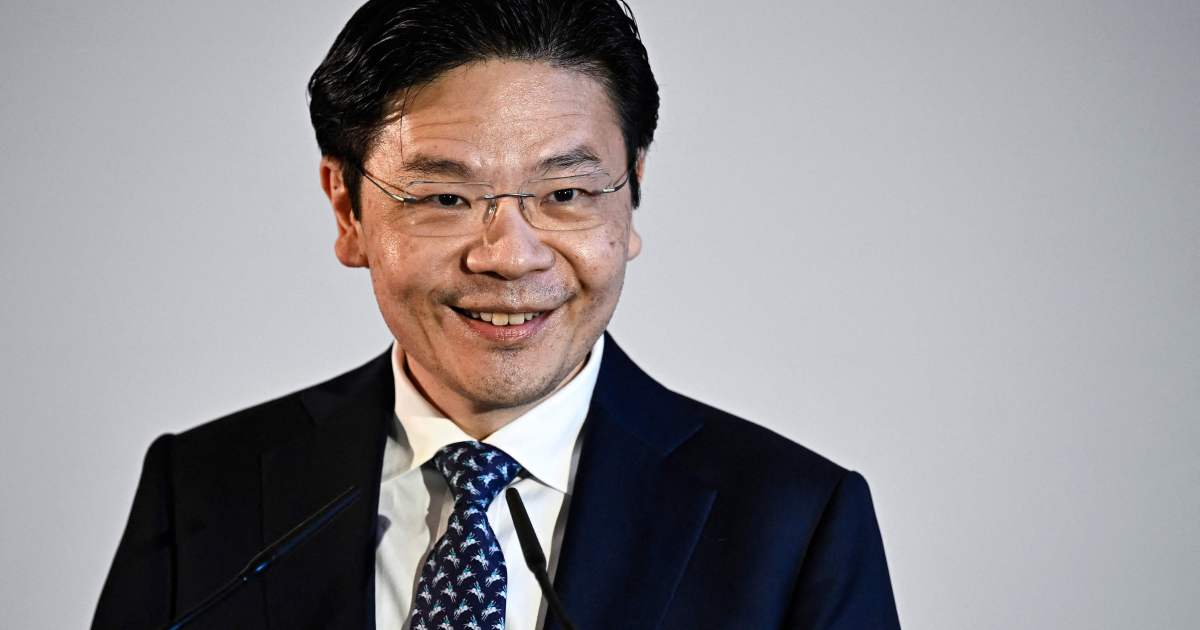
Prime Minister Lawrence Wong of Singapore unveiled a comprehensive cabinet reorganisation and a slate of new political assignments on Wednesday, signalling the continuation of leadership renewal within the city-state's government following the recent exodus of senior officials. The reshuffle represents a deliberate recalibration of ministerial portfolios and represents one of the more substantial shifts in Singapore's executive governance since Wong himself assumed the premiership, underscoring the administration's commitment to refreshing its bench strength and positioning the island nation for the policy challenges ahead.
The timing of these announcements comes against a backdrop of personnel changes that have seen several prominent political figures step down from their posts in recent months. These departures had created vacancies across multiple departments and raised questions about succession planning within the People's Action Party (PAP), which has governed Singapore uninterrupted since independence. By moving swiftly to fill these positions and redistribute responsibilities, Wong has attempted to project stability and demonstrate that the government possesses sufficient depth of talent to navigate transitions without disruption to its governance agenda.
Ministerial reshuffles in Singapore traditionally serve multiple purposes beyond merely filling vacant positions. They function as instruments of meritocratic advancement, allowing the government to identify and promote capable administrators into positions of greater responsibility. The appointments announced by Wong will likely reflect the administration's assessment of which officials are ready for expanded roles and which policy areas require fresh strategic direction. For regional observers and the international business community based in Singapore, such reshuffles often signal shifts in policy emphasis or priority.
The cabinet changes carry particular significance for Malaysia and other Southeast Asian nations that maintain close ties with Singapore on matters ranging from trade and investment to security and environmental cooperation. Singapore's government structure and policy orientation directly influence bilateral and regional diplomatic relationships, and changes to the composition of economic and foreign policy portfolios can reshape the character of these engagements. Malaysian stakeholders with interests in Singapore—whether in finance, logistics, or cross-border economic ventures—will be monitoring how the new appointments influence the city-state's commercial and diplomatic positioning.
Wong's approach to this reshuffle appears designed to balance continuity with renewal. While the departure of previous officeholders created an imperative for change, the prime minister appears cognisant of the need to retain institutional knowledge and prevent wholesale disruption to ongoing government operations. This calibrated approach reflects the Singapore administration's characteristic pragmatism in managing transitions within a tightly organised political establishment where orderly succession and maintenance of governmental effectiveness are paramount values.
The specific portfolio allocations within this reshuffle warrant close attention, particularly those involving trade, foreign relations, and economic policy. Singapore's role as a regional financial hub and its strategic importance in Southeast Asian geopolitics mean that changes to the leadership of relevant ministries can ripple across the broader region. The appointments of individuals to sensitive positions, particularly those affecting cross-border commerce or diplomatic affairs, will influence how Singapore engages with neighbouring economies including Malaysia.
For domestic political observers in Singapore, the reshuffle also represents an opportunity to assess the depth and diversity of talent within the PAP's leadership ranks. The calibre of individuals selected for advancement and the breadth of their experience will influence perceptions about the party's capacity to sustain effective governance over the coming decade. International analysts increasingly focus on succession management in Singapore given the country's reliance on technocratic excellence and political stability to maintain its competitive advantages.
The announcements reflect Wong's personal imprint on his administration following his transition into the premiership. Every prime minister uses cabinet reshuffles to establish their leadership style and priorities, and the choices made regarding who ascends to senior positions and which ministries receive particular emphasis reveal the political direction the administration intends to pursue. The reshuffle thus serves as a window into Wong's strategic priorities and his vision for Singapore's governance during his tenure.
Within the broader context of Southeast Asian politics, Singapore's internal administrative changes often prompt reflection within neighbouring governments about their own succession planning and institutional depth. Malaysia and other regional countries occasionally draw lessons from Singapore's meritocratic approach to public administration, even where political systems differ substantially. The competence and efficiency with which Singapore manages governmental transitions therefore carries subtle but genuine influence on regional administrative standards and expectations.
Looking forward, the effectiveness of Wong's reshuffle will be judged partly on whether the new appointments succeed in stabilising the government after the recent departures and partly on whether the redistributed ministerial roles generate improved policy outcomes. Singapore's electorate, while relatively quiescent compared to other democracies, does monitor government performance closely, and perceived ineffectiveness or instability can gradually erode public confidence. The prime minister's task involves ensuring that the new team functions cohesively and delivers tangible results across multiple policy domains.
The reshuffle also arrives at a moment when Singapore confronts evolving regional dynamics, including shifts in great power competition, supply chain restructuring following pandemic disruptions, and environmental pressures that demand sophisticated policy responses. The quality and strategic acumen of the officials positioned to lead relevant ministries will influence Singapore's capacity to navigate these multifaceted challenges. For Malaysian observers and other regional stakeholders, the cabinet reorganisation represents a significant moment to reassess Singapore's governmental direction and probable policy emphases in the years ahead.

