Singapore's Prime Minister Lawrence Wong has conveyed his formal condolences to Indonesia's President Prabowo Subianto in the wake of a catastrophic earthquake that devastated the Flores region in eastern Indonesia last weekend. The tremor, which registered 7.7 on the magnitude scale, struck off the coast of the island on Saturday morning (August 15), leaving dozens dead and inflicting substantial structural damage across the affected communities. Wong's expression of sympathy, shared through a Facebook statement on Sunday (August 16), underscores the regional diplomatic response to one of Indonesia's most serious natural disasters in recent months.
The initial Flores earthquake was followed within hours by a second significant seismic event off the northern coast of Sumatra, registering 6.1 in magnitude. Indonesian authorities reported no immediate casualties from this secondary quake, though both events have heightened seismic activity across the archipelago and raised concerns among regional governments about the broader implications for the vulnerable zone. The rapid succession of major earthquakes within such a short timeframe illustrates the ongoing tectonic instability affecting Indonesia's eastern regions, an area known for its position along the Pacific Ring of Fire.
According to Indonesian authorities' assessment released on August 16, the Flores earthquake resulted in the deaths of more than 50 individuals, with at least 135 others sustaining injuries. The destruction extended to hundreds of residential structures and public buildings, leaving numerous families without shelter. The scale of this human tragedy prompted immediate concern from neighbouring governments, particularly Singapore, which maintains close political and economic ties with Indonesia as a fellow Southeast Asian nation and ASEAN member.
In his official statement, Wong articulated Singapore's solidarity with Indonesia during the emergency period, emphasizing the government's commitment to supporting relief efforts. He conveyed Singapore's heartfelt condolences and sympathies on behalf of the entire Singapore Government to the bereaved families and all those affected by the disaster. His words reflected the formal diplomatic protocols observed among ASEAN neighbours when major humanitarian crises occur within the region, acknowledging both the human cost and the collective responsibility of the regional community.
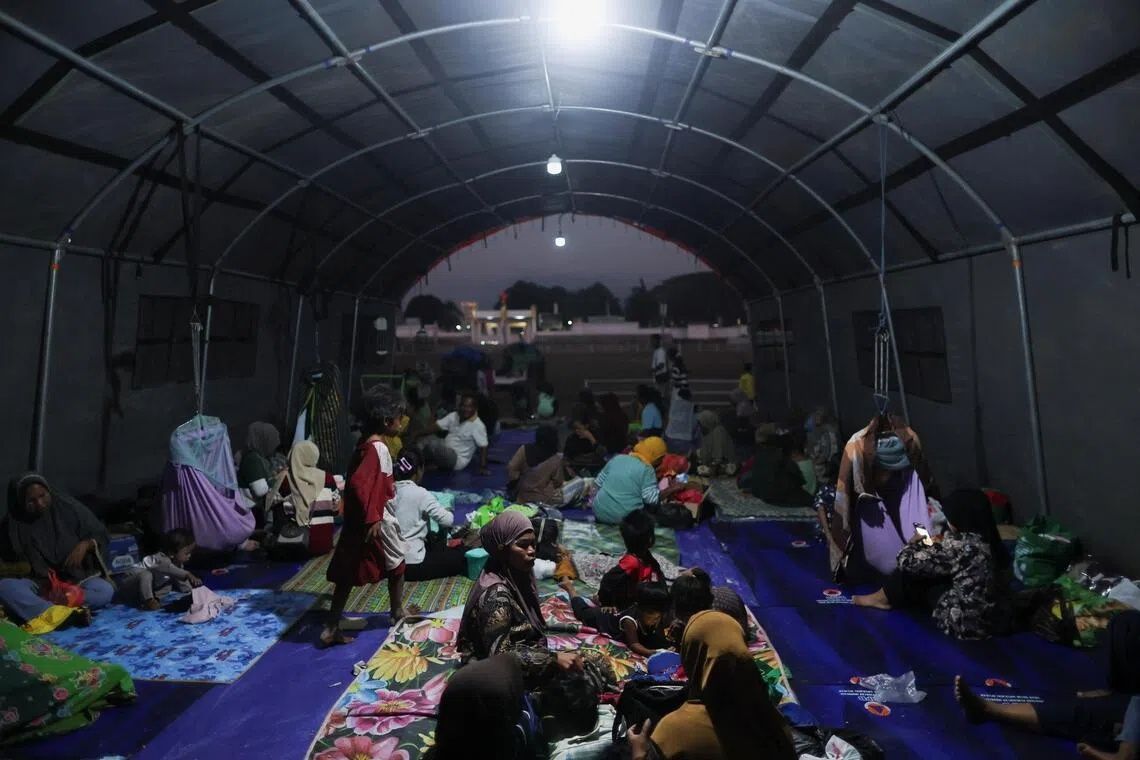
The earthquake triggered a mass exodus from affected areas, with approximately 5,000 residents abandoning their homes as the initial tremor struck on the morning of August 15. Indonesia's national disaster management agency reported that nearly 1,000 aftershocks followed the main quake in the subsequent hours, creating an environment of persistent danger and psychological trauma for survivors. This prolonged aftershock sequence hampered rescue operations and deterred residents from returning to their homes, even after initial structural assessments indicated certain areas might be safe to inhabit.
According to rescue and relief officials on the ground, survivors faced urgent and critical shortages across multiple categories of essential supplies as of August 16. The immediate needs included emergency shelter materials, notably tents and temporary housing solutions, alongside adequate provisions of food and clean drinking water. Medical supplies and medicines were in high demand given the substantial injury toll, while electricity generators represented a crucial requirement for both emergency operations and basic livelihood functions in areas where infrastructure had been severely compromised. The coordination of this diverse array of humanitarian assistance posed significant logistical challenges for Indonesian relief agencies and international partners.
Wong's public statement served not only as an expression of personal sympathy from Singapore's leadership but also as a signal of potential institutional support. Singapore has historically responded to major disasters affecting ASEAN neighbours through both diplomatic gestures and practical assistance, including contributions to disaster relief funds and coordination of technical expertise. The Prime Minister's prompt communication through social media platforms ensured wide public awareness of Singapore's position and commitment within Indonesian society, reinforcing bilateral relations during a period of vulnerability for the Indonesian government.
The timing of these earthquakes carries particular significance for Indonesia's political context, as they tested the response capacity of the newly installed administration under President Prabowo Subianto. Natural disasters frequently become benchmarks by which new governments are evaluated, with the public scrutinizing the speed, adequacy, and coordination of official responses. Singapore's expression of support and willingness to engage with the Indonesian government during this crisis reflected regional expectations that ASEAN members would present a united front in responding to humanitarian emergencies affecting any member state.
For Malaysian observers and regional stakeholders, the Flores earthquake serves as a stark reminder of Southeast Asia's persistent vulnerability to seismic and geological hazards. Malaysia itself sits on relatively stable continental structures compared to Indonesia's position astride active plate boundaries, yet the region's interconnected economies and populations mean that major disasters in any country inevitably affect neighbours through disrupted supply chains, displaced workers, and strain on regional resources. Wong's measured diplomatic response represents the kind of regional cooperation and mutual support that underpins ASEAN's institutional stability, even as individual members face distinct geopolitical and security challenges. The incident also underscores the importance of maintaining robust disaster preparedness frameworks and cross-border coordination mechanisms that enable rapid mobilization of humanitarian assistance when crises strike.

