The disparity between Singapore's two casinos has become starkly apparent in the details. When Resorts World Sentosa hosted its Lunar New Year celebration for elite gamblers this year, the grandest prize on offer was a bottle of Martell Cognac. Mere kilometers away, Marina Bay Sands' top sweepstakes winner received a brand new Mercedes-Benz CLA 200—a prize worth substantially more. Such symbolic differences reflect deeper imbalances in how the city-state's duopoly has evolved over recent years, creating mounting difficulties for the Sentosa operator as its gaming license renewal approaches.
The financial gap between the two properties tells the story most clearly. In the first half of 2026, Marina Bay Sands generated casino revenues exceeding $2.1 billion, while Resorts World Sentosa managed less than one-third of that figure. This lopsided performance has not gone unnoticed by Singapore's Gambling Regulatory Authority. In November 2024, regulators criticized the Sentosa resort's tourism performance as "unsatisfactory" and issued a shorter two-year license beginning in February 2025, breaking with the standard three-year renewal term. The agency is currently reviewing the resort's application for the next renewal cycle, with a decision expected before the license expires in February 2027.
Singapore's post-pandemic recovery has fueled a rebound in tourist arrivals and wealthy gamblers from neighboring nations and China, yet Resorts World Sentosa has captured disappointingly little of this windfall. The Southeast Asian financial hub has simultaneously benefited from challenges facing Macau, the traditional gambling mecca. Chinese government crackdowns on casino junkets and illicit money-exchange operations have pushed some high-value players to seek alternatives. Singapore offers visa-free entry for mainland Chinese tourists and presents itself as a more discreet alternative for those concerned about data privacy and potential scrutiny from Beijing authorities—advantages that have primarily benefited Marina Bay Sands.
The competition for high-rollers, known in the industry as VIPs, has become the crucial battleground. These are the customers who spend the most and generate outsized profits for casinos. To qualify for VIP status, gamblers typically must deposit or spend at least S$100,000 initially, then accumulate additional wagers over a defined period. The rewards are substantial: private gaming suites, complimentary accommodation, fine dining privileges, and invitations to exclusive events. Yet Resorts World Sentosa's VIP club now attracts far fewer of these coveted clients than Marina Bay Sands. Although the Sentosa property held a larger share of the VIP market in 2023, that advantage eroded to approximately 20% in the first quarter of 2026 before recovering to 36% more recently, according to research from DBS Group Holdings.
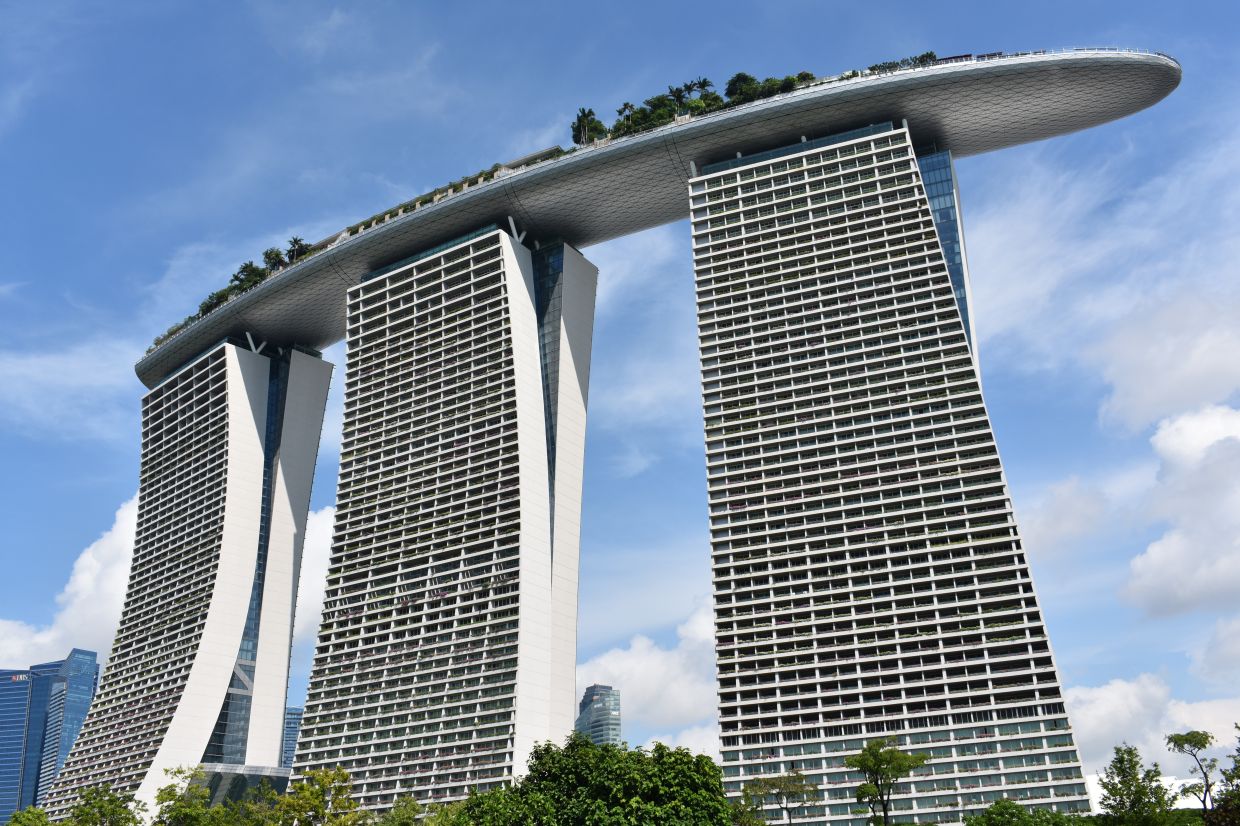
Grievances from Resorts World Sentosa's own VIP members reveal the operational challenges undermining its competitiveness. High-rollers have complained to management about what they perceive as outdated infrastructure, poor responsiveness to their feedback, and even inefficiencies in the cash-and-chip exchange process. Such complaints matter enormously in an industry where personalized service and premium experiences determine whether wealthy customers return or defect to competitors. Marina Bay Sands has deliberately cultivated a more luxurious image, offering VIP perks that include butler-service suites, tickets to theatrical productions, and dining credits at its restaurants. The integrated resort itself—one of the world's most profitable—features three 57-story hotel towers topped by an iconic boat-shaped rooftop structure, an art museum, and extensive shopping facilities.
Consultants in the gaming industry recognize the structural disadvantage facing Resorts World Sentosa. Zheng Feng Chee, a consumer analyst at DBS Group Holdings, describes the regulatory pressure as "a soft threat" designed to encourage improved performance. However, he notes that few casino operators possess the financial capacity to acquire and revitalize a struggling property of this scale. Ben Lee, managing partner of IGamiX consulting firm in Macau, offers a blunter assessment: Resorts World Sentosa is "losing the battle" and will continue shedding market share because it simply cannot match the "luxuriate experience" that Marina Bay Sands provides—the decisive factor for high-value customers. Vitaly Umansky, senior analyst at Seaport Research Partners, echoes this view, noting that Marina Bay Sands has successfully elevated its property's premium positioning and appeal, while Resorts World faces substantial challenges in recovering lost market share.
Singapore's casino model has always depended heavily on foreign visitors. Since Resorts World Sentosa opened in early 2010 and Marina Bay Sands launched shortly afterward, the industry has relied on international clientele. Singaporean citizens and permanent residents face a S$150 (US$117.19) daily entry fee to gamble at either venue, while tourists enter free with a valid passport. This structure inherently favors attracting wealthy foreign players, particularly from China, where visa-free access to Singapore has made it an accessible luxury destination. The psychological draw of Singapore as a private gambling alternative to Macau has proven exceptionally powerful.
Operator Genting Singapore Ltd., which is majority-owned by Malaysian leisure, real estate, and hospitality conglomerate Genting Group, has publicly expressed confidence in its prospects. In April 2026, the company stated it had "maintained close engagement" with regulatory authorities and positioned itself as "well positioned for the next assessment cycle." A Resorts World Sentosa spokesperson added that the integrated resort has introduced new attractions and experiences over the previous eighteen months and has been "enhancing" its hospitality and gaming offerings. Management characterizes its strategic goal as positioning the property "for sustainable growth over the next decade," with "early signs of progress" described as "encouraging."
The company's broader development plans underpin this optimism. Resorts World Sentosa is currently undertaking a S$6.8 billion comprehensive revamp scheduled for completion by 2030. This transformation includes constructing an all-suite luxury hotel, expanding its oceanarium, and adding Super Nintendo World to its Universal Studios Singapore theme park. Such investments signal serious commitment to competing with Marina Bay Sands' own ambitions. Las Vegas Sands Corp. has launched an $8 billion expansion program that will introduce a 55-story hotel tower and a live entertainment arena, demonstrating that competitive pressures continue intensifying across the industry.
The recent performance of both properties offers some nuance to the stark picture of Sentosa's decline. In the second quarter of 2026, Resorts World Sentosa recovered some high-roller market share when Marina Bay Sands experienced weaker VIP revenue. The latter attributed that weakness partly to affluent customers traveling to the World Cup, their spending diverted from casinos to sporting events. Such fluctuations suggest the competition remains genuinely contested, even if longer-term trends favor the more established Marina Bay Sands brand and superior infrastructure.
For Malaysia and the broader Southeast Asian region, Singapore's casino dynamics hold particular significance. As the regional financial hub and gambling destination, Singapore's market trajectory influences competitive positioning across the entire region. Genting Group's involvement through its ownership stake in Resorts World Sentosa means Malaysian interests are directly exposed to regulatory decisions and market performance in Singapore. Moreover, the flow of regional and Chinese high-rollers through Singapore casinos carries implications for currency flows and capital movements across Southeast Asia.
The fundamental challenge facing Resorts World Sentosa is that regulatory pressure, while imposing, cannot be overcome through policy compliance alone. The shorter licensing term functions as a warning shot, but the underlying issue is competitive positioning in a high-stakes market where customer experience, premium amenities, and brand prestige determine success. As Resorts World Sentosa pursues its multi-billion-dollar transformation and regulatory assessment approaches, the outcome will depend on whether the operator can deliver the elevated experience that wealthy international gamblers increasingly expect and whether substantial capital investment can reverse market share losses accumulated over recent years.

