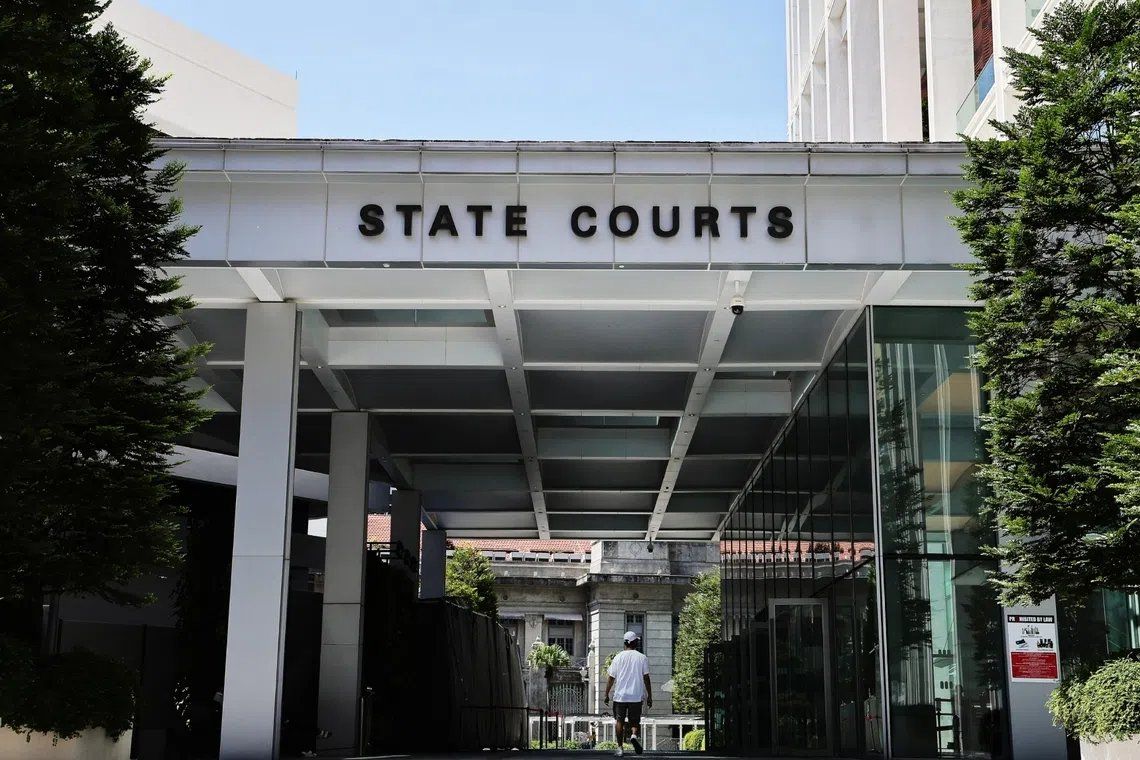
A 35-year-old Singaporean has been handed a custodial sentence for orchestrating a vicious nightclub assault in March 2021, capping a four-year legal saga that saw him evade authorities by fleeing across the Strait into Malaysia. Marcus Yeo Zhen Wei pleaded guilty on Thursday (August 27) to multiple charges including assault, committing a rash act likely to cause injury, and illegal departure from Singapore. The District Court imposed a prison term of two years and three weeks, representing a significant consequence for both the original violence and his subsequent unlawful escape from the jurisdiction.
The underlying incident unfolded around 9.30pm on March 21, 2021, at a nightclub situated on Magazine Road near Havelock Road in central Singapore's entertainment district. Yeo and three male companions, all intoxicated, initiated the confrontation by accusing other patrons of staring at them—a common pretext for bar room disputes that would escalate dramatically. In an initial show of aggression, the four men hurled glasses and bottles at the accused patrons before security personnel intervened and managed to usher them out of the establishment.
What transpired next revealed the disturbing escalation of the group's intentions. Rather than dispersing as instructed, one of Yeo's companions retrieved a baton from a parked vehicle and returned to the club entrance, while another member of the party armed himself with a knife. This premeditated return, armed with weapons, transformed a drunken altercation into a serious criminal assault. The two Vietnamese nationals who became the unfortunate targets of this violence were attacked as they exited the club, with one victim subjected to repeated baton strikes.
The severity of the physical injuries inflicted underscored the brutality of the attack. One of the Vietnamese men, aged 30, managed to escape the immediate vicinity but subsequently required treatment at Singapore General Hospital, where medical staff discovered he had sustained a collapsed lung—a potentially life-threatening injury. The extent of his trauma necessitated 21 days of medical leave, demonstrating the genuine peril posed by such unprovoked violence. His injuries served as critical evidence in establishing the severity of Yeo's culpability before the courts.
Yeo's initial arrest came swiftly on March 26, 2021, just five days after the assault, and he was remanded in custody for six days during the investigation phase. The trajectory of the case appeared standard at that juncture, with bail being granted while he awaited his court appearance scheduled for November 2021. However, rather than facing the judicial process, Yeo made the consequential decision to flee Singapore entirely, transforming himself from a defendant awaiting trial into a fugitive.
His escape route proved carefully considered. In October 2021, Yeo travelled to Pulau Ubin, a small island off Singapore's northeastern coast that serves as a convenient staging point for those seeking to depart the country without passing through official border checkpoints. From there, he arranged maritime passage to Malaysia, successfully crossing into Malaysian territory and disappearing from Singapore's legal oversight for the better part of four years. This clandestine departure constituted a separate criminal offence—illegal departure from Singapore—which would ultimately compound his legal jeopardy.
Yeo's freedom in Malaysia proved temporary and fragile. Malaysian authorities apprehended him in 2022 on drug-related charges, creating a critical intersection with Singapore's criminal justice system. The specifics of the Malaysian offence were not disclosed in court proceedings, but this detention provided Singapore's authorities the opportunity to pursue his extradition. The wheels of international legal cooperation ground forward methodically, culminating in his return to Singapore in November 2025—nearly four years after his departure and more than four years after the original assault.
Deputy Public Prosecutor Mark Chia presented the case to the court, emphasizing the grievous nature of the violence inflicted upon the Vietnamese victims. Immigration and Checkpoints Authority prosecutor Deputy Superintendent Wong Wai Yuen provided testimony regarding Yeo's flight from justice and apprehension in Malaysia. The prosecutorial narrative established not merely an instance of drunken violence but a premeditated assault by multiple perpetrators armed with weapons, followed by an act of deliberate evasion from legal accountability.
The sentencing decision reflects judicial recognition of multiple culpable elements. Beyond the assault itself, the court weighed Yeo's decision to illegally depart Singapore—an act that obstructed the judicial process and necessitated international cooperation to secure his return. The two years and three weeks' sentence incorporates punishment for assault, the rash act causing injury, and the immigration violation, bundling together the primary offence and its attendant complications.
Yeo's three companions who participated in the brawl itself were processed through the courts separately, with their cases concluded prior to his sentencing. The resolution of Yeo's matter now provides closure to a legal case that had stretched across nearly five years from incident to final judgment. The saga illustrates the increasingly interconnected nature of criminal jurisdiction in Southeast Asia, where regional cooperation and extradition arrangements can eventually track down fugitives who cross borders seeking to evade accountability. For Malaysians and observers throughout the region, the case demonstrates how neighbouring jurisdictions cooperate to enforce justice, particularly in cases involving serious violence.

