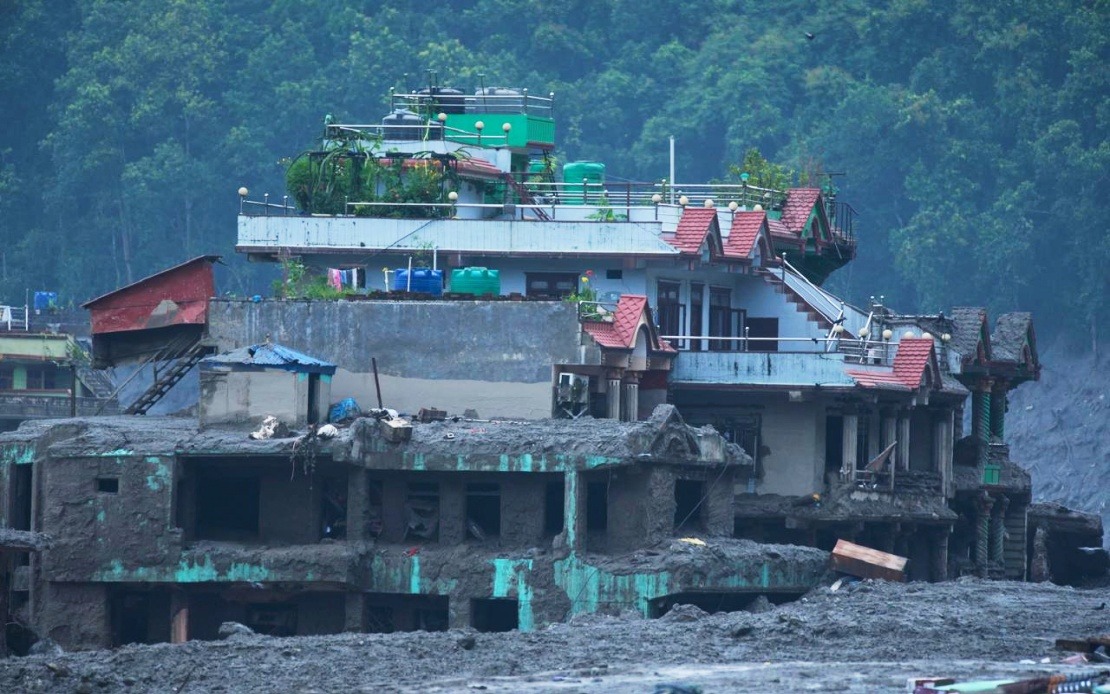
Singapore has activated its diplomatic machinery to assist its nationals caught in the devastating aftermath of flash floods that struck the remote Himalayan region near the Nepal-China border, with preliminary reports indicating that two Singaporeans are feared missing among a larger group of 47 trekkers. The natural disaster has triggered an immediate consular response from the Ministry of Foreign Affairs, which is operating in close coordination with authorities in both Nepal and China to locate and provide assistance to affected Singaporeans and their families.
Prime Minister Lawrence Wong acknowledged the severity of the situation through a public statement released on Thursday, expressing Singapore's profound sadness over the loss of life and the extensive damage caused by the flooding event. His message emphasised that the government maintains active channels of communication with next of kin of those affected whilst simultaneously liaising with rescue and emergency operations personnel on the ground. The response underscores the critical importance Singapore places on protecting its citizens abroad, particularly in remote or high-risk geographical locations where evacuation and assistance become significantly more complex.
The missing hikers represent a multinational expedition organised through Himalayan Glacier Adventures, a trekking company whose founder and chief executive, Sagar Pandey, confirmed that the group's composition extended beyond Singapore to include adventurers from Australia, Nepal, the United Kingdom, the United States and Russia. This international dimension adds layers of complexity to the rescue operation, requiring coordination between multiple governments and their respective diplomatic and emergency response services. The diversity of nationalities involved means that several foreign ministries are simultaneously engaging with Nepali and Chinese officials to secure information and facilitate rescue efforts.
The flash floods themselves represent a particularly hazardous natural phenomenon in mountainous terrain, where rapid water surges can sweep away entire hiking parties with minimal warning. The timing and location of this disaster—occurring in northern Nepal's steep valleys during what is typically a hiking season—raises questions about weather forecasting capabilities and safety protocols followed by commercial trekking operators in the region. For Malaysia and other Southeast Asian countries with significant populations undertaking adventure tourism in the Himalayas, this incident serves as a sobering reminder of the environmental risks inherent in high-altitude expeditions.
In response to the emergency, Singapore's Ministry of Foreign Affairs has issued comprehensive advisory guidance for all Singaporeans currently in Nepal. The warnings specifically identify five districts as particularly hazardous: Rasuwa, Nuwakot, Dhading, Gorkha and Chitwan. Singaporeans have been instructed to maintain heightened vigilance, actively monitor local news broadcasts and media reports, and strictly adhere to directives issued by Nepali authorities. These precautions reflect the unpredictable nature of the disaster's aftermath, with secondary risks including potential mudslides, further flooding from saturated ground conditions, and the collapse of compromised infrastructure.
The advisory further cautions against proximity to waterways, encompassing rivers, riverbanks, bridges and all low-lying geographical areas where floodwaters may accumulate or surge again. Such warnings carry particular weight given that many hiking routes in Nepal traverse river valleys and cross multiple river crossings—exactly the terrain most vulnerable to flash flood events. The emphasis on avoiding riverine environments effectively restricts access to some of Nepal's most popular trekking corridors, a measure that underscores the serious nature of the flood threat.
Beyond the direct hazards of flooding, the disaster has triggered cascading disruptions throughout the affected region's essential infrastructure. Transportation networks have suffered damage or complete severing in multiple locations, whilst telecommunications systems remain compromised, hindering communication between rescue teams and their headquarters. Water supplies, power distribution and healthcare facilities have all experienced interruptions, complicating both immediate search operations and the provision of medical care to survivors. The Ministry of Foreign Affairs cautioned that conditions remain volatile and that residents and visitors should verify local road and weather information before attempting any travel or journeys through the affected districts.
For Malaysian citizens and expatriates in Nepal, this incident carries direct relevance, as Malaysia hosts a significant community of trekking enthusiasts and adventure tourists who traverse the same Himalayan trails annually. The Singaporean experience illustrates that even well-organised commercial expeditions with experienced guides cannot guarantee protection against the raw power of environmental disasters. Malaysian authorities would be wise to issue similar advisories to their own nationals and to engage with relevant Nepali government bodies regarding safety standards and early warning systems for trekking operators.
The coordination between Singapore, Nepal and China on this matter also demonstrates how transnational humanitarian crises require seamless diplomatic cooperation across borders. Singapore's approach—prioritising the welfare of affected citizens whilst expressing solidarity with the Nepali and Chinese peoples simultaneously—sets a constructive tone for international disaster response. This collaborative model becomes increasingly important as climate change makes extreme weather events more frequent and less predictable across the Asia-Pacific region.
The situation remains fluid, with rescue operations continuing at the time of the Ministry's statement. Families of the missing Singaporeans face an agonising period of uncertainty whilst authorities conduct systematic searches through difficult terrain. The outcome of this search will likely inform discussions within Singapore and across Southeast Asia regarding safety standards for commercial trekking operations and the adequacy of insurance and emergency response protocols for adventure tourism in one of the world's most formidable mountain ranges. Until such time as the missing persons are located and accounted for, the diplomatic engagement and consular support extended by Singapore's foreign ministry represents the primary avenue through which these stranded citizens might be reached and brought to safety.

