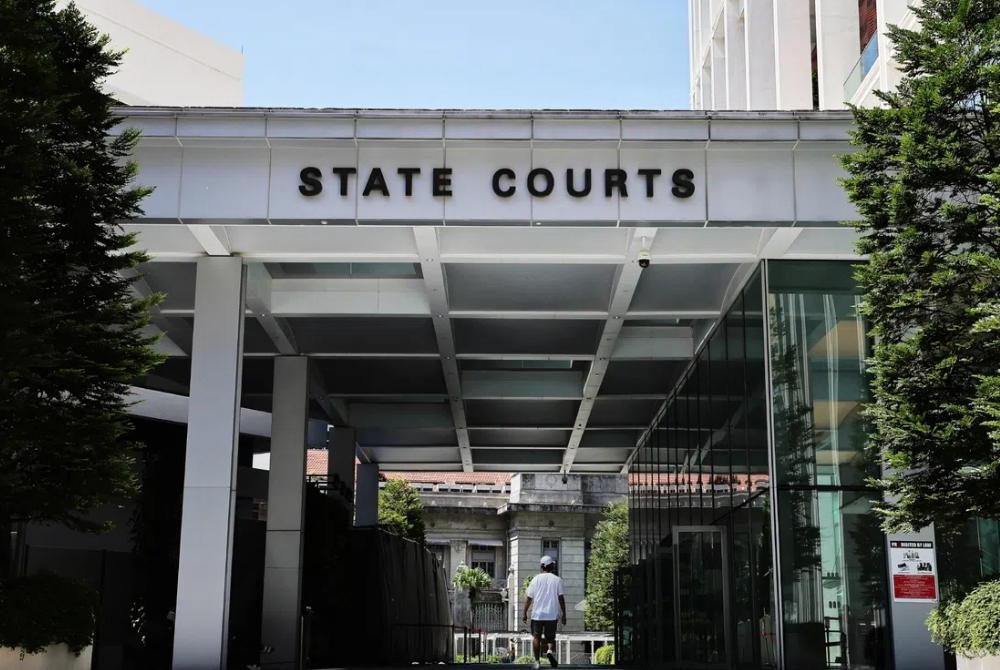
A Singapore court has handed down a sentence of nine years and 10 months' imprisonment, along with eight strokes of the cane, to a 31-year-old man who inflicted severe and prolonged abuse on primary school pupils entrusted to his care at a private educational facility. The sentencing on August 21 brings closure to a case that exposed disturbing failings in child protection at a supposedly safe learning environment, raising questions about oversight in the private education sector across Singapore and the wider region.
The convicted offender subjected multiple children, aged between six and 11 years old, to sustained physical violence and psychological torment during 2023. His methods of abuse ranged from punching and beating with a clothes hanger—an implement that fractured under the force of his strikes—to forcing children into prolonged stress positions and withholding food. One victim, a six-year-old boy from China, endured particularly severe and calculated mistreatment that courts later determined amounted to systematic torture of a vulnerable child.
The case centres on the six-year-old's ordeal, which began shortly after he arrived at the facility in January 2023. The boy was subjected to repeated punishment regimens designed to humiliate and physically exhaust him. On a single horrific occasion in March 2023, he was forced to maintain a push-up position for over 18 hours—from 3.45 in the afternoon until the following morning—while other students ate their meals normally. Throughout this extended stress position, he was punched and stomped on by the offender. Between 2 and 7 in the morning, the man placed a chair on the child's back and sat upon it, intensifying the physical strain on the boy's body.
The abuse extended beyond physical violence into deliberate humiliation designed to break the child's dignity. When the boy became thirsty during his extended punishment, the offender forced him to urinate into a basin and then compelled him to drink his own urine. Prosecutors described this as a calculated act of psychological cruelty layered atop the physical torture. The victim was confined to sleeping in a toilet, provided only bread and water for sustenance, and systematically deprived of normal childhood experiences and care.
The consequences of this mistreatment proved medically catastrophic. The boy suffered rib fractures and kidney failure severe enough to require nine days of dialysis treatment—essentially a brush with organ failure at an age when children should be developing normally and safely. According to court testimony, he was struck at least 600 times and stomped upon approximately 40 times. The district judge noted that these statistics, standing alone, capture the mechanical brutality involved. What made the situation more sinister was the offender's deliberate prevention of medical intervention; he withheld care for three days specifically because he feared police involvement, prioritizing his own legal jeopardy over a child's survival.
The man who committed these acts was employed as a manager at an educational facility run by his aunt, a private operation that provided residential accommodation for students and offered management consultancy services for international pupils. Notably, he held no formal teaching qualifications, childcare certifications, or training in child protection, yet was given direct supervisory responsibility over vulnerable children living away from their families. This employment arrangement underscores a significant vulnerability in Singapore's private education sector: the gap between institutional responsibility and individual background checks or professional standards.
Court proceedings revealed the calculated nature of the abuse. On March 10, 2023, the offender telephoned the boy's father in China seeking permission to discipline him, but described this request in deceptively neutral language without disclosing the physical violence already inflicted. Armed with implicit permission based on concealed information, the man intensified his abuse throughout that day, wielding a clothes hanger with such force that it broke during the assault, yet he continued striking the child with the splintered remains. By evening, the boy had become so physically weakened that he could no longer stand; the offender then carried him to a toilet and sprayed him with water.
When delivering the sentence, District Judge John Ng acknowledged the offender's personal history of abuse—he had an alcoholic father and a gangster older brother who physically mistreated him—but explicitly rejected these circumstances as justification. The judge stated that rather than serving as excuse, the offender's own experience as a victim should have positioned him to protect rather than harm vulnerable children who had placed their trust in him. This reasoning reflects a broader principle in child protection jurisprudence: traumatic personal history does not transfer culpability away from those who choose to perpetuate cycles of violence.
The case carries implications extending well beyond Singapore's borders. For Malaysia and other Southeast Asian nations with growing private education sectors, it underscores the importance of mandatory background screening, professional qualifications, and on-site monitoring in residential or care-based educational settings. Parents throughout the region often place children in private facilities—including boarding schools and international education programmes—based on assumptions about institutional oversight that may not reflect reality. The case demonstrates that institutional prestige or family connections do not guarantee child safety.
Prosecutors Timotheus Koh and Cheronne Lim emphasized during proceedings that the offender had exploited a position of trust to subject defenceless children to systematic violence. They highlighted how the abuse of the six-year-old specifically represented not isolated incidents but a coordinated campaign of deprivation, humiliation, and injury. The sentencing represents judicial acknowledgment that such breaches of guardianship warrant substantial custodial consequences, though questions remain about how similar abuses might be prevented in future.
The offender, whose name cannot be disclosed due to court orders protecting the children's identities, was initially ordered to defer his sentence to attend prayers, a request the judge denied. He was allowed brief contact with family members before being remanded into custody. The case concludes one chapter in an institution's accountability while raising broader systemic questions about how children in residential educational settings are monitored and protected across the region. For Malaysian parents and policymakers, it serves as a sobering reminder that safeguarding children requires more than good intentions—it demands rigorous institutional oversight, qualified personnel, and accessible reporting mechanisms.

