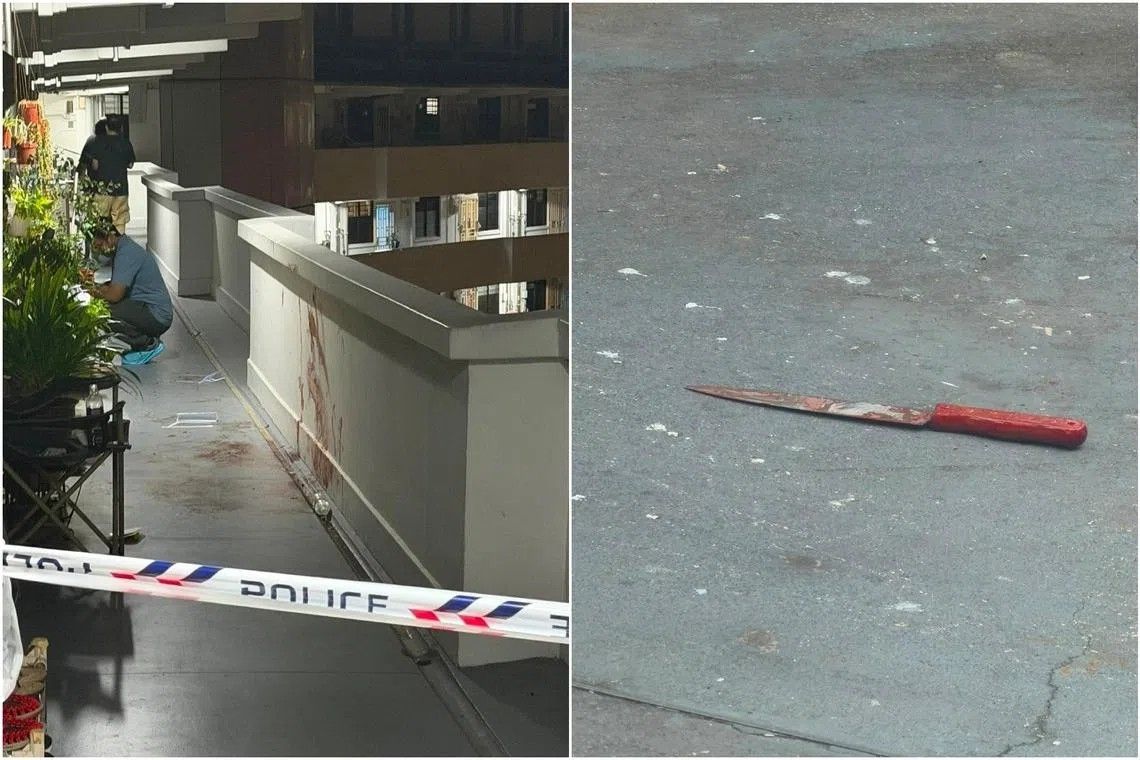
A 59-year-old man appeared before a Singapore district court via video link on July 22 to face a murder charge stemming from the death of his neighbour, Thiyagarajan Karunakaran, who was killed at Block 55 Lengkok Bahru near Redhill Road on July 20. Ng Swee Seng, the accused, stands charged with causing the death of the same-aged victim under circumstances that constitute murder, marking another serious violent crime within a residential neighbourhood in Singapore's established housing district.
Police arrived at the residential block shortly before 5pm on July 20 after receiving multiple calls reporting the incident. Officers discovered Thiyagarajan lying unresponsive in the lift lobby on the 16th floor of the block. Emergency response teams immediately transported him to the National University Hospital, but despite medical intervention, he was pronounced dead later that evening. The incident drew swift police attention given the fatal nature of the alleged attack and the residential setting in which it occurred.
When journalists visited Block 55 on July 21, the day after the fatality, visible evidence of the violent confrontation remained on display. Bloodstains and a bloodied footprint could be observed along the corridor on the 16th floor where the incident took place, providing physical indicators of the struggle that had unfolded hours earlier. Such visual evidence typically plays an important role in homicide investigations, corroborating witness accounts and establishing the sequence of events.
Accounts from residents paint a picture of two neighbours living in relative proximity within the same residential unit. One long-term resident, who has occupied the block for approximately four years, indicated that both Ng and Thiyagarajan maintained separate units several doors apart on the same floor. This proximity raises questions about the nature of any relationship or grievance that may have existed between the men, though details of what precipitated the fatal altercation have not been disclosed publicly.
The incident reflects ongoing concerns about neighbour disputes escalating into violence within Singapore's densely populated public housing estates. While inter-residential conflicts are relatively common in high-rise living environments where families share communal spaces, fatal outcomes remain comparatively rare, making such cases particularly noteworthy and concerning to residents of similar blocks across the island nation.
The murder charge represents a serious allegation under Singapore's criminal statutes, carrying potential for lengthy custodial sentences upon conviction. The judicial process will now move forward through Singapore's courts, with Ng having appeared for his initial court mention. The charge of murder in Singapore requires prosecutors to establish that the accused caused the death of another person with the intention to cause death or with knowledge that the act was so imminently dangerous that it must in all probability cause death or grievous hurt.
This case also underscores the role of emergency services and community vigilance in Singapore's residential areas. The rapid police response to the incident—occurring within hours of the emergency calls—demonstrates the activation of security protocols across public housing neighbourhoods. Residents who reported the disturbance played a crucial role in enabling authorities to respond promptly and secure the crime scene.
For Malaysian observers and those throughout Southeast Asia, the case illustrates how violent crime, while statistically uncommon, continues to occur within developed urban environments despite sophisticated policing and neighbourhood security measures. Singapore's reputation for low crime rates coexists with incidents that shake resident confidence and prompt renewed conversations about safety in residential areas.
The coming weeks will see the case progress through Singapore's legal system, with investigations ongoing into the precise circumstances that led to Thiyagarajan's death. Witnesses living in the block may be called upon to provide statements regarding what they observed or heard, potentially shedding light on the relationship between the two men and any preceding confrontations. The forensic evidence collected from the 16th-floor corridor will likely form a significant component of the prosecution's case.
Neighbour-related homicides often stem from accumulated grievances, disputes over noise, shared facilities, or personal tensions that boil over during heated confrontations. While the specific trigger in this Lengkok Bahru case remains undisclosed, such incidents typically alarm residents of residential blocks who suddenly confront the reality that deadly violence can occur within their own corridors and lift lobbies. Community safety concerns will likely persist within Block 55 as the legal proceedings unfold and residents process the tragic loss of one of their neighbours.

